
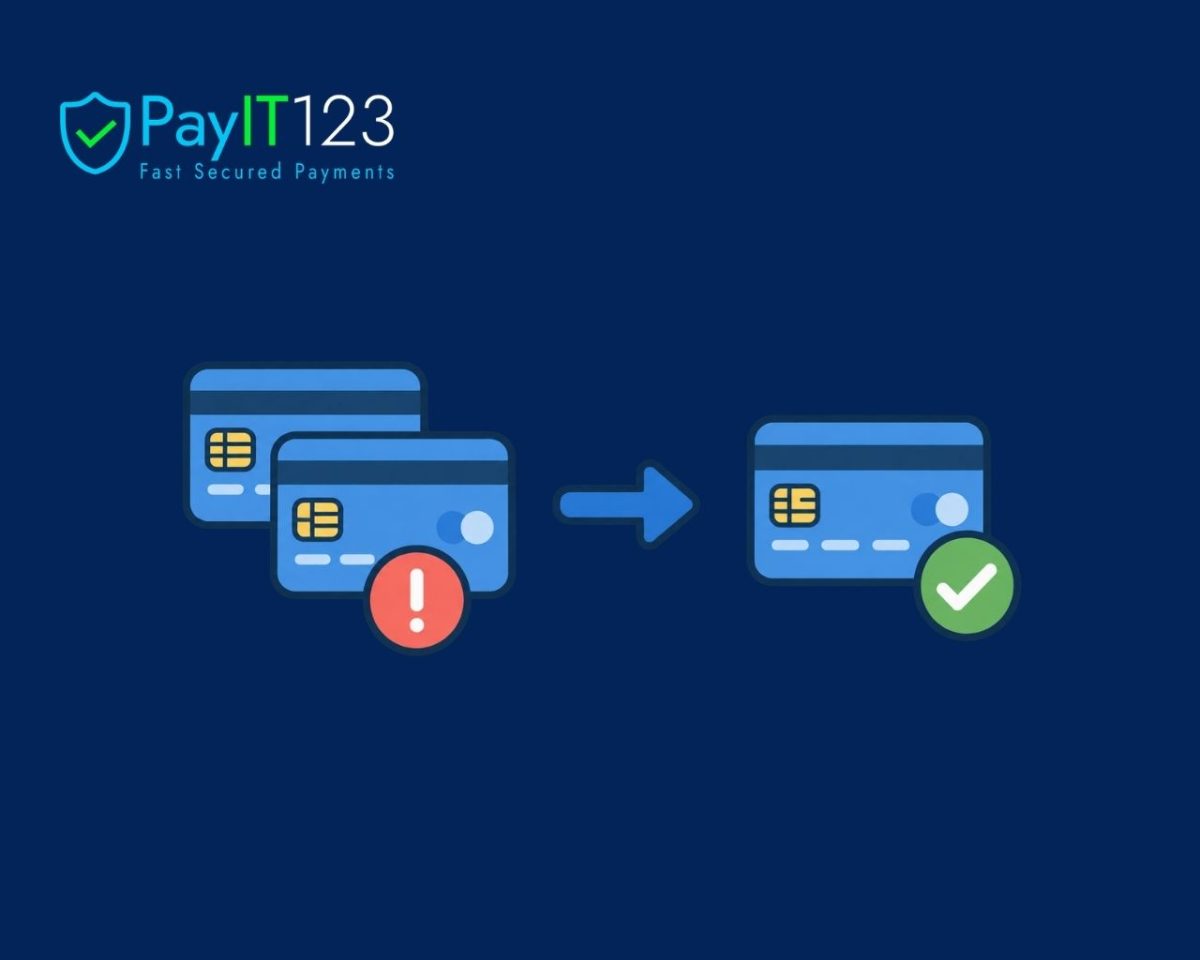
Few checkout problems irritate customers faster than seeing the same payment appear twice. One charge may be a frustrating surprise. Two charges can turn a perfectly happy customer into a person who suddenly knows exactly where the “contact support” button is.
Duplicate payments are often not caused by bad intentions or dramatic system failures. Sometimes a customer taps “Pay” twice because the page feels slow. Sometimes a weak internet connection triggers a retry. Other times, an application resends a payment request after it receives an unclear response.
That is where idempotency comes in. The term may sound like it belongs in a room full of engineers and suspiciously expensive coffee, but its purpose is simple: it helps ensure that one payment action produces one payment result, even if the request is sent more than once.
What Idempotency Actually Means
In payment processing, idempotency means that a system can receive the same request repeatedly without creating multiple charges.
For example, imagine a customer clicks “Pay,” but their connection drops before the confirmation page loads. The customer may refresh the page and try again. Without idempotency controls, the payment system could treat both requests as brand-new transactions and process both.
With an idempotency key, the merchant’s system sends a unique reference alongside the payment request. If the same request arrives again with that same key, the system recognizes it as a retry rather than a new payment attempt.
In short, idempotency is the checkout equivalent of saying, “We heard you the first time.”
Why Duplicate Payments Happen
Duplicate charges can come from several surprisingly ordinary situations:
- A customer refreshes the checkout page after a delay
- A mobile connection drops and the app retries automatically
- A server times out while the payment provider is still processing
- A payment request is replayed after a technical error
- Two systems submit the same order without sharing a common reference
The tricky part is that a merchant may not notice the issue immediately. The payment provider may show two successful transactions while the order-management system records only one order. Meanwhile, the customer notices every single line on their bank statement with remarkable speed.
Use One Reference for One Payment Intent
The strongest first step is to create a unique payment reference for every genuine purchase attempt. That reference should travel consistently between the checkout, merchant server, payment provider, and order-management system.
If a customer needs to retry the same payment, the system should reuse the original idempotency key. If the customer creates a completely new order, the system should generate a new key.
This distinction matters. Reusing the same key for unrelated payments can block valid transactions, while generating a fresh key for every retry can create duplicates. Like most things in payments, the detail is small until it is suddenly very expensive.
Design Checkout for Real Human Behavior
Technical controls are essential, but good checkout design helps too. Once a customer clicks the payment button, show a clear loading state and temporarily prevent repeat clicks.
Avoid vague messages that make people wonder whether their payment has disappeared into the digital void. If a payment is still processing, say so plainly and explain what happens next.
A smooth customer experience and strong back-end logic should work together. One prevents repeat actions; the other makes them safe if they happen anyway.
Businesses using connected payment infrastructure should also ensure their systems can track transaction status consistently. PayIT123 supports merchants with payment solutions designed to improve visibility and streamline how transactions are managed across their operations.
Build a Fast Response for Duplicate Charges
Even strong controls cannot prevent every issue. When duplicate payments occur, the response should be quick, clear, and well documented.
First, verify whether both transactions were captured or whether one remains pending. Then confirm whether the customer received duplicate goods or services. If a refund is needed, process it promptly and explain the timing clearly. Customers are usually understanding when a business acts quickly and communicates like a human being.
Keep an internal record of the cause, too. Was it a customer retry, a timeout, a system replay, or a process gap? Each answer helps prevent the same issue from returning for an unwanted sequel.
Final Thoughts
Idempotency is not glamorous, but it is one of the quiet controls that protects revenue, customer trust, and support teams from unnecessary chaos.
A well-designed payment flow should expect retries, delays, and imperfect connections because real customers use real devices in the real world. When one payment attempt results in one payment, everyone gets to move on with their day, which is exactly how checkout should feel.
#PaymentProcessing #EcommercePayments #Idempotency #DuplicateCharges #CheckoutOptimization #PaymentTechnology #PayIT123