
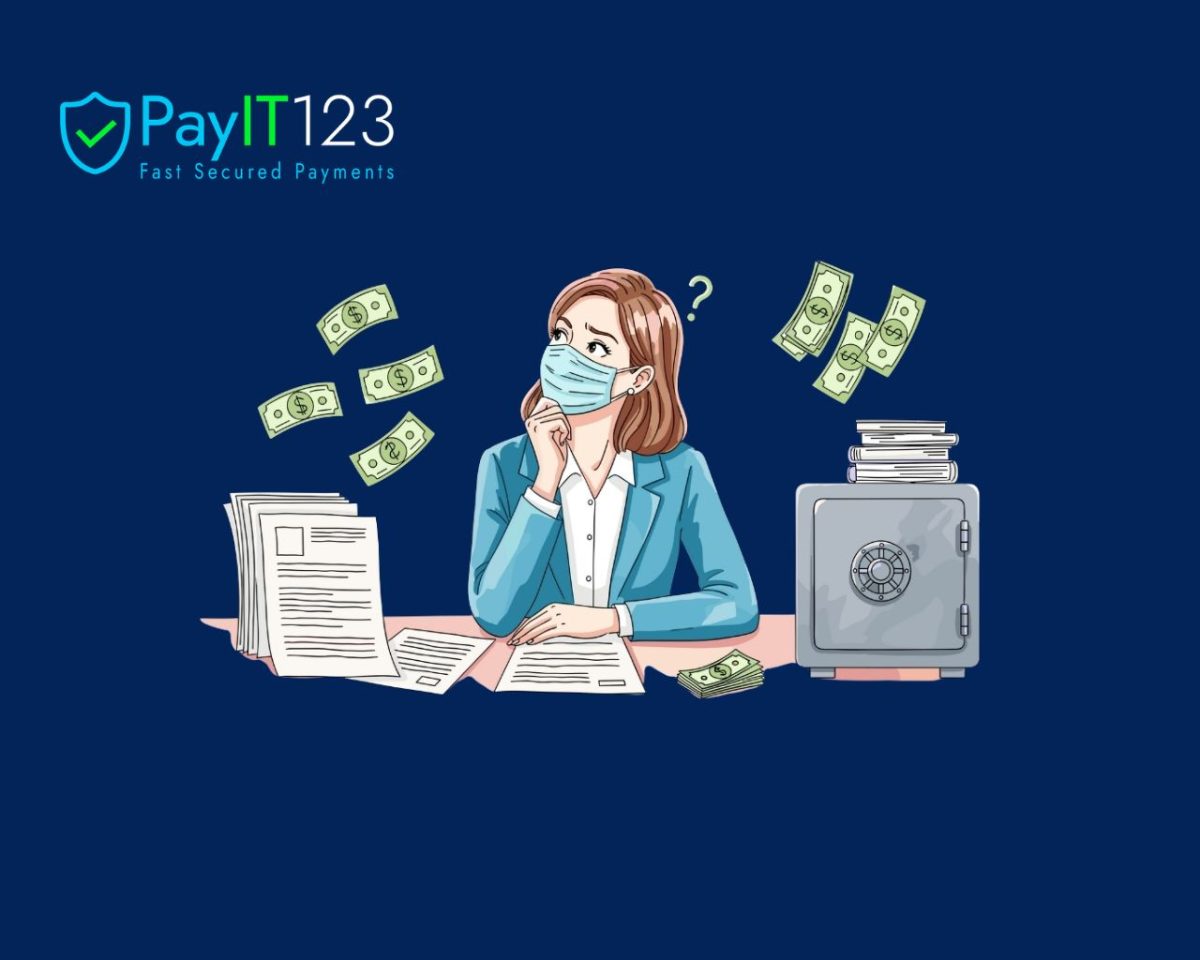
Economic uncertainty can create anxiety and stress, especially when it comes to managing your finances. Whether it’s due to inflation, job instability, or global financial disruptions, knowing how to navigate through uncertain times is crucial for maintaining financial health. While you can’t control the broader economy, there are steps you can take to protect and manage your money during challenging times. Here are some practical tips to help you stay financially secure during periods of economic uncertainty.
1. Build and Maintain an Emergency Fund
An emergency fund is your first line of defense during economic uncertainty. Having three to six months’ worth of living expenses set aside can provide a safety net if you lose your job or face unexpected expenses. If you don’t already have an emergency fund, prioritize building one by cutting unnecessary spending and putting a portion of your income into a high-yield savings account. This will give you peace of mind, knowing that you have a cushion to fall back on in case of an emergency.
2. Prioritize Debt Repayment
During times of economic instability, reducing high-interest debt should be a priority. Credit card debt, in particular, can quickly accumulate and become a significant burden. Focus on paying down high-interest debt first, such as credit cards or payday loans, as this can drain your finances over time. Consider consolidating your debt or refinancing to lower interest rates where possible. Reducing debt will provide more financial flexibility and reduce stress during uncertain times.
3. Track and Cut Non-Essential Expenses
It’s crucial to assess your spending and cut back on non-essential expenses when the economy is unpredictable. Start by tracking your expenses and identifying areas where you can reduce costs. This might include limiting dining out, subscriptions, or impulse purchases. By trimming unnecessary expenses, you can increase savings or allocate funds toward more pressing financial needs.
4. Diversify Your Investments
Investing in uncertain times requires a careful approach. Consider diversifying your investments to spread risk across various asset classes. A well-diversified portfolio, including stocks, bonds, and real estate, can help protect your wealth against market volatility. If you are unsure about where to allocate your money, consulting with a financial advisor can help you make informed decisions tailored to your financial goals and risk tolerance.
5. Plan for the Long-Term
While short-term uncertainty can be daunting, it’s essential to keep your focus on the long-term. Avoid making rash decisions based on short-term market fluctuations. Instead, stick to a long-term financial plan and review it regularly. A steady, well-thought-out strategy will help you stay on track despite economic disruptions and position you for future success.
Economic uncertainty can be overwhelming, but with careful planning, budgeting, and strategic financial management, you can protect your finances and weather the storm. By building an emergency fund, paying down debt, reducing unnecessary expenses, diversifying investments, and sticking to a long-term plan, you can ensure your financial security even in uncertain times.
#FinancialPlanning #EconomicUncertainty #MoneyManagement #PersonalFinance #EmergencyFund #DebtRepayment #InvestmentStrategy