
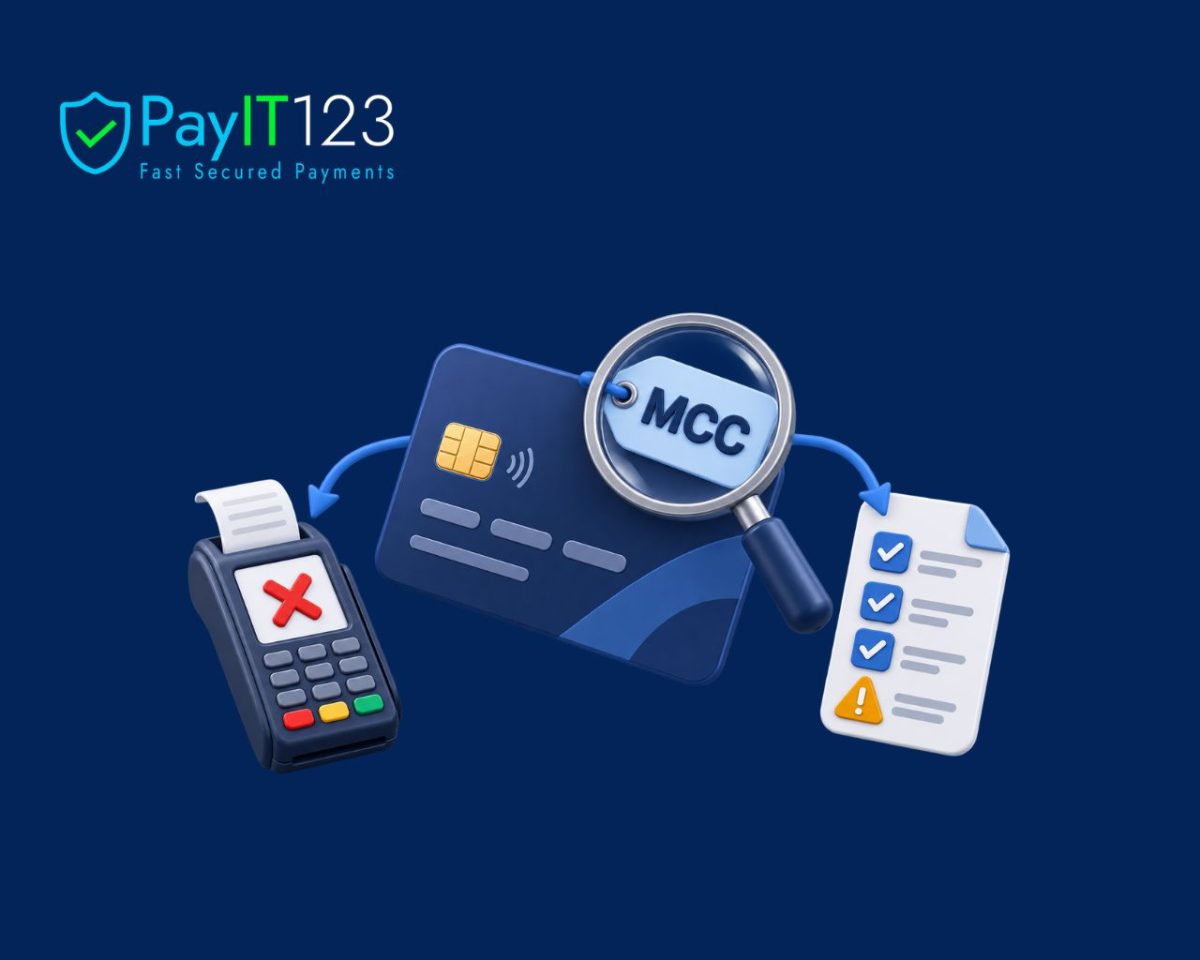
A business may have a reliable website, legitimate customers and sufficient payment controls but still experience unexpected card declines or additional reviews from its payment provider.
The explanation is not always visible at checkout. Behind every card transaction is a merchant category code, commonly known as an MCC, which identifies the main type of goods or services the merchant provides.
This short numerical code can influence how card networks, issuers and payment providers interpret a transaction. When the classification is inaccurate or no longer reflects the business, it may create payment problems that are difficult to diagnose.
Understand What an MCC Represents
An MCC is assigned when a merchant begins accepting card payments. It places the business within a recognised activity category, such as accommodation, professional services, digital goods or retail.
The code helps payment participants understand the commercial context of each transaction. It may affect risk assessment, cardholder rewards, regulatory treatment and the processing rules applied to particular business activities.
Merchants usually cannot choose whichever code appears most favourable. The classification should accurately reflect the business’s principal activity and the information supplied during onboarding.
Recognise How Businesses Outgrow Their Original Code
A company’s activities can change after its merchant account is established. A retailer may add subscriptions, a software provider may introduce financial services or a marketplace may begin processing payments for third-party sellers.
If the payment provider is not informed, the original MCC may remain in place even though it no longer describes the business accurately. Problems can also occur when a merchant operates several distinct business models through one payment account.
Understand the Connection to Declines
Card issuers and payment providers use several signals when deciding whether a transaction should proceed. An MCC that appears inconsistent with the customer’s behaviour, transaction description or risk profile may contribute to additional scrutiny.
Some cards also restrict purchases within particular categories. Corporate cards, prepaid products or cards issued to younger customers may block certain merchant activities automatically. A valid transaction can therefore be declined because of the category attached to the merchant rather than a lack of funds.
Expect Greater Scrutiny in Certain Sectors
Some activities are associated with higher chargeback levels, regulatory obligations or card-network restrictions. Merchants in these sectors may face more detailed onboarding, additional monitoring or different processing conditions.
A payment partner such as PayIT123 can help businesses explore payment-processing options suited to their industry and operating model. Merchants must still describe their activities fully and disclose meaningful changes as the business develops.
Trying to obtain a less restrictive classification by giving incomplete information can create serious consequences, including delayed settlements or termination of processing services.
Check Whether the Code Matches Reality
Businesses should review their MCC when entering a new market, launching a materially different product or changing how customers are charged. The code may be visible on processing statements, although the merchant may need to confirm it directly with the payment provider.
The review should compare the assigned category with the company’s website, contracts, marketing materials and actual transaction activity. Consistency across these sources helps prevent confusion during monitoring or compliance reviews.
Investigate Patterns Instead of Guessing
A high decline rate should be analysed by issuer country, card type, transaction value and payment channel. If declines are concentrated among particular cards or customers, the MCC may be one factor worth examining.
However, changing the code will not solve problems caused by fraud controls, technical errors or poor payment routing. Merchants should investigate the complete transaction data before reaching a conclusion.
Keep Payment Information Current
An MCC is easy to overlook because customers rarely see it, but it forms part of the information surrounding every card transaction. An inaccurate classification can create friction, attract unnecessary reviews and hide the true reason behind some declines.
By keeping payment providers informed and reviewing classifications as the business evolves, merchants can reduce avoidable disruption and ensure their payment setup continues to reflect what they actually do.
#MerchantCategoryCode #MCC #CardPayments #PaymentDeclines #MerchantServices #PaymentRisk #Fintech #PayIT123