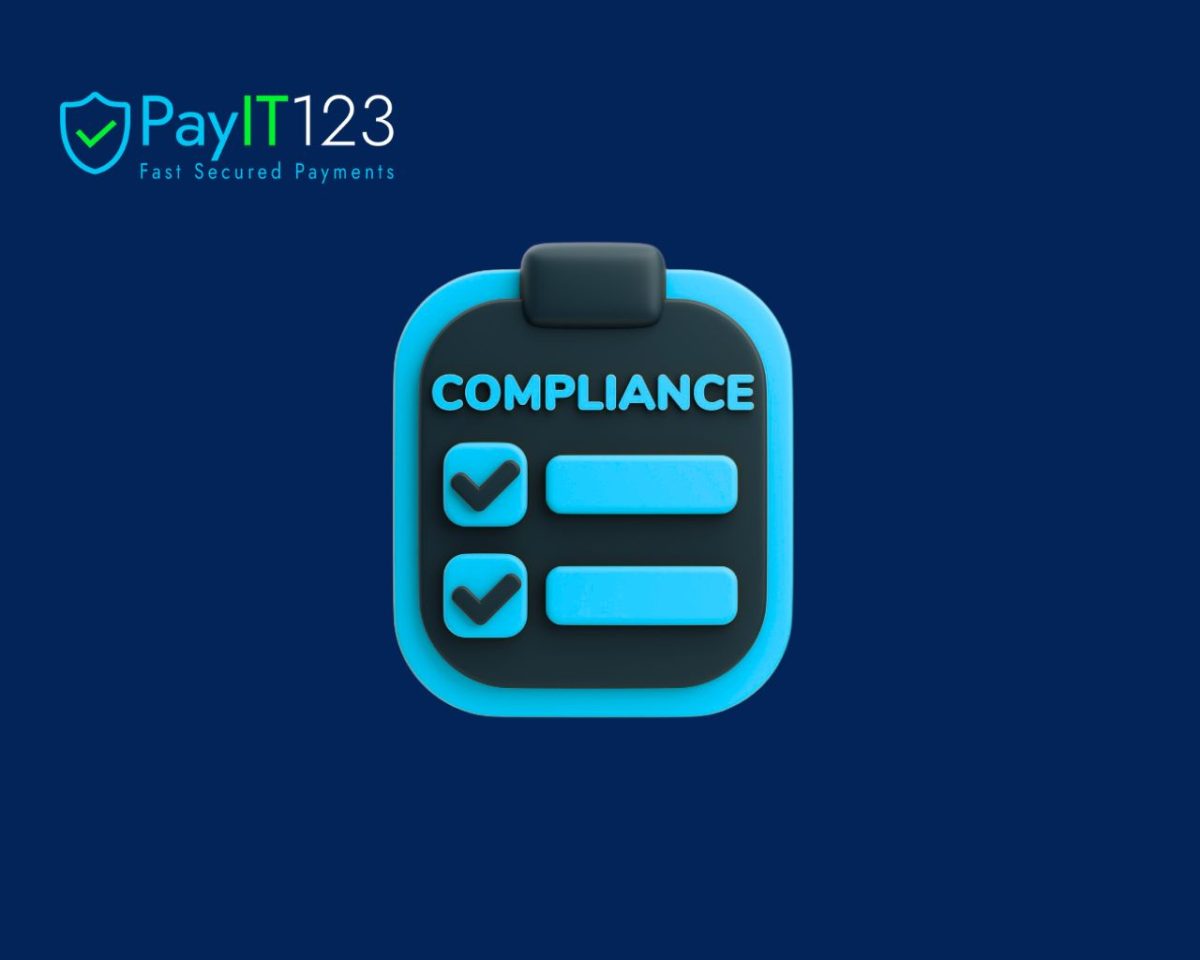
Navigating the Compliance Landscape for Card Issuance and Processing

Introduction
The card issuance and processing industry is highly regulated, with strict compliance requirements designed to protect consumer data, maintain financial stability, and prevent fraud. As the financial technology landscape evolves, navigating the complex web of regulatory standards and compliance guidelines becomes crucial for card issuers and processors. Understanding these requirements and ensuring adherence is key to maintaining business operations, safeguarding customer trust, and avoiding costly penalties. Here’s an overview of the essential card issuance and considerations for processing compliance.

  1. PCI DSS Compliance
    One of the most critical compliance frameworks in the card issuance and processing industry is the Payment Card Industry Data Security Standard (PCI DSS). This set of security standards ensures that all companies handling cardholder data maintain secure systems and processes to prevent breaches.
    Card issuers and processors must adhere to PCI DSS requirements, which include encrypting cardholder data, implementing strong access controls, and maintaining a secure network. Regular audits are essential to ensure compliance with these standards. Failure to comply with PCI DSS can result in significant fines, reputational damage, and even the loss of the ability to process payments.
  2. Anti-Money Laundering (AML) Regulations
    Anti-money laundering (AML) regulations are designed to prevent financial crimes, including money laundering and terrorist financing. Card issuers and processors must establish effective Know Your Customer (KYC) processes, which involve verifying customers’ identities before issuing cards.
    AML regulations also require issuers to monitor transactions for suspicious activity and report large or unusual transactions to authorities. Non-compliance with AML regulations can result in severe penalties, including criminal charges, fines, and a loss of business operations.
  3. Consumer Protection Laws
    Card issuers and processors must comply with consumer protection laws that aim to safeguard consumers’ rights in financial transactions. For example, in the United States, the Truth in Lending Act (TILA) and the Fair Credit Billing Act (FCBA) set standards for credit card companies, requiring clear disclosure of terms and conditions, interest rates, and fees. These laws also protect consumers in cases of fraudulent charges.
    In the European Union, regulations such as the Payment Services Directive 2 (PSD2) provide additional protections, including strong customer authentication (SCA) for online payments. Ensuring compliance with consumer protection laws is vital for maintaining transparency, trust, and customer loyalty.
  4. Data Privacy Regulations
    Data privacy is another key area of compliance for card issuers and processors. The EU’s General Data Protection Regulation (GDPR) and similar laws impose strict requirements on how personal data is collected, stored, and processed.
    Issuers must ensure that cardholder data is stored securely, consent is obtained for data collection, and consumers have the right to request the deletion of their data. Breaching data privacy regulations can result in heavy fines and a significant loss of customer confidence.
  5. Cross-Border Compliance Challenges
    Compliance can become even more complex due to regulatory differences for card issuers and processors operating in multiple countries. Each country has its own set of rules, ranging from data protection laws to consumer rights and fraud prevention measures. Navigating these cross-border compliance challenges requires thoroughly understanding local regulations and working closely with legal and compliance teams in each market.

    Conclusion
    Navigating the compliance landscape for card issuance and processing requires a comprehensive understanding of PCI DSS, AML regulations, consumer protection laws, data privacy standards, and the complexities of cross-border compliance. By staying informed and adhering to these requirements, card issuers and processors can ensure secure, legal, and efficient operations while protecting their business and customers. A proactive approach to compliance reduces the risk of penalties and helps build trust and loyalty in an increasingly competitive market.

#CardIssuance #Compliance #PCI #AML #DataPrivacy #ConsumerProtection #FinancialRegulations #CardProcessing #ComplianceManagement #PaymentSecurity

How to Implement a Successful Card Issuance Program

Introduction
A well-executed card issuance program is essential for any financial institution or business looking to provide customers with convenient and secure access to their accounts. Whether you are issuing credit cards, debit cards, or prepaid cards, the process must be seamless, safe, and tailored to meet customer needs. Implementing a successful card issuance program involves careful planning, adherence to regulatory standards, and effective customer engagement strategies. Here’s a guide on how to build a successful card issuance program.

  1. Define Your Program’s Objectives
    Before diving into the technical aspects of card issuance, clearly define your program’s objectives. What are you aiming to achieve with this card program? For instance, are you looking to enhance customer loyalty, offer more convenient payment options, or drive additional revenue streams through fees or interest charges? Defining your goals upfront will help shape your strategy, from card type and features to marketing and distribution.
    Consider whether the program will be for personal use, business accounts, or targeted toward a specific demographic. This clarity will guide decisions around card designs, incentives, and reward systems.
  2. Choose the Right Card Type and Features
    The next step is selecting the correct type of card for your customers. Options include credit, debit, prepaid cards, and even virtual cards. Consider your target audience’s needs and preferences:
    Credit cards: Offer lines of credit, often with rewards, cashback, or interest.
    Debit cards: Directly linked to a customer’s bank account, offering instant access to funds.
    Prepaid cards: Preloaded with funds, often used for budgeting or as gift cards.
    Virtual cards: Digital cards for secure online payments.
    Once you’ve chosen the card type, decide on the features it will offer. For example, will it include contactless payments, reward programs, or customized spending limits? Determine the most essential features for your customers to increase adoption and satisfaction.
  3. Ensure Security and Compliance
    Security and regulatory compliance are paramount when issuing cards. The Payment Card Industry Data Security Standard (PCI DSS) provides guidelines to safeguard customer data, ensuring that personal and financial information remains protected.
    Implementing multi-factor authentication (MFA) and chip technology for physical cards also helps prevent fraud and protects customers’ financial assets. Ensure that your program complies with AML (Anti-Money Laundering) and KYC (Know Your Customer) regulations to avoid legal risks and ensure the safety of your transactions.
  4. Leverage Technology for Seamless Card Distribution
    Invest in automated card issuance software that can streamline the process of creating cards, personalizing them for customers, and securely delivering them. Integration with your core banking system allows efficient account linking, activation, and real-time tracking.
    Digital card distribution (e.g., via mobile apps or online portals) also allows faster access, reducing physical shipping times and giving customers immediate access to their funds.
  5. Market Your Card Program Effectively
    A successful card issuance program requires solid marketing efforts. To encourage sign-ups, promote the card’s benefits, such as rewards, convenience, or exclusive offers. Use social media, email campaigns, and targeted ads to reach potential customers. Offering sign-up bonuses or introductory offers can incentivize new customers to apply for the card.
    Additionally, ensure that your customer support is well-equipped to assist with any questions or issues related to card use, activation, or troubleshooting.
  6. Monitor and Optimize the Program
    Once your card issuance program is launched, continuously monitor its performance. Track key metrics such as adoption rates, card usage, and customer satisfaction. Use this data to identify areas for improvement, whether it’s adjusting the reward system, enhancing the user experience, or expanding card offerings.
    Regular customer feedback can help fine-tune the program and make it more appealing to new users, ensuring long-term success.
    Conclusion
    Implementing a successful card issuance program requires a strategic approach, from defining clear objectives to selecting the right card type, ensuring security, and offering valuable features to customers. By integrating technology, maintaining compliance, and focusing on customer engagement, you can create a program that not only meets your customers’ needs but also drives business growth. With continuous monitoring and optimization, your card issuance program can become a powerful tool for customer retention and financial success.

#CardIssuance #PaymentSolutions #FinancialServices #CustomerExperience #CardProgram #BankingInnovation #Compliance #DigitalBanking #CardSecurity #FinTech

Tips for Optimizing Payment Systems for International Customers

Introduction
As businesses expand globally, offering seamless and efficient payment systems for international customers is essential for success. Managing international payments can be complex with diverse currencies, regulations, and preferences. However, optimizing your payment system for global customers can enhance user experience, reduce friction, and drive higher conversion rates. Here are some key tips for optimizing payment systems for international customers.

  1. Support Multiple Currencies
    One of the primary challenges of international payment processing is handling multiple currencies. Ensure your payment system supports various currencies to cater to customers from different regions. This allows customers to pay in their preferred currency, providing a more personalized and streamlined experience. Payment gateways like PayPal, Stripe, and Square offer multi-currency support, which can help eliminate currency conversion fees and simplify transactions for your global clientele.
  2. Offer Local Payment Methods
    Different countries have different payment preferences. While credit and debit cards are standard, certain regions prefer alternative payment methods like Alipay in China, iDEAL in the Netherlands, or UPI in India. Research your target markets to understand popular payment methods and integrate them into your system. Providing local payment options improves convenience and boosts customer trust by offering payment methods they are familiar with.
  3. Implement Seamless Currency Conversion
    In addition to multi-currency support, ensure that your payment system allows easy and transparent currency conversion. If customers must pay in a different currency, they should see the exchange rate and any fees upfront. This reduces the chance of unexpected charges and increases customer satisfaction. Tools like Wise or Revolut can help integrate efficient and fair currency conversion rates into your payment platform.
  4. Ensure Compliance with Local Regulations
    Each country has payment processing regulations, particularly regarding fraud prevention, taxes, and data security. For instance, the GDPR in the European Union or the PCI DSS’s global standards must be adhered to when handling international payments. Ensure your payment system complies with local laws to avoid legal issues, penalties, and data breaches. Partnering with payment processors that handle compliance, such as Adyen or Stripe, can simplify this process.
  5. Optimize for Mobile Payments
    Many international customers use mobile payment solutions, especially in Asia and Africa. Ensure your mobile-friendly payment system integrates with popular mobile payment methods such as Apple Pay, Google Pay, or regional mobile wallets. A mobile-optimized payment experience boosts convenience and encourages more customers to complete their purchases.
  6. Provide Transparent fees
    Clear communication about fees, taxes, and delivery charges is crucial in international transactions. Ensure customers know any additional costs related to their purchases before they check out. Transparency in pricing reduces cart abandonment and enhances customer trust.
    Conclusion
    Optimizing your payment system for international customers involves offering multiple currency options, local payment methods, seamless currency conversion, and adhering to local compliance standards. By focusing on these areas, businesses can provide a smooth, secure, and convenient experience for global customers, ultimately driving higher satisfaction and increasing conversions.

#InternationalPayments #PaymentSystems #Ecommerce #GlobalBusiness #CustomerExperience #PaymentOptimization #MobilePayments

The Evolution of Payment Processing Technologies

Introduction
Payment processing has advanced dramatically since the days of cash and checks. Technological advancements have drastically transformed how payments are made, offering businesses and consumers faster, safer, and more efficient transaction methods. Let’s explore the evolution of payment processing technologies and how they’ve shaped modern commerce.

  1. The Rise of Credit Cards
    The introduction of credit cards in the 1950s marked a significant shift in payment processing. Before this, most transactions were cash-based, and checks were often used for larger purchases. The first major credit card, Diners Club, allowed customers to pay for goods and services on credit. In the following decades, major banks and financial institutions like Visa and Mastercard introduced standardized credit card systems, paving the way for digital payment solutions.
    Credit card processing became the norm, and businesses began relying on Point-of-Sale (POS) systems to facilitate card payments. These early systems relied on magnetic stripe technology, which was later replaced by more secure chip-and-PIN technology, improving transaction security.
  2. The Introduction of Online Payments
    The 1990s and early 2000s saw the internet revolutionize payment processing. With the rise of e-commerce platforms like Amazon and eBay, businesses needed an online payment solution to process credit card transactions. PayPal emerged as one of the first and most popular digital wallets, allowing users to make secure online transactions without directly sharing credit card details with merchants.
    As e-commerce boomed, various payment processors like Stripe, Square, and Adyen were introduced. These platforms made it easier for small businesses to accept payments online and manage transaction data. These platforms also offered fraud protection and helped build customer confidence in online shopping.
  3. Mobile Payments and Wallets
    Introducing smartphones and mobile apps brought about the rise of mobile payment solutions. Services like Apple Pay, Google Pay, and Samsung Pay enable customers to store credit card information securely on their mobile devices and make contactless payments at physical stores or online. Near-field communication (NFC) technology became a key player in this transition, allowing consumers to make payments simply by tapping their phones at compatible terminals.
    Mobile wallets and payment solutions also make it easier for users to manage multiple payment methods, track transactions, and access loyalty rewards—all from a single app.
  4. The Future: Blockchain and Cryptocurrency
    Looking to the future, blockchain technology and cryptocurrencies like Bitcoin and Ethereum are set to disrupt payment processing further. Cryptocurrencies offer a decentralized, peer-to-peer transaction system that could eliminate the need for intermediaries such as banks, reducing fees and transaction times. While still in the early stages of adoption, blockchain’s transparency, security, and efficiency hold immense potential for reshaping the payment landscape.
    Conclusion
    From credit cards to mobile wallets and blockchain, payment processing technologies have evolved to meet the changing needs of businesses and consumers. As innovations continue to emerge, the future of payment processing promises even more secure, seamless, and efficient ways to transact, further transforming the global economy.

PaymentProcessing #Fintech #Ecommerce #MobilePayments #Blockchain #Cryptocurrency #DigitalPayments

Why Compliance is Key to Successful Payment Processing

Introduction
In today’s digital world, payment processing is a cornerstone of every business, from small startups to large enterprises. While ensuring smooth transactions is important, compliance plays an equally crucial role in the success of payment processing. Regulatory compliance ensures that businesses adhere to established standards for data security, fraud prevention, and operational integrity. Failing to meet compliance requirements can lead to severe financial penalties, reputational damage, and loss of customer trust. Here’s why compliance is key to successful payment processing.

  1. Data Security and Protection
    One of the most critical aspects of payment processing is protecting sensitive customer data. Compliance with standards like the Payment Card Industry Data Security Standard (PCI DSS) ensures businesses implement the necessary security measures to protect payment card information. This includes encrypting payment data, maintaining secure networks, and regularly testing systems for vulnerabilities. Compliance minimizes the risk of data breaches and fraud, which can be costly for businesses and disastrous for customer relationships.
  2. Mitigating Risk and Preventing Fraud
    Payment fraud is a significant concern for businesses, especially as cyber threats evolve. Companies can implement robust fraud prevention measures by adhering to compliance standards, such as tokenization and multi-factor authentication (MFA). Compliance with regulations also ensures businesses monitor and flag suspicious activities, preventing unauthorized transactions. Maintaining a strong compliance posture helps reduce the risk of fraud, protecting the business and its customers.
  3. Building Customer Trust
    Customers are becoming increasingly aware of the importance of payment security and privacy. Businesses that comply with industry standards and regulations value customer safety and are committed to maintaining secure payment processes. This builds trust and enhances customer satisfaction, leading to greater loyalty and long-term business relationships. Conversely, non-compliance can raise concerns about data security, leading to customer reluctance to engage in transactions.
  4. Avoiding Legal Penalties and Fines
    Non-compliance with payment processing regulations can result in hefty fines and legal penalties. Regulatory bodies, such as the Federal Trade Commission (FTC) and local financial authorities, enforce strict rules for businesses that process payments. Failure to meet these standards can lead to fines, sanctions, or even business closures in extreme cases. Staying compliant protects businesses from financial penalties and maintains operational continuity.
  5. Ensuring Smooth Operations
    Compliance also promotes streamlined, consistent payment operations. It provides businesses with clear guidelines and best practices for processing payments, ensuring that every transaction is handled securely and efficiently. This reduces operational errors and improves the overall customer experience.
    Conclusion
    In payment processing, compliance is not just a regulatory requirement—it’s essential for business success. Businesses prioritize compliance to ensure data security, mitigate fraud risk, build customer trust, avoid penalties, and streamline operations. A commitment to compliance is a commitment to a safe, reliable, and successful payment process.

PaymentProcessing #Compliance #DataSecurity #BusinessSuccess #FraudPrevention #CustomerTrust #PCICompliance

Top Payment Processing Mistakes and How to Avoid Them

Introduction
In today’s digital economy, seamless payment processing is crucial for maintaining customer satisfaction and ensuring smooth business operations. However, many businesses make common mistakes that can lead to delays, chargebacks, and lost revenue. Understanding these pitfalls and taking proactive steps to avoid them is key to keeping your payment systems efficient, secure, and customer-friendly. Here are some top payment processing mistakes and how to avoid them.

  1. Not Using a Secure Payment Gateway
    A business’s most critical mistake is failing to use a secure payment gateway. Processing payments without encryption or proper security protocols puts customer data at risk and increases the likelihood of fraud. To avoid this, always choose a payment processor that complies with Payment Card Industry Data Security Standard (PCI DSS) requirements and offers end-to-end encryption for every transaction.
  2. Ignoring Mobile Payment Compatibility
    With the rise of mobile payments, ensuring that your payment system is compatible with popular mobile wallets like Apple Pay, Google Pay, and Samsung Pay is essential. Failing to accommodate these payment methods means missing out on many potential customers. Ensure your payment processor supports mobile wallets and provides a smooth, frictionless payment experience for mobile users.
  3. Lack of Transparency in Fees
    Hidden fees can be a significant headache for businesses and customers alike. Many merchants are unaware of the various fees associated with payment processing, such as transaction fees, setup fees, and chargeback fees. To avoid this mistake, choose a payment provider with clear, transparent pricing and make sure you understand all potential costs upfront.
  4. Not Testing Your Payment System Regularly
    Another common mistake is neglecting the regular testing of your payment processing system. System outages or glitches can lead to lost sales and frustrated customers. Ensure your payment gateway is operational by running regular tests and monitoring performance. This helps identify issues early and ensures smooth transactions at all times.
  5. Failing to Comply with Local Regulations
    Payment processing regulations can vary by country or region. Failing to adhere to local laws, such as sales tax or consumer protection regulations, can result in legal issues or fines. Make sure your payment system is compliant with the relevant legal requirements in the jurisdictions in which you operate.
    Conclusion
    Payment processing is a crucial aspect of any business, and avoiding these common mistakes can save you time, money, and customer trust. By prioritizing security, mobile compatibility, transparency, regular testing, and compliance, you can streamline your payment systems and enhance the overall customer experience.

PaymentProcessing #BusinessTips #CustomerExperience #PaymentSecurity #DigitalPayments #Ecommerce

Why Instant Payments Are the Future of E-Commerce

Introduction
In today’s fast-paced digital economy, consumer expectations are evolving. Customers demand faster, more efficient services, and the speed of transactions is no exception. Instant payments—processed and settled in real time—quickly become critical to the e-commerce experience. As e-commerce continues to grow, here’s why instant payments are set to revolutionize how businesses and consumers interact online.

  1. Enhanced Customer Experience
    One of the primary benefits of instant payments is the immediate satisfaction they provide customers. In traditional payment processing, there can be delays of several hours or even days for payments to be settled. With instant payments, customers can complete their purchases and see their transactions reflected in real time. This instant gratification enhances the customer experience, as it eliminates waiting periods and makes online shopping feel as seamless and quick as in-store purchases.
  2. Reduced Cart Abandonment
    Cart abandonment is a common challenge for online retailers, with customers often leaving their shopping carts before completing the purchase. One of the leading causes of abandonment is lengthy payment processing times, mainly when delays or errors occur. By offering instant payments, businesses can streamline the checkout process, reduce friction, and minimize the chances of customers abandoning their carts. When transactions are processed immediately, customers are more likely to complete their purchases and feel confident about their transactions.
  3. Faster Cash Flow for Businesses
    Instant payments benefit businesses by accelerating cash flow. Traditional payment processing can take several days to settle, when the business might be waiting for funds. With instant payments, funds are settled and available almost immediately, allowing businesses to access their money faster and improve liquidity. This is especially beneficial for small businesses that need quick access to funds for inventory management, payroll, or other operational costs.
  4. Fraud Prevention and Security
    Instant payment solutions often incorporate advanced security measures such as encryption and biometric verification, reducing the risk of fraud. Real-time monitoring and authentication also help detect and prevent fraudulent transactions more quickly, offering businesses and consumers greater peace of mind. The instant nature of these payments allows for faster identification of suspicious activity, ensuring that any fraudulent transactions are flagged and dealt with immediately.
  5. Global Expansion Opportunities
    For e-commerce businesses looking to expand globally, instant payments open up new opportunities. With international instant payment systems, companies can accept customer payments in different countries without the delays or high fees associated with traditional cross-border payments. This enhances global competitiveness and makes it easier to serve international customers.
    Conclusion
    Instant payments are poised to become a cornerstone of the e-commerce industry. By improving customer satisfaction, reducing cart abandonment, speeding up cash flow, enhancing security, and enabling global reach, they offer significant advantages for both businesses and consumers. As more companies adopt this technology, instant payments will continue to reshape the e-commerce landscape, driving faster, more efficient transactions.

InstantPayments #Ecommerce #DigitalPayments #OnlineShopping #Fintech #CustomerExperience #PaymentProcessing

How to Scale Your Payment Solutions as Your Business Grows

Introduction
As your business expands, so do the demands of your payment processing systems. Scaling your payment solutions to handle increasing transactions, new customer segments, and global markets is essential for maintaining efficiency and providing a seamless customer experience. Here are key strategies to ensure your payment infrastructure grows with your business.

  1. Choose a Scalable Payment Processor
    As your business grows, it’s important to choose a payment processor that can handle increased transaction volume and support future needs. Look for payment processors like Stripe, PayPal, or Adyen that offer flexible, scalable solutions. These platforms can support everything from one-time payments to subscriptions, and they allow businesses to expand into new regions without needing to change systems. Make sure your chosen processor integrates with your existing software and provides robust fraud protection and security features.
  2. Integrate Multiple Payment Methods
    As your business reaches more diverse markets, offering multiple payment options becomes essential. Not all customers prefer the same payment methods—some may prefer credit and debit cards, while others may prefer mobile wallets, bank transfers, or even cryptocurrency. By integrating a range of payment methods, you can provide customers with the flexibility they want and increase conversion rates. Popular options like Apple Pay, Google Pay, Alipay, and even Buy Now Pay Later options (like Klarna) can help cater to different customer preferences.
  3. Enhance Security and Compliance
    As your business grows, so do the risks associated with payment processing. It’s essential to ensure that your payment system remains secure and compliant with global regulations. Adhering to PCI DSS (Payment Card Industry Data Security Standard) is crucial for safeguarding sensitive payment data. Consider using tokenization and encryption methods to enhance security. Regularly review your system’s compliance with privacy laws, such as GDPR in Europe or other regional data protection regulations, to avoid costly fines.
  4. Optimize for Mobile and International Markets
    With the increase in mobile shopping and global expansion, optimizing your payment system for mobile devices and international customers is necessary. Ensure your payment solution is mobile-friendly, offering a smooth, user-friendly checkout process on smartphones and tablets. For international growth, implement multi-currency support and local payment options to accommodate diverse customer bases, reducing friction and improving customer satisfaction.
  5. Automate and Monitor
    As your transaction volume increases, automation becomes key to efficiency. Utilize tools that automate invoicing, payment collection, and reconciliation. Monitoring tools also help track transaction trends, identify potential fraud, and ensure timely reporting. This proactive approach ensures that your payment system remains reliable as your business scales.
    Conclusion
    Scaling your payment solutions requires forward-thinking strategies that address growing customer needs, increased transaction volumes, and evolving security requirements. By choosing scalable payment processors, diversifying payment methods, enhancing security, and optimizing for mobile and international markets, your business can easily handle growth and continue to provide a seamless customer experience.

PaymentProcessing #ScalingBusiness #DigitalPayments #Ecommerce #Fintech #MobilePayments #BusinessGrowth

The Rise of Mobile Payments and What It Means for Your Business

Introduction
The way consumers pay for goods and services is evolving rapidly, with mobile payments becoming increasingly prevalent worldwide. From tapping smartphones at the checkout to making purchases through apps, mobile payments offer convenience, speed, and security that traditional payment methods struggle to match. For businesses, embracing this trend is no longer optional—it’s essential for staying competitive and meeting customer expectations. Here’s what the rise of mobile payments means for your business.

  1. Enhancing Customer Convenience
    Mobile payments streamline checkout by allowing customers to pay quickly and securely using their smartphones or wearable devices. There is no need for cash or cards—just a tap or scan. This convenience can significantly improve the customer experience by reducing wait times and eliminating friction at the point of sale. Businesses that offer mobile payment options are more likely to attract tech-savvy customers who prioritize speed and ease.
  2. Increasing Sales Opportunities
    By accepting mobile payments, businesses open up new sales channels. Mobile wallets like Apple Pay, Google Pay, and Samsung Pay are integrated into many smartphones, making it easier for customers to make spontaneous in-store and online purchases. Mobile payment solutions can also facilitate seamless transactions within mobile apps and websites, boosting conversion rates and expanding your market reach.
  3. Boosting Security and Reducing Fraud
    Mobile payment platforms often incorporate advanced security features such as tokenization, biometric authentication, and encryption. These technologies reduce the risk of fraud and protect sensitive customer data better than traditional magnetic stripe cards. This means lower liability for fraudulent transactions and increased business customer trust.
  4. Gaining Valuable Customer Insights
    Many mobile payment systems come with analytics tools that provide businesses with detailed data about customer spending habits and preferences. This information can be leveraged to tailor marketing campaigns, optimize inventory, and improve customer loyalty programs, ultimately driving growth.
  5. Staying Competitive in a Digital World
    As mobile payment adoption grows, businesses that fail to adapt risk losing customers to competitors who offer more flexible and modern payment options. Embracing mobile payments demonstrates your commitment to innovation and customer-centric service.
    Conclusion
    The rise of mobile payments is reshaping the retail landscape, offering benefits beyond convenience. By integrating mobile payment solutions, businesses can enhance customer experience, increase sales, boost security, and gain actionable insights. Staying ahead of this trend is key to thriving in today’s fast-paced, digital-first marketplace.

MobilePayments #DigitalPayments #CustomerExperience #BusinessGrowth #Fintech #SecurePayments #Innovation #RetailTrends #PaymentSolutions

The Impact of Instant SEPA Deposits on Financial Inclusion

Introduction
Financial inclusion—ensuring that individuals and businesses access affordable and convenient financial services—is a critical goal worldwide. The introduction of Instant SEPA Deposits within the Single Euro Payments Area (SEPA) is revolutionizing how people access and use banking services, driving significant progress toward greater financial inclusion across Europe.
What Are Instant SEPA Deposits?
Instant SEPA Deposits enable real-time euro transactions between bank accounts in SEPA member countries. Unlike traditional SEPA transfers, which can take up to one business day, instant deposits are processed within seconds, 24/7. This rapid transaction capability transforms the payments landscape, providing immediate access to funds, which is crucial for many underserved populations.
Enhancing Access to Banking Services
For many people, especially those in rural or economically disadvantaged areas, slow and cumbersome banking processes have been a barrier to fully participating in the financial system. Instant SEPA Deposits remove these barriers by offering quick and reliable payment methods that work around the clock. This means individuals can instantly receive salaries, government benefits, or remittances, helping them manage their finances more effectively and respond to urgent needs without delays.
Empowering Small Businesses and Freelancers
Small businesses and freelancers face cash flow challenges that hinder growth and stability. Instant SEPA Deposits allow these businesses to receive payments immediately, improving liquidity and reducing reliance on credit. Faster payments enable them to cover expenses, invest in inventory, and respond dynamically to market opportunities, fostering entrepreneurship and economic development.
Reducing Reliance on Cash
Increased use of instant electronic payments encourages a shift from cash, which can be expensive and risky. For those previously excluded from digital financial services, instant SEPA transfers provide a safe and convenient alternative. This shift supports transparency and security in financial transactions, which benefits individuals and the broader economy.
Challenges and the Road Ahead
While Instant SEPA Deposits offer many benefits, widespread adoption requires robust infrastructure, consumer education, and regulatory support. Ensuring that vulnerable populations have access to digital banking tools and understand how to use them safely is essential to maximize the impact on financial inclusion.
Conclusion
Instant SEPA Deposits are a powerful catalyst for financial inclusion in Europe. By enabling fast, secure, and accessible payments, they empower individuals and businesses to participate more fully in the economy. As adoption grows and digital literacy improves, instant deposits will continue to bridge financial gaps and promote inclusive economic growth.

FinancialInclusion #InstantSEPA #DigitalPayments #FinancialServices #EconomicGrowth #SEPATransfers #InclusiveBanking #Fintech #CashlessEconomy #DigitalFinance