

Introduction:
The checkout process in e-commerce is crucial for conversion rates and customer retention. Optimizing it can boost online store performance by ensuring a streamlined, intuitive, and hassle-free experience.
Simplify the Checkout Process
The key to improving checkout flow is simplicity, reducing steps, and implementing a single-page checkout. This not only speeds up the process but also provides a clear customer overview.
Offer Multiple Payment Options
Customers have diverse preferences for making payments online, ranging from credit and debit cards to digital wallets and beyond. By offering a variety of payment options, you cater to a wider audience and reduce the likelihood of cart abandonment due to the absence of a preferred payment method. Remember, the more options you provide, the more inclusive your checkout process becomes.
Utilize Guest Checkout Options
Forcing customers to create an account before they can make a purchase is a significant barrier to conversion. While having customers create accounts can be beneficial for marketing purposes, offering a guest checkout option is essential for those who prefer a quicker transaction or are wary of sharing too much personal information.
Optimize for Mobile Users
With an increasing number of consumers shopping on their smartphones, optimizing your checkout flow for mobile users is crucial. This means ensuring that your website is responsive and that forms are easy to fill out on a smaller screen. Consider integrating with mobile wallets to allow for a one-click checkout process, further reducing the friction that can lead to cart abandonment.
Provide Clear and Transparent Pricing
Unexpected costs are one of the top reasons for cart abandonment. Ensure that your customers can see the total cost of their purchase, including shipping and taxes before they begin the checkout process. Offer free shipping or state shipping costs upfront to avoid any surprises during checkout.
Enhance Security Measures
Security concerns are paramount for online shoppers. Displaying security badges and using SSL certificates can reassure customers that their personal and payment information is safe. Additionally, consider implementing security measures like two-factor authentication for a safer checkout experience.
Conduct Regular Testing and Analysis
Finally, the optimization of your checkout flow should be an ongoing process. Regularly test different elements of your checkout process, from button colors to form fields, to see what works best for your audience. Use analytics to track where customers drop off and conduct A/B tests to find more effective solutions.
Conclusion
Optimizing your checkout flow is a crucial step toward increasing conversion rates and achieving e-commerce success. By simplifying the process, offering multiple payment options, ensuring mobile optimization, and focusing on security, retailers can provide a seamless checkout experience that encourages customers to complete their purchases. Remember, every small improvement in the checkout process can lead to significant gains in customer satisfaction and sales.
#CheckoutOptimization #IncreaseConversionRates #EcommerceSuccess #SimplifyCheckout #MobileOptimization #GuestCheckout #SecurePayments #TransparentPricing #PaymentOptions #UserExperience #RetailBestPractices #OnlineShopping #EcommerceTips #CartAbandonment #RetailInnovation
Author: PayIT123
How to Choose the Right Payment Gateway for Your Online Store

Introduction:
This blog post discusses the importance of selecting the right payment gateway for e-commerce success. It highlights the need for careful consideration of factors like security, cost, features, and compatibility with the e-commerce platform, offering practical tips to help make the right choice.
Factors to Consider When Choosing a Payment Gateway:
1. Security: Security is paramount when it comes to online payments. Look for a payment gateway that employs robust security measures, such as encryption, tokenization, and fraud detection tools, to protect sensitive payment data from unauthorized access or cyberattacks. Ensure that the payment gateway is PCI compliant and adheres to industry-standard security protocols to safeguard your customers’ information.
2. Compatibility: Ensure that the payment gateway is compatible with your e-commerce platform or shopping cart software. Most payment gateways offer plugins or integrations for popular platforms like Shopify, WooCommerce, Magento, and BigCommerce. Verify compatibility with your platform and ensure seamless integration to provide a smooth checkout experience for your customers.
3. Payment Methods: Consider the types of payment methods supported by the payment gateway. Ideally, you’ll want a gateway that supports a wide range of payment options, including credit and debit cards, digital wallets (e.g., PayPal, Apple Pay, Google Pay), bank transfers, and alternative payment methods (e.g., Klarna, Afterpay). Offering multiple payment options can cater to the preferences of diverse customer segments and improve conversion rates.
4. Fees and Pricing: Evaluate the fee structure and pricing model of the payment gateway, including setup fees, transaction fees, monthly fees, and any additional charges for premium features or services. Compare pricing plans from different providers and consider factors such as transaction volume, average order value, and potential growth when assessing the overall cost of using the payment gateway. Look for transparent pricing and avoid hidden fees or long-term contracts that may lock you into unfavorable terms.
5. User Experience: A seamless checkout experience is essential for reducing cart abandonment and maximizing conversions. Choose a payment gateway that offers a user-friendly interface and a streamlined checkout process with minimal steps. Ensure that the gateway provides customizable payment forms and checkout pages that align with your brand’s aesthetics and provide a consistent user experience across devices.
6. Customer Support: Reliable customer support is crucial when dealing with payment-related issues or technical difficulties. Select a payment gateway provider that offers responsive customer support via multiple channels, such as phone, email, live chat, or support tickets. Assess the provider’s reputation for customer service by reading reviews and testimonials from other merchants.
Conclusion:
Choosing the right payment gateway for your online store is crucial for its success. Factors like security, compatibility, payment methods, fees, user experience, and customer support should be considered. Research and evaluate different options, and don’t hesitate to contact providers for assistance. With the right gateway, you can provide a secure and seamless payment experience, driving growth.
#PaymentGateway #Ecommerce #OnlinePayments #DigitalPayments #PaymentProcessing #SecureTransactions #OnlineStore #PaymentSecurity #BusinessTips #Entrepreneurship #PaymentIntegration #OnlineBusiness #CustomerExperience #SmallBusiness #PaymentOptions #SecureCheckout #DigitalCommerce #BusinessStrategy #PaymentSolutions #TechSavvy
The Importance of PCI Compliance for Online Retailers and How to Achieve It

Introduction:
Online shopping has become increasingly popular due to its convenience, but it also poses risks, especially when it comes to safeguarding sensitive payment card data. To maintain trust and credibility, online retailers must adhere to the Payment Card Industry Data Security Standard (PCI DSS). This blog post will explore the importance of PCI compliance and provide practical tips for achieving and maintaining compliance.
The Importance of PCI Compliance:
- Protecting Customer Data: PCI compliance is crucial for online retailers to protect customer payment card data from unauthorized access, theft, or fraud by securely storing, processing, and transmitting sensitive information.
- Maintaining Trust and Credibility: Trust is crucial in online marketplaces, and demonstrating PCI DSS standards boosts customer confidence and business willingness, while non-compliance can damage reputation, cause customer loss, and have legal repercussions.
- Avoiding Financial Penalties: Non-compliance with PCI DSS can lead to significant financial penalties for online retailers, including fines, legal fees, and penalties from payment card networks. Maintaining PCI compliance mitigates these risks and ensures good standing with payment card networks and regulatory authorities.
How to Achieve PCI Compliance:
- Understand PCI DSS Requirements: Familiarize yourself with the PCI DSS requirements and guidelines outlined by the Payment Card Industry Security Standards Council (PCI SSC). The PCI DSS includes a set of security standards and best practices for securing payment card data, covering areas such as network security, access control, encryption, and vulnerability management.
- Assess Your Current Environment: Conduct a thorough assessment of your current systems, processes, and infrastructure to identify any gaps or vulnerabilities that may impact PCI compliance. This may involve conducting a comprehensive risk assessment, vulnerability scans, and penetration testing to identify and address security weaknesses.
- Implement Security Controls: Implement the necessary security controls and measures to address the requirements outlined in the PCI DSS. This may include implementing firewalls, encryption protocols, access controls, and monitoring tools to protect payment card data and prevent unauthorized access or data breaches.
- Regularly Monitor and Maintain Compliance: PCI compliance is not a one-time event but an ongoing process that requires continuous monitoring and maintenance. Establish processes and procedures to regularly monitor your systems for security threats, conduct security assessments and audits, and address any compliance issues promptly.
- Work with PCI-Compliant Service Providers: When selecting third-party service providers or vendors, such as payment processors or hosting providers, ensure that they are PCI-compliant. Only work with providers who have achieved PCI DSS compliance and can demonstrate their commitment to protecting payment card data.
Conclusion:
PCI compliance is crucial for online retailers to protect customer data, maintain trust, and avoid financial penalties. By following best practices, retailers can enhance security, mitigate risks, and provide a secure shopping experience. Investing in PCI compliance strengthens reputation, builds trust, and sets retailers apart as reliable and trustworthy online retailers.
#PCICompliance #OnlineRetail #DataSecurity #CyberSecurity #Ecommerce #PaymentSecurity #CustomerTrust #DataProtection #OnlineBusiness #PaymentProcessing #RetailTechnology #SecureShopping #PCIStandards #DataPrivacy #OnlineSafety #BusinessSecurity #PaymentGateway #FinancialSecurity #SecureTransactions #RetailCompliance
The Role of PSPs in Facilitating Smooth Card Transactions for E-Commerce

Introduction:
This blog discusses the crucial role of Payment Service Providers (PSPs) in e-commerce, highlighting their role in facilitating smooth card transactions, as the demand for such processes is increasing due to the growing popularity of online shopping.
Understanding Payment Service Providers
PSPs are third-party companies that assist online merchants in accepting and processing electronic payments, supporting various payment methods like credit cards, debit cards, bank transfers, and e-wallets, thereby ensuring a secure checkout experience without managing complex payment infrastructures.
The Role of PSPs in E-commerce Transactions
Simplifying the Payment Process
PSPs simplify the payment process for both merchants and customers by handling the technical aspects of the transaction. This includes the authorization and settlement of payments, ensuring that funds are securely transferred from the customer’s account to the merchant’s account. By offering a streamlined checkout process, PSPs help reduce cart abandonment rates and enhance the overall customer shopping experience.
Enhancing Security
Security is a paramount concern in online transactions. PSPs implement robust security measures, such as encryption, tokenization, and compliance with Payment Card Industry Data Security Standards (PCI DSS), to protect sensitive cardholder information. They also offer fraud prevention tools and services, helping merchants minimize the risk of fraudulent transactions and chargebacks.
Supporting Multiple Payment Methods
E-commerce operates on a global scale, where customers have varied preferences for payment methods. PSPs support a diverse range of payment options, enabling merchants to cater to different markets and customer needs. This flexibility not only improves customer satisfaction but also opens up new revenue streams for businesses by reaching a wider audience.
Providing Analytics and Insights
Many PSPs offer analytics and reporting tools that give merchants valuable insights into their sales and customer behavior. This data can be used to make informed business decisions, optimize the payment process, and tailor marketing strategies to boost sales and customer engagement.
Ensuring Compliance and Reducing Liability
Navigating the complex landscape of financial regulations can be daunting for e-commerce businesses. PSPs ensure compliance with relevant laws and regulations, including those related to anti-money laundering (AML) and customer data protection. This not only reduces the legal and financial risks for merchants but also assures customers that their transactions are secure and compliant.
Choosing the Right PSP for Your Business
Selecting the right PSP is crucial for e-commerce success. Consider factors such as supported payment methods, security features, integration capabilities, fees, and customer service when evaluating potential providers. A PSP that aligns with your business needs and goals can be a valuable partner in driving growth and enhancing customer satisfaction.
Conclusion
Payment Service Providers (PSPs) are crucial in the e-commerce industry, facilitating secure card transactions, simplifying the payment process, and providing valuable insights. Partnering with the right PSP can significantly enhance customer trust and business growth in the dynamic e-commerce landscape.
As e-commerce continues to evolve, the role of PSPs will undoubtedly expand, further underscoring their importance in connecting merchants with the global marketplace through seamless, secure, and efficient payment solutions.
#Ecommerce #PaymentServiceProviders #OnlinePayments #SecureTransactions #PSPs #EcommerceGrowth #PaymentProcessing #DigitalPayments #OnlineShoppingExperience #FinancialSecurity
Multi-Currency Card Processing: Expanding Your Online Store Internationally
Introduction:
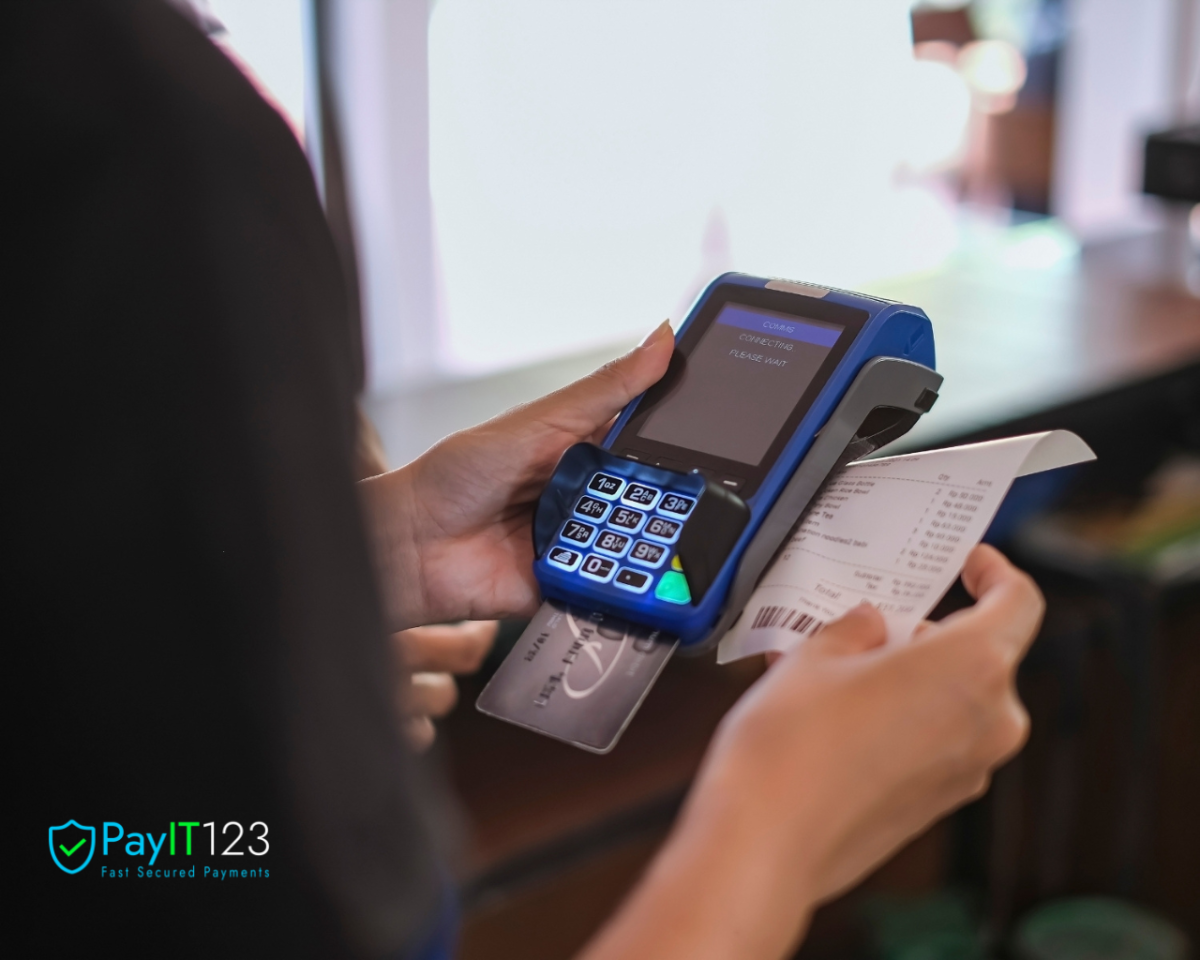
Expanding your online store to international markets is crucial for growth and competitiveness. Currency exchange is a significant challenge, but multi-currency card processing can help. This blog explores the intricacies of multi-currency card processing and how it can significantly enhance the customer experience and market reach for your online store.
Understanding Multi-Currency Card Processing
Multi-currency card processing allows your online store to accept payments in various foreign currencies, offering customers the option to pay in their local currency. This capability not only simplifies the purchasing process for the customer but also provides clarity on pricing and costs, eliminating the uncertainties associated with currency conversion rates.
The Benefits of Multi-Currency Processing
Enhanced Customer Experience
Providing customers the option to pay in their local currency improves their shopping experience by eliminating the friction and hesitation associated with currency conversion.
Competitive Advantage
Online stores that offer multiple currencies differentiate themselves from competitors, especially in markets where local currency transactions are rare.
Increased Sales and Market Reach
Multi-currency processing expands markets and enhances product accessibility, potentially leading to increased international sales and a broader customer base.
Better Financial Management
Understanding revenue in different currencies provides market performance insights and financial planning. Multi-currency processing solutions offer favorable conversion rates and foreign currency holding options.
Implementing Multi-Currency Card Processing
Choose the Right Payment Service Provider
Selecting a Payment Service Provider (PSP) that offers robust multi-currency processing capabilities is crucial. Look for providers with a wide range of supported currencies, competitive conversion rates, and seamless integration with your online store’s platform.
Understand the Costs
Implementing multi-currency processing comes with its own set of costs, including transaction fees, currency conversion fees, and potentially monthly service fees. It’s essential to understand these costs upfront to assess their impact on your pricing strategy and profit margins.
Display Currency Options Clearly
Make it easy for customers to select their preferred currency by displaying currency options prominently on your website. Consider using geo-location technology to automatically suggest a currency based on the customer’s location, enhancing the user experience.
Educate Your Customers
Ensure that your customers are aware of the option to pay in different currencies. Highlight this feature in your marketing communications and on your website. Educating customers about the benefits of multi-currency transactions can encourage more international sales.
Monitor and Optimize
Regularly review the performance of your multi-currency processing setup. Analyze sales data to identify trends, customer preferences, and potential issues. Use these insights to optimize your pricing, currency options, and overall strategy for international sales.
Conclusion
Multi-currency card processing is a valuable tool for online stores expanding internationally, enhancing the customer experience, gaining a competitive edge, tapping into new markets, and offering potential sales and customer satisfaction rewards.
Embracing multi-currency processing is more than just a technical upgrade—it’s a strategic decision that underscores your commitment to catering to a diverse, global customer base. With the right approach, it can pave the way for your online store’s successful international expansion.
#EcommerceGrowth #MultiCurrencyProcessing #InternationalSales #OnlineStoreExpansion #GlobalEcommerce #CustomerExperience #PaymentSolutions #DigitalPayments #EcommerceStrategy #GlobalMarketReach
Integrating Advanced Payment Solutions: AI and Machine Learning in Fraud Detection

Introduction:
The digital era’s increasing sophistication of cyber threats and fraudulent activities presents challenges for online businesses and payment processors. Traditional fraud detection systems struggle to keep up, requiring Artificial Intelligence and Machine Learning for dynamic and intelligent solutions.
The Evolution of Fraud Detection
Traditionally, fraud detection systems relied heavily on predefined rules and patterns to identify suspicious activities. While effective to a certain extent, these systems are limited by their inability to adapt to new fraud techniques quickly. They also tend to generate a high number of false positives, which can disrupt genuine transactions and negatively affect the customer experience.
The advent of AI and ML technologies has revolutionized fraud detection by introducing systems capable of learning and evolving in real time. These technologies analyze vast amounts of transaction data to identify subtle patterns and anomalies that may indicate fraudulent activity, significantly reducing the reliance on manual rule-setting.
How AI and ML Enhance Fraud Detection
Adaptive Learning
One of the most significant advantages of ML-based systems is their ability to learn and adapt over time. By continuously analyzing transactions, these systems become increasingly sophisticated in detecting fraud, even as fraudsters evolve their tactics. This adaptability ensures that fraud detection mechanisms remain effective and up-to-date without constant manual intervention.
Real-time Analysis
AI and ML algorithms excel at processing and analyzing large datasets in real time. This capability allows payment processors to evaluate transactions instantly, identifying and preventing fraud as it occurs. Real-time analysis not only enhances security but also ensures that legitimate transactions are processed smoothly, improving the overall customer experience.
Minimizing False Positives
By understanding the nuanced patterns of legitimate transactions, AI and ML can reduce the occurrence of false positives – legitimate transactions flagged as suspicious. Reducing false positives is crucial for minimizing unnecessary transaction delays and maintaining customer satisfaction.
Comprehensive Data Analysis
AI and ML algorithms can analyze a broader range of data points than traditional systems, including transaction context, customer behavior patterns, device information, and more. This comprehensive analysis enables a more accurate assessment of each transaction’s risk, leading to better fraud detection outcomes.
Integrating AI and ML into Payment Solutions
The integration of AI and ML into payment solutions involves several key steps:
- Data Collection: Collecting and aggregating transaction data from various sources to feed into the ML algorithms.
- Model Training: Training ML models on historical transaction data, including examples of both legitimate and fraudulent transactions, to learn distinguishing patterns.
- Real-time Implementation: Implementing the trained models in real-time payment processing systems to analyze and score transactions for fraud risk.
- Continuous Learning: Continuously updating the models with new transaction data to refine their accuracy and adapt to emerging fraud trends.
Conclusion
The integration of AI and ML in payment solutions is a significant step towards combating online fraud. These advanced technologies provide a dynamic, intelligent, and adaptive method for fraud detection, enhancing digital transaction security. As AI and ML continue to evolve, innovative solutions will emerge, safeguarding the digital economy and fostering trust among consumers and merchants.
#AIFraudDetection #MachineLearning #PaymentSolutions #Cybersecurity #DigitalPayments #FinTech #OnlineFraud #AdvancedTech #EcommerceSecurity #AIinPayments
Fraud Prevention in Card Processing: Tools and Strategies for Retailers

Introduction:
Card processing in retail is crucial for smooth transactions but also poses a threat of fraud. With online shopping, securing transactions against fraud is increasingly important. This blog discusses tools and strategies for retailers to protect their businesses.
Understanding the Threat Landscape
Retailers must understand sophisticated fraud tactics like stolen card details, identity theft, chargeback fraud, and “card testing” scams before developing effective fraud prevention strategies.
Essential Fraud Prevention Tools
1. Secure Payment Gateways
Select a payment gateway with robust security features, including encryption, tokenization, and PCI DSS compliance, to ensure sensitive card information is encrypted from entry to transaction processing.
2. Address Verification Service (AVS)
AVS compares the billing address provided by the customer during a transaction with the address on file with the card issuer. Discrepancies can indicate a fraudulent transaction. While not foolproof, AVS is a valuable tool in validating the authenticity of a transaction.
3. Card Verification Value (CVV) Checks
Requiring the CVV code during online transactions adds an extra layer of verification, as this code is not stored on magnetic stripes and is typically not printed on receipts, making it harder for fraudsters to obtain.
4. Two-Factor Authentication (2FA)
Implementing 2FA for transactions, especially for online purchases, can significantly reduce the risk of unauthorized access. By requiring a second form of verification, such as a text message code or email confirmation, 2FA ensures that the person initiating the transaction is the rightful cardholder.
5. Fraud Scoring
Fraud scoring systems assess transactions in real time based on various risk indicators, such as unusual purchasing patterns or high-risk locations. Transactions that score above a certain risk threshold can be flagged for review or declined automatically.
Proactive Strategies for Fraud Prevention
1. Educate Your Staff
Training your staff to recognize the signs of potential fraud is crucial. This includes being vigilant for suspicious behavior during in-store transactions and understanding the security features of your card processing system.
2. Monitor Transactions
Regularly monitor transactions for unusual patterns, such as multiple high-value purchases in a short period or an influx of orders from a single IP address. These patterns can often indicate fraudulent activity.
3. Keep Software Updated
Ensure that your payment processing software and systems are always up-to-date. Software updates often include patches for security vulnerabilities that could be exploited by fraudsters.
4. Create a Chargeback Policy
Develop a clear chargeback policy and make it easily accessible to your customers. Chargebacks can be a sign of fraud, so having a process in place for handling disputes can help mitigate losses.
5. Engage with Your Customers
Encourage your customers to report lost or stolen cards and any suspicious activity related to their accounts. Building a relationship of trust with your customers can make them more likely to alert you to potential fraud.
Conclusion
Implementing a comprehensive approach to fraud prevention in card processing involves combining advanced security tools, proactive strategies, and staff training. This not only protects businesses but also maintains customer trust in a digital world, ensuring a secure transaction environment.
#FraudPrevention #RetailSecurity #CardProcessing #SecureTransactions #EcommerceSafety #PaymentSecurity #RetailTechnology #OnlineShopping #CyberSecurity #RetailTips
Improving Customer Trust: Secure Card Processing Techniques for Online Businesses
Introduction:
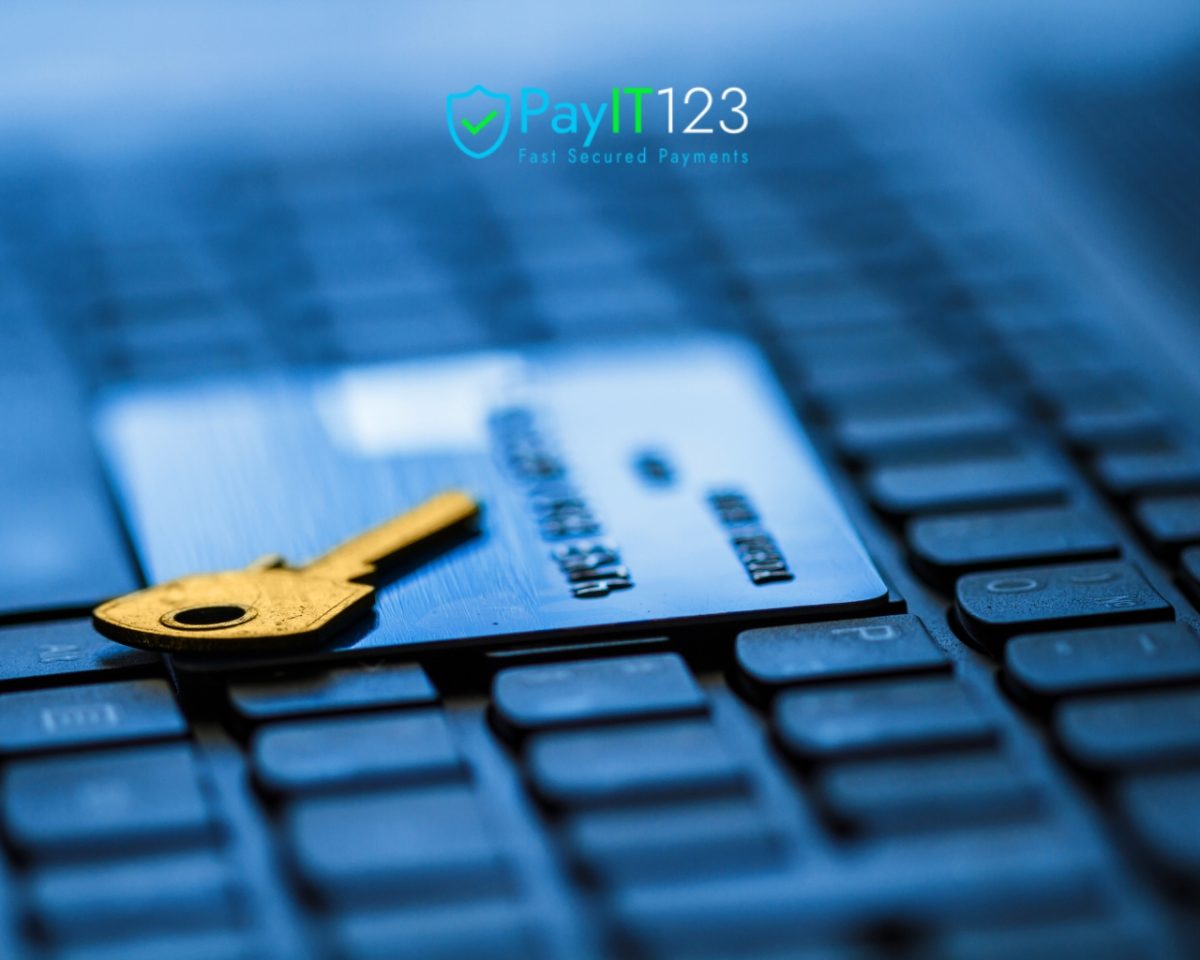
Online transactions are becoming increasingly important, making card processing security crucial for businesses. Customers are aware of potential risks like identity theft and fraud, making security a top priority. Secure card processing techniques can enhance customer trust and ensure a safe shopping experience.
Understanding the Importance of Secure Card Processing
The foundation of customer trust in online transactions lies in the assurance that their sensitive payment information is protected. A single breach can not only lead to significant financial losses but also, perhaps more importantly, irreversible damage to your brand’s reputation. Implementing secure card processing techniques demonstrates a commitment to customer safety, which in turn enhances trust and loyalty.
Secure Card Processing Techniques for Online Businesses
1. PCI DSS Compliance
The Payment Card Industry Data Security Standard (PCI DSS) is a set of security standards for companies handling credit card transactions, requiring regular audits, vulnerability scans, and remediation of identified security gaps to ensure a secure environment for all companies handling credit card transactions.
2. SSL Encryption
Secure Sockets Layer (SSL) encryption creates a secure connection between your customer’s web browser and your server, ensuring that all data passed between them remains private and integral. SSL encryption is easily identifiable by the “https://” prefix in the URL and a padlock icon in the browser’s address bar. This visual indicator is crucial, as it reassures customers that their data is encrypted and secure from prying eyes.
3. Tokenization
Tokenization is a method where a credit card’s primary account number is replaced with a unique token, reducing the risk of cardholder data being compromised. Even if intercepted, the token remains meaningless to the thief without access to the tokenization system.
4. 3D Secure Authentication
3D Secure (3DS) authentication enhances online credit and debit card transactions by requiring customers to verify their transactions with the card issuer, typically through a password or code sent to their mobile phone, thereby preventing unauthorized card use and shifting fraud liability.
5. Regular Security Audits and Updates
Cyber threats are constantly evolving, necessitating regular updates to your security systems. Conducting frequent security audits can help identify vulnerabilities in your payment processing system while updating software and systems ensures that you are protected against the latest security threats.
Building a Culture of Security
Improving customer trust goes beyond implementing technical solutions. It requires fostering a culture of security within your organization. Educate your employees about the importance of data security and the role they play in maintaining it. Additionally, be transparent with your customers about your security practices and what you are doing to protect their information.
Conclusion
Establishing and maintaining customer trust in online business is crucial for long-term success. Secure card processing techniques, PCI DSS compliance, SSL encryption, tokenization, 3D Secure authentication, and regular security audits reinforce trustworthiness.
Remember, in the realm of online transactions, security is not just a technical requirement; it’s a cornerstone of customer trust and brand loyalty.
#SecurePayments #OnlineBusiness #CustomerTrust #PCICompliance #SSLencryption #Tokenization #3DSecure #DataSecurity #EcommerceSecurity #OnlineShoppingSafety
Integrating Digital IBAN Insurance into Your Business Model

Introduction:
This blog explores the integration of digital International Bank Account Number (IBAN) insurance into business models to mitigate cyber threats and financial fraud, providing strategies for businesses looking to implement this innovative solution.
Understanding Digital IBAN Insurance
Digital IBAN insurance is a specialized form of financial protection designed to safeguard businesses against losses incurred from digital banking fraud, including unauthorized transactions and other cyber-related risks associated with international payments. As businesses expand their digital footprints globally, the reliance on IBAN for cross-border transactions has become ubiquitous. Consequently, the need for robust security measures has never been more critical.
The Rationale for Integration
The integration of digital IBAN insurance into a business model is driven by several compelling factors:
- Enhanced Security: It fortifies a company’s financial transactions against the burgeoning threat of cybercrime, providing a safety net for both the business and its clients.
- Trust and Credibility: Offering digital IBAN insurance can significantly bolster a company’s reputation, demonstrating a commitment to customer security and trustworthiness.
- Operational Continuity: By mitigating financial losses from cyber incidents, businesses can ensure operational continuity, which is crucial for maintaining customer trust and business stability.
- Regulatory Compliance: With an increasing regulatory focus on digital transaction security, integrating digital IBAN insurance can help businesses stay ahead of compliance requirements.
Strategies for Integration
- Risk Assessment and Needs Analysis
Begin with a comprehensive risk assessment to understand the specific threats your business faces in the realm of digital transactions. This step is crucial for determining the level of coverage needed and identifying the areas where digital IBAN insurance can provide the most significant benefits.
- Partner with the Right Insurer
Select an insurance provider that specializes in digital IBAN insurance and has a deep understanding of the fintech landscape. The right partner should offer flexible, scalable solutions tailored to the unique needs of your business.
- Seamless Integration into Financial Operations
Work closely with your insurer to integrate digital IBAN insurance seamlessly into your existing financial operations. This includes setting up processes for monitoring transactions, reporting incidents, and claiming compensation in the event of a cyber incident.
- Educate Your Team and Customers
Educating both your employees and customers about the benefits and workings of digital IBAN insurance is essential. Awareness can significantly enhance the adoption and effective use of the insurance product, reinforcing the security framework of your business.
- Continual Review and Adaptation
The digital landscape is ever-evolving, with new threats emerging regularly. Continually review and adjust your digital IBAN insurance coverage to ensure it remains aligned with your business needs and the external threat environment.
The Impact on Business Models
Integrating digital IBAN insurance into a business model improves operational security, positions a company as a leader in customer protection, and expands market reach. Proactive cybersecurity compliance can streamline compliance with international regulations, avoiding potential fines and sanctions for cyber incidents.
Conclusion
Digital transactions dominate global economics, necessitating the integration of digital IBAN insurance into business models. This innovative solution protects operations, builds customer trust, and ensures a safer, more reliable business environment for all stakeholders.
#DigitalIBANInsurance #BusinessSecurity #CyberRiskManagement #FintechSolutions #GlobalCommerceProtection #SecureDigitalTransactions #FinancialInnovation #OperationalContinuity #CybersecurityInBusiness #DigitalBankingSecurity
Cybersecurity and Digital IBAN Insurance: What You Need to Know

Introduction:
This blog discusses the importance of cybersecurity in digital IBANs, highlighting the potential vulnerabilities exploited by cybercriminals and how insurance can help mitigate these risks.
The Rising Importance of Cybersecurity for Digital IBAN’s
Digital IBANs facilitate seamless cross-border transactions by standardizing international bank account identification. While this promotes global commerce, it also exposes businesses and individuals to sophisticated cyber threats. Cybersecurity measures are vital in safeguarding against unauthorized access, data breaches, and financial fraud.
Phishing attacks, malware, and advanced persistent threats (APTs) are just a few tactics used by cybercriminals to exploit digital banking infrastructures. The consequences of such attacks can be devastating, ranging from financial loss to significant reputational damage. Thus, implementing robust cybersecurity measures is not just a precaution; it’s a necessity.
How Cyber Insurance Supports Digital IBAN Security
Cyber insurance emerges as a critical tool in the arsenal against digital threats, specifically tailored to address the unique risks associated with digital IBANs. This specialized insurance coverage is designed to mitigate the financial risks arising from cyberattacks, data breaches, and other internet-based threats. Here’s how cyber insurance contributes to a comprehensive risk management strategy:
- Financial Protection: Cyber insurance can cover the direct financial losses incurred from cyberattacks, including the costs associated with data recovery, legal fees, and any fines or penalties. This financial cushion is invaluable, enabling businesses to recover more swiftly from cyber incidents.
- Risk Management Support: Beyond financial coverage, many cyber insurance policies offer access to risk management services. These might include cybersecurity assessments, monitoring services, and incident response planning. Such support is crucial in identifying vulnerabilities and strengthening the security posture of digital IBAN transactions.
- Business Continuity: In the aftermath of a cyberattack, the primary focus is on restoring operations as quickly as possible. Cyber insurance can provide the resources necessary for rapid recovery, ensuring that business disruption is minimized. This aspect is particularly important for financial institutions and businesses that rely heavily on digital IBANs for their operations.
Implementing a Holistic Cybersecurity Strategy
While cyber insurance is an essential component of risk management, it should not be the sole measure of defense. A holistic cybersecurity strategy encompasses multiple layers of protection, including:
- Employee Training: Educating staff about the latest cyber threats and safe online practices is fundamental. Since human error can often lead to security breaches, a well-informed workforce is a strong line of defense.
- Advanced Security Technologies: Utilizing state-of-the-art security solutions, such as encryption, multi-factor authentication (MFA), and intrusion detection systems (IDS), can significantly enhance the security of digital IBAN transactions.
- Regular Security Audits: Conducting periodic security audits and penetration testing can help identify and remediate vulnerabilities before they can be exploited by cybercriminals.
- Compliance and Best Practices: Adhering to international cybersecurity standards and best practices ensures that security measures are up-to-date and effective.
Conclusion
Cybersecurity is crucial for digital IBANs, and insurance can mitigate financial risks. A proactive strategy combining comprehensive coverage with robust security practices can ensure digital transactions’ safety and integrity.
#Cybersecurity #DigitalIBAN #FinancialSecurity #CyberInsurance #RiskManagement #DataProtection #CyberThreats #OnlineBankingSafety #CyberRiskMitigation #DigitalFinanceSecurity