How to Plan for Big Purchases (Cars, Homes, etc.)

Introduction

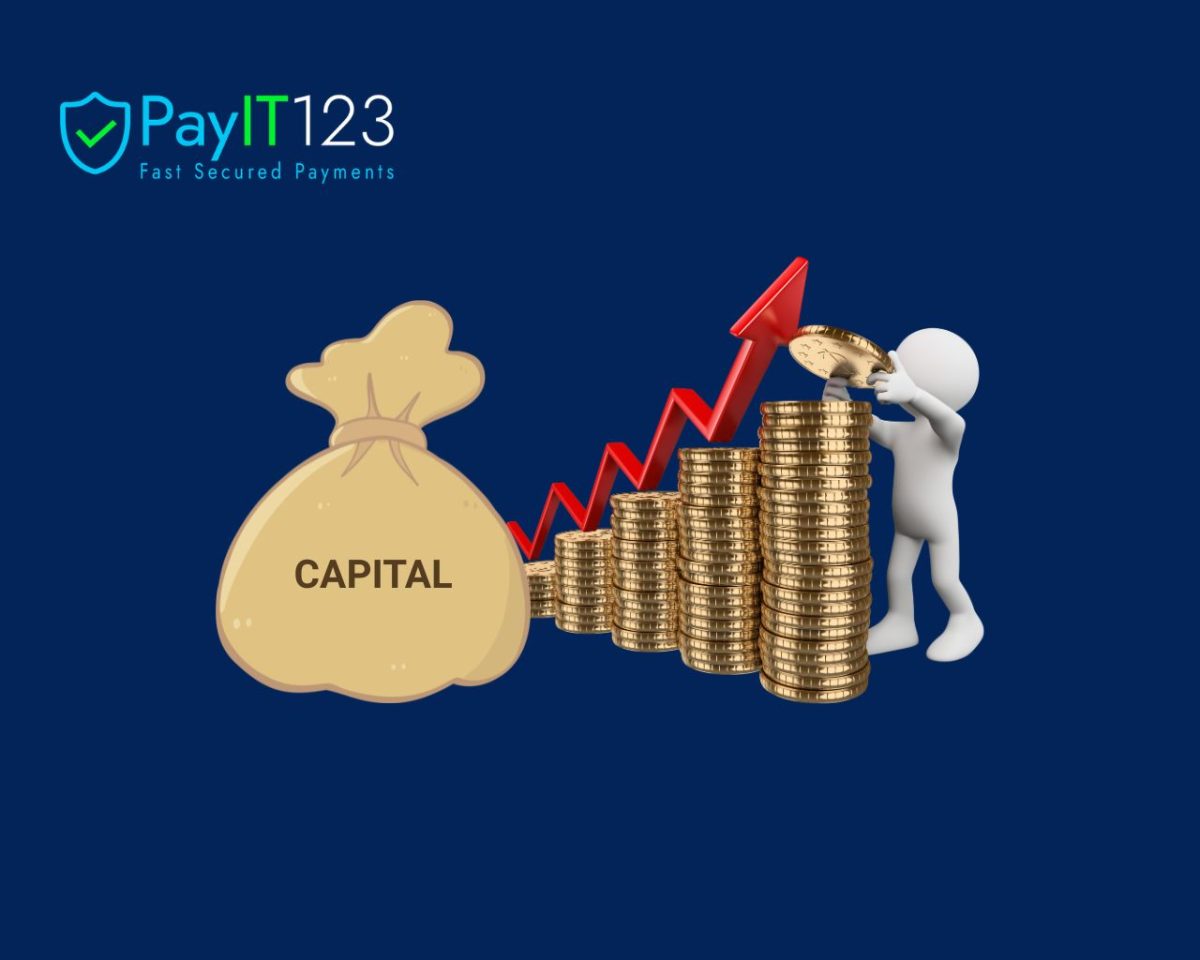
Making big purchases—whether it’s a new car, a home, or any other significant investment—requires careful planning and preparation. These purchases often involve substantial amounts of money, and proper financial management can help you avoid stress and financial strain. Here’s a step-by-step guide to help you plan effectively for big purchases.

1. Set a Clear Goal

The first step in planning for any large purchase is to define your goal. For example, if you’re looking to buy a new car, determine what make and model you’re interested in, as well as the price range. For a home, research the type of property you want, the area, and the market conditions. Setting a clear goal will help you focus your efforts and give you a target to work toward.

2. Assess Your Current Financial Situation

Before making a big purchase, take a close look at your current financial standing. Assess your savings, debts, income, and monthly expenses. This will give you a better idea of what you can realistically afford and how much you’ll need to save. For example, calculate how much you need for a down payment on a house or a car, and consider additional costs like taxes, insurance, and maintenance.

3. Create a Budget

Once you have a clear goal and understanding of your finances, create a budget to help you save for the purchase. If you’re planning to buy a home or car, set aside a specific amount each month toward your down payment or the total purchase price. For instance, if you’re planning to save $20,000 for a home down payment in two years, you’ll need to save approximately $834 a month. Stick to this budget as consistently as possible to reach your target amount.

4. Consider Financing Options

For larger purchases like homes or cars, you’ll likely need to secure financing. Before committing to a loan, explore different financing options, such as mortgages or auto loans, and compare interest rates from various lenders. Consider your credit score, as it can impact your loan eligibility and interest rates. Aim to get pre-approved for financing to get a better idea of what you can afford and streamline the purchasing process.

5. Build an Emergency Fund

Before committing to a big purchase, ensure you have an emergency fund in place. Having at least three to six months’ worth of expenses saved will provide a safety net in case of unexpected costs or income disruptions after your purchase.

Conclusion

Planning for big purchases requires time, effort, and discipline. Still, by setting clear goals, assessing your finances, and sticking to a budget, you can make these purchases without overextending yourself financially. With careful preparation, you’ll be able to achieve your financial goals while maintaining a healthy economic outlook.

#BigPurchases #FinancialPlanning #Budgeting #CarBuying #HomeBuying #FinancialGoals #SmartSpending

How to Avoid Lifestyle Inflation and Save More

Introduction

As your income increases, it’s tempting to upgrade your lifestyle accordingly—new clothes, a bigger house, fancier meals, or luxurious vacations. This phenomenon is known as lifestyle inflation, and while it may feel rewarding in the short term, it can prevent you from achieving long-term financial goals like saving, investing, or retiring comfortably. Avoiding lifestyle inflation is key to maintaining financial discipline and maximizing your savings. Here are some strategies to help you avoid lifestyle inflation and save more.

1. Set Clear Financial Goals

The first step in avoiding lifestyle inflation is to have clear, long-term financial goals. Whether it’s saving for retirement, building an emergency fund, or purchasing a home, having a concrete plan will help you stay focused on what truly matters. Regularly revisit your goals and remind yourself of the bigger picture. When your goals are front and center, the temptation to overspend on non-essential luxuries will lessen.

2. Increase Savings as Income Rises

A simple but effective strategy is to increase your savings as your income grows automatically. For instance, if you get a raise or a bonus, allocate a portion of it directly to savings or investments before you even see it. This way, your lifestyle won’t automatically inflate with your increased income, and you’ll be forced to live below your means. Aim to save a higher percentage of your income each time you earn more.

3. Create a Budget and Stick to It

Even when your income increases, it’s crucial to maintain a budget. A budget helps you track your spending, ensures you’re saving enough, and highlights areas where you can cut back. With a clear budget in place, it becomes easier to prioritize your financial goals over impulsive spending on luxury items or experiences that don’t contribute to your future financial security.

4. Separate Wants from Needs

One of the main culprits of lifestyle inflation is the blurred line between wants and needs. Before making a purchase, ask yourself whether it adds long-term value or is simply temporary satisfaction. Focusing on the essentials and avoiding unnecessary luxuries can help keep lifestyle inflation at bay.

5. Live Below Your Means

Lastly, the most effective way to combat lifestyle inflation is by simply living below your means. Just because you can afford a higher standard of living doesn’t mean you should automatically increase your spending. Continue enjoying the things that truly add value to your life without feeling pressured to indulge in every luxury.

Conclusion

Avoiding lifestyle inflation is about prioritizing long-term financial health over short-term gratification. By sticking to a budget, saving more as your income increases, and focusing on your goals, you can build wealth and secure your financial future without succumbing to lifestyle inflation.

#LifestyleInflation #SavingMoney #FinancialGoals #Budgeting #PersonalFinance #SmartSpending #WealthBuilding

How Inflation Affects Your Personal Finances

Introduction

Inflation is a common economic phenomenon, but many people don’t fully understand how it impacts their day-to-day finances. Inflation refers to the increase in the price of goods and services over time, meaning the value of money decreases. While inflation is a regular part of the economy, it can have significant effects on your personal finances. Here’s how inflation can impact your budget, savings, and purchasing power—and what you can do about it.

1. Rising Costs of Goods and Services

One of the most immediate effects of inflation is the increase in the cost of everyday goods and services. As inflation rises, groceries, gas, utilities, and other essentials become more expensive. This can strain your monthly budget, forcing you to spend more on the same items. For example, if the cost of food increases by 5% and your salary remains the same, you’ll find that your food budget doesn’t stretch as far, impacting your ability to save or spend in other areas.

2. Impact on Savings and Investments

Inflation erodes the purchasing power of your savings. If the interest rates on your savings accounts or investments are lower than the rate of inflation, you’re essentially losing money in real terms. For example, if your savings account earns 1% interest but inflation is 3%, your money’s real value decreases by 2% each year. This makes it crucial to invest in assets that outpace inflation, such as stocks, real estate, or inflation-protected securities like TIPS (Treasury Inflation-Protected Securities).

3. Higher Borrowing Costs

Inflation often leads to higher interest rates. When inflation rises, central banks may increase interest rates to try to control inflation, which means the cost of borrowing—whether for a mortgage, car loan, or credit card debt—will go up. Higher interest rates can increase your monthly payments, making it harder to pay off debt or afford large purchases. If you have variable-rate loans, your payments could increase significantly, making it essential to manage debt more carefully during periods of inflation.

4. Reduced Purchasing Power

Inflation reduces your purchasing power, meaning your income doesn’t go as far as it once did. This can be particularly challenging for those on fixed incomes, such as retirees or people with salaries that don’t adjust with inflation. Without an increase in income, the rising cost of living can force you to cut back on discretionary spending or find ways to boost your income.

5. How to Protect Yourself from Inflation

To protect yourself from inflation’s effects, consider investing in assets that have historically outpaced inflation, such as stocks or real estate. Keep an eye on your spending habits and look for ways to cut back in areas where prices are rising. Additionally, focus on building an emergency fund that can buffer against unexpected price hikes and reduce the need for borrowing.

Conclusion

Inflation is a powerful force that affects nearly every aspect of your personal finances. By understanding how it impacts your budget, savings, and purchasing power, and taking steps to protect your finances, you can better navigate the challenges of an inflationary economy.

#Inflation #PersonalFinance #Investing #SavingMoney #Budgeting #PurchasingPower #FinancialPlanning

Understanding Compound Interest and Its Power

Introduction

Compound interest is often called the “eighth wonder of the world” because of its remarkable ability to make money grow exponentially over time. Unlike simple interest, which earns interest only on the principal amount, compound interest earns interest on both the initial principal and the accumulated interest from previous periods. This can significantly boost your savings and investments, especially when you start early. Let’s break down how compound interest works and why it’s so powerful.

1. What is Compound Interest?

At its core, compound interest is the process of earning interest on interest. For example, if you invest $1,000 at a 5% annual interest rate, after one year, you’ll earn $50 in interest (5% of $1,000). The following year, you’ll earn 5% on $1,050, not just the original $1,000. This ongoing process of earning interest on the increasing balance is what makes compound interest so powerful.

2. How Does It Work?

The formula for compound interest is

A = P(1 + r/n)^(nt)

Where:

  • A is the amount of money accumulated after interest
  • P is the principal amount (the initial investment)
  • r is the annual interest rate (decimal)
  • n is the number of times interest is compounded per year
  • It is the number of years the money is invested or borrowed for

For example, if you invest $1,000 at 5% interest compounded annually for 10 years, your investment will grow much more than if the interest were only calculated on the initial $1,000.

3. The Power of Time

One of the most significant factors influencing the power of compound interest is time. The longer you leave your money to grow, the more powerful the effect. This is why it’s often advised to start investing as early as possible—because the earlier you start, the more time your money has to compound and grow.

For instance, investing $5,000 at an annual interest rate of 6% for 30 years will result in a much larger amount than investing the same $5,000 for only 10 years.

4. Real-World Applications

Compound interest is often used in savings accounts, investments, and retirement funds. For example, the money you invest in a 401(k) or IRA will grow with compound interest over time, significantly boosting your retirement savings.

Conclusion

Compound interest is a powerful tool for growing wealth, and understanding how it works can help you make smarter financial decisions. The earlier you start investing, the more time your money has to compound, allowing you to reap the rewards of this financial wonder.

#CompoundInterest #Investing #WealthBuilding #FinancialLiteracy #PersonalFinance #MoneyManagement

Why Credit Scores Matter and How to Improve Yours

Introduction

Your credit score is one of the most critical factors in determining your financial health. It affects your ability to get loans, secure favorable interest rates, and sometimes even rent a home or land a job. A good credit score can open doors to better financial opportunities, while a poor score can limit your options. Understanding why credit scores matter and how to improve them is essential for managing your financial future.

Why Credit Scores Matter

  1. Loan and Credit Approval

Your credit score is one of the first things lenders look at when you apply for a loan or a credit card. A high credit score indicates that you’re a reliable borrower, which makes lenders more likely to approve your application. On the other hand, a low score can result in rejection or higher scrutiny of your financial situation.

  1. Interest Rates and Loan Terms

Your credit score also plays a significant role in determining the interest rates and terms of loans. Those with higher credit scores are often offered lower interest rates, meaning they pay less in interest over time. For example, a person with a high score may qualify for a mortgage at a 3% interest rate, while someone with a low score may face a rate of 7% or higher. Over the life of the loan, this difference can add up to thousands of dollars in extra costs.

  1. Renting and Employment

Landlords often check credit scores as part of the rental application process to gauge a potential tenant’s financial reliability. Similarly, some employers may check credit scores, especially for roles involving financial responsibilities. A low credit score can be seen as a red flag in both cases.

How to Improve Your Credit Score

  1. Pay Bills on Time

The most significant factor affecting your credit score is your payment history. Paying your bills on time, whether they are credit card bills, loans, or utility bills, helps build a positive credit history. Set reminders or automate payments to ensure you never miss a due date.

  1. Reduce Debt and Keep Balances Low

Your credit utilization ratio—the amount of credit you’re using compared to your available credit—is another crucial factor. Aim to keep your credit card balances below 30% of your available credit to maintain a healthy ratio. Paying down debt and avoiding maxing out credit cards can significantly improve your credit score

  1. Check Your Credit Report for Errors

Mistakes in your credit report can negatively impact your score. Regularly check your credit report for errors or outdated information, such as incorrect account statuses or missing payments. Dispute any inaccuracies with the credit bureau to have them corrected.

  1. Avoid Opening New Accounts Frequently

Each time you apply for new credit, a hard inquiry is made on your credit report, which can lower your score temporarily. Avoid opening new accounts unless necessary, as frequent applications can signal financial instability to lenders.

Conclusion

Your credit score is an essential factor in managing your finances and achieving financial goals. By paying bills on time, reducing debt, monitoring your credit report, and managing your credit usage, you can improve your score and open doors to better financial opportunities. Remember, improving your credit score is a gradual process, but the benefits of having a strong score are well worth the effort.

#CreditScore #PersonalFinance #FinancialHealth #CreditImprovement #DebtManagement #CreditReport #MoneyTips

The Importance of Emergency Funds and How to Build One

Introduction

Life is full of unexpected events—whether it’s a medical emergency, car repair, or sudden job loss. These situations can place a significant strain on your finances, but having an emergency fund can provide a safety net that keeps you afloat during tough times. An emergency fund is an essential part of personal financial planning, and building one can give you peace of mind and financial stability. Here’s why an emergency fund is so important and how to build one effectively.

Why Is an Emergency Fund Important?

  1. Provides Financial Security
    An emergency fund acts as a buffer between you and unexpected financial setbacks. Without it, you may have to rely on credit cards, loans, or borrowing from friends and family when an emergency arises. Having a dedicated fund ensures that you can cover sudden expenses without falling into debt or disrupting your financial plans.
  2. Reduces Stress and Anxiety
    Financial stress can affect your mental health and well-being. Knowing that you have a cushion to fall back on during unexpected situations helps reduce anxiety about your financial future. It provides a sense of control, knowing you are prepared for life’s curveballs.
  3. Prevents Financial Setbacks
    When emergencies happen, you want to be able to handle them without derailing your long-term financial goals. An emergency fund prevents you from dipping into savings meant for retirement, a down payment, or other important life goals. By having separate savings for emergencies, you protect your future financial stability.

How to Build an Emergency Fund

  1. Set a Goal
    A good rule of thumb is to aim for three to six months’ worth of living expenses. This amount will vary based on your lifestyle, but having enough to cover essential expenses (rent, utilities, food, and transportation) give you a solid foundation. Consider any personal circumstances—if you have dependents or an unstable income, you might want to aim for a larger fund.
  2. Start Small and Stay Consistent
    Building an emergency fund doesn’t need to happen overnight. Start by setting aside small amounts regularly—whether it’s $50 or $100 per month. Consistency is key. Over time, these contributions will add up, and you’ll be able to reach your goal.
  3. Automate Your Savings
    Automating your savings is an effective way to stay disciplined. Set up an automatic transfer from your checking account to your emergency fund, ensuring that you prioritize saving before spending on other expenses.
  4. Keep the Fund Accessible
    While you want the money to be there when you need it, it’s important to keep it in a liquid, easily accessible account. A high-yield savings account is a good choice, as it provides interest without compromising access to your funds.

Conclusion

An emergency fund is a crucial element of financial planning that provides security, reduces stress, and helps you stay on track with your financial goals. By setting a clear goal, starting small, automating your savings, and keeping your fund accessible, you can build an emergency fund that protects you in times of need.

#EmergencyFund #PersonalFinance #FinancialPlanning #SavingsGoals #FinancialSecurity #MoneyManagement #FinancialStability

How to Build a Budget That Works for You

Introduction

Creating a budget is one of the most effective ways to take control of your finances. Whether you’re saving for a big purchase, paying down debt, or just trying to get a better handle on your spending, building a budget that works for you can make all the difference. A well-structured budget not only helps you track your income and expenses but also allows you to plan for the future and avoid financial stress. Here’s a step-by-step guide to building a budget that aligns with your goals.

1. Set Clear Financial Goals

Before you start budgeting, it’s important to define your financial goals. These could range from short-term goals like saving for a vacation to long-term goals such as building an emergency fund or saving for retirement. Knowing your goals will help you prioritize your spending and savings, making it easier to allocate funds to what truly matters. Keep your goals realistic and specific—rather than just “save money,” aim for something like “save $200 per month for an emergency fund.”

2. Track Your Income

The next step is to get a clear picture of your income. This includes not only your salary but also any additional streams of income, such as freelance work, rental income, or investment returns. Make sure to account for your after-tax income, as that’s the actual amount you can allocate to various categories in your budget.

3. List and Categorize Your Expenses

Once you know how much money you have coming in, it’s time to track your spending. Break down your expenses into two categories: fixed and variable.

  • Fixed expenses: These are regular, predictable costs such as rent or mortgage payments, utilities, insurance, and loan payments.
  • Variable expenses: These fluctuate from month to month and include groceries, entertainment, dining out, transportation, and personal expenses.

Take a close look at your past spending to determine how much you typically spend in each category. Use apps like Mint or YNAB (You Need A Budget) to help track these expenses and identify areas where you may be overspending.

4. Create a Realistic Spending Plan

With your income and expenses outlined, create a spending plan that aligns with your financial goals. Make sure to allocate a portion of your income toward savings, debt repayment, and emergency funds, while ensuring you have enough for essential and discretionary spending. Be honest with yourself about what you can realistically afford—don’t create a budget that’s too strict or unrealistic, as that can lead to frustration and failure.

5. Review and Adjust Regularly

Your budget should be a living document that you review regularly. Life circumstances and financial goals change, so it’s important to update your budget periodically. Whether it’s adjusting for a change in income or rethinking your spending priorities, regularly reviewing and adjusting your budget ensures that it continues to work for you.

Conclusion

Building a budget that works for you is about understanding your finances and taking control of your money. By setting clear goals, tracking your income and expenses, and creating a realistic spending plan, you can manage your finances effectively and work toward achieving your financial objectives.

#Budgeting #PersonalFinance #MoneyManagement #FinancialGoals #SavingsPlan #DebtRepayment #FinancialFreedom #MoneyTips

Understanding the Basics of Financial Planning

Introduction

Financial planning is an essential process for individuals and businesses alike. It involves setting goals, assessing current financial situations, and creating a roadmap to achieve those goals while managing financial risks. Whether you’re planning for retirement, saving for a major purchase, or seeking long-term business growth, a sound financial plan provides the structure needed to make informed decisions. Here’s a breakdown of the basics of financial planning and why it’s so important.

1. Setting Clear Financial Goals

The first step in any financial plan is defining clear, achievable goals. These goals can vary widely depending on whether you’re an individual or a business. For individuals, goals may include saving for a house, funding a child’s education, or preparing for retirement. For businesses, goals could focus on expanding operations, managing cash flow, or achieving profitability targets. By setting specific, measurable, and time-bound goals, you can create a framework for your financial plan and evaluate your progress along the way.

2. Assessing Your Current Financial Situation

Once your goals are set, the next step is to assess your current financial situation. This includes taking a close look at your income, expenses, assets, liabilities, and any existing investments. For businesses, this would involve reviewing financial statements, cash flow, and current debt levels. For individuals, a personal balance sheet can help you understand where you stand financially and highlight areas where improvements are needed. This assessment serves as the foundation for developing a plan that is realistic and achievable.

3. Creating a Budget and Managing Expenses

A key component of financial planning is budgeting. Whether for personal finances or a business, a budget outlines how money will be allocated across various categories, including savings, investments, and expenses. Effective budgeting ensures that you live within your means and prioritize your financial goals. For businesses, proper budgeting helps prevent overspending, monitor cash flow, and plan for future investments. Tracking and controlling expenses is critical to staying on track with your financial objectives.

4. Building a Savings and Investment Strategy

Financial planning isn’t just about managing expenses; it’s also about making your money work for you. A solid savings and investment strategy helps you grow wealth over time. This includes choosing the right investment vehicles—whether stocks, bonds, or retirement accounts—and building a diversified portfolio. For businesses, this could involve reinvesting profits into growth opportunities or ensuring sufficient working capital for ongoing operations.

5. Risk Management and Insurance

A comprehensive financial plan also includes provisions for risk management. This involves identifying potential risks—such as unexpected medical expenses, accidents, or market fluctuations—and taking steps to mitigate them. Insurance plays a key role in this, whether it’s health, life, business, or property insurance. Properly managing risk ensures that you can weather unexpected challenges without derailing your financial goals.

Conclusion

Financial planning is a vital process that helps individuals and businesses achieve their long-term objectives while managing risks. By setting clear goals, assessing your current financial situation, creating a budget, and implementing savings and investment strategies, you can take control of your financial future. Remember, a successful financial plan is adaptable and should be reviewed regularly to reflect any changes in circumstances or goals.

#FinancialPlanning #PersonalFinance #Budgeting #InvestmentStrategy #RiskManagement #FinancialGoals #MoneyManagement

Onramps for the Fashion Industry: E-Commerce Made Simple

Introduction

The fashion industry is rapidly evolving, with e-commerce driving its growth. As consumers increasingly turn to online platforms for shopping, fashion brands are looking for seamless ways to integrate digital solutions into their operations. This is where onramps for the fashion industry come in—providing an easy and efficient pathway for fashion brands to build and scale their e-commerce presence without the complexity and cost of traditional systems.

What Are E-Commerce Onramps?

E-commerce onramps are platforms, tools, and services that simplify online selling. For fashion brands, these onramps typically offer easy-to-use solutions for setting up online stores, managing payments, handling inventory, and delivering a smooth customer experience. They help brands navigate the complexities of the digital marketplace by providing streamlined solutions that focus on essential e-commerce functions, such as user interface design, payment processing, and shipping logistics.

These onramps enable businesses—whether startups or established brands—to sell online without extensive technical knowledge or costly infrastructure. This allows them to focus on what they do best: creating and selling great fashion.

Opportunities for the Fashion Industry

E-commerce onramps offer fashion brands opportunities to reach a global audience and compete in a fast-paced digital market. These platforms help businesses overcome common barriers to entry, such as website development, payment gateways, and online marketing, allowing them to establish a strong online presence quickly. By providing tools that streamline the customer journey —from browsing to checkout —these onramps enhance the overall shopping experience, improving customer retention and sales.

Moreover, onramps allow fashion brands to scale quickly by integrating with various online marketplaces, social media channels, and global shipping services. This flexibility enables brands to tap into new markets and reach customers worldwide, expanding their business without significant upfront costs.

How PayIT123 Supports Fashion E-Commerce

At PAYIT123, we specialize in providing comprehensive payment processing solutions tailored to the fashion industry’s needs. Our seamless integration of payment gateways, card processing, and onramp solutions enables fashion brands to accept payments from local and international customers easily. We also offer instant SEPA deposits, simplifying financial transactions for fashion retailers and allowing them to manage their e-commerce operations more efficiently.

With PAYIT123, fashion brands can confidently focus on their creative work while relying on our robust, secure payment solutions to handle the financial side of their e-commerce businesses.

Conclusion

E-commerce onramps are the perfect solution for fashion brands looking to navigate the digital marketplace. By offering user-friendly tools and streamlined processes, these platforms make it easier for brands to set up and grow their online presence. With the support of reliable partners like PAYIT123, fashion businesses can unlock new opportunities, expand their reach, and thrive in the ever-evolving digital landscape.

#FashionEcommerce #EcommerceSolutions #PayIT123 #FashionIndustry #OnrampSolutions #DigitalRetail #FashionBusiness #OnlineShopping #PaymentProcessing #FashionGrowth

Crypto Onramps for Developing Countries: Opportunities and Barriers

Introduction

The rise of cryptocurrency is reshaping financial systems worldwide, offering new pathways for economic inclusion—especially in developing countries. Crypto onramps, which allow users to convert local currency into digital assets, play a vital role in this transformation. As more individuals and businesses seek fast, secure, and accessible financial solutions, crypto onramps are becoming essential tools for unlocking new opportunities. However, despite their potential, several challenges remain.

Opportunities for Developing Countries

Crypto onramps open the door to financial empowerment in regions where traditional banking systems are limited or unreliable. Many people in developing countries face barriers such as limited bank access, high transfer fees, and long transaction times. Cryptocurrency offers a faster and more affordable alternative.

With crypto onramps, individuals can access global markets, send remittances at lower costs, and protect their savings from local currency instability. Entrepreneurs can accept payments from international clients with ease, and small businesses can expand into global e-commerce markets without needing complicated banking infrastructure.

This is where PayIT123 plays a transformative role.
At PAYIT123, we specialize in providing comprehensive card payment processing, onramp solutions, and instant SEPA deposits—making financial access smoother and more efficient. Our mission is to simplify and secure economic transactions for businesses worldwide, empowering them to thrive in the digital economy. Through seamless integration and advanced technology, we help fintech platforms, payment service providers, and online businesses connect to world-class payment tools.

Barriers to Adoption

Despite the potential, developing nations still face obstacles in fully embracing crypto onramps. Regulatory uncertainty is one of the biggest challenges. Many governments are still navigating how to regulate digital assets, leading to unclear guidelines or strict restrictions. This can make it difficult for businesses and individuals to adopt cryptocurrency confidently.

Infrastructure is another key barrier. Limited internet access, outdated technology, and low financial literacy slow the adoption of digital payments and crypto services. Additionally, the risk of fraud, money laundering, and cyber threats requires strong security standards and compliance protocols.

PAYIT123 addresses these concerns with robust security, full compliance with KYC and AML standards, and dedicated Account Managers who provide personalized support. Our solutions are designed to ensure fast, safe, and reliable transactions—no matter the region.

Conclusion

Crypto onramps offer immense opportunities for developing countries, from financial inclusion to global economic participation. With secure, innovative partners like PAYIT123, the path toward digital financial empowerment becomes more transparent and more accessible.

#CryptoOnramps #DevelopingCountries #PayIT123 #DigitalEconomy #FinancialInclusion #FintechSolutions #GlobalPayments #BlockchainInnovation