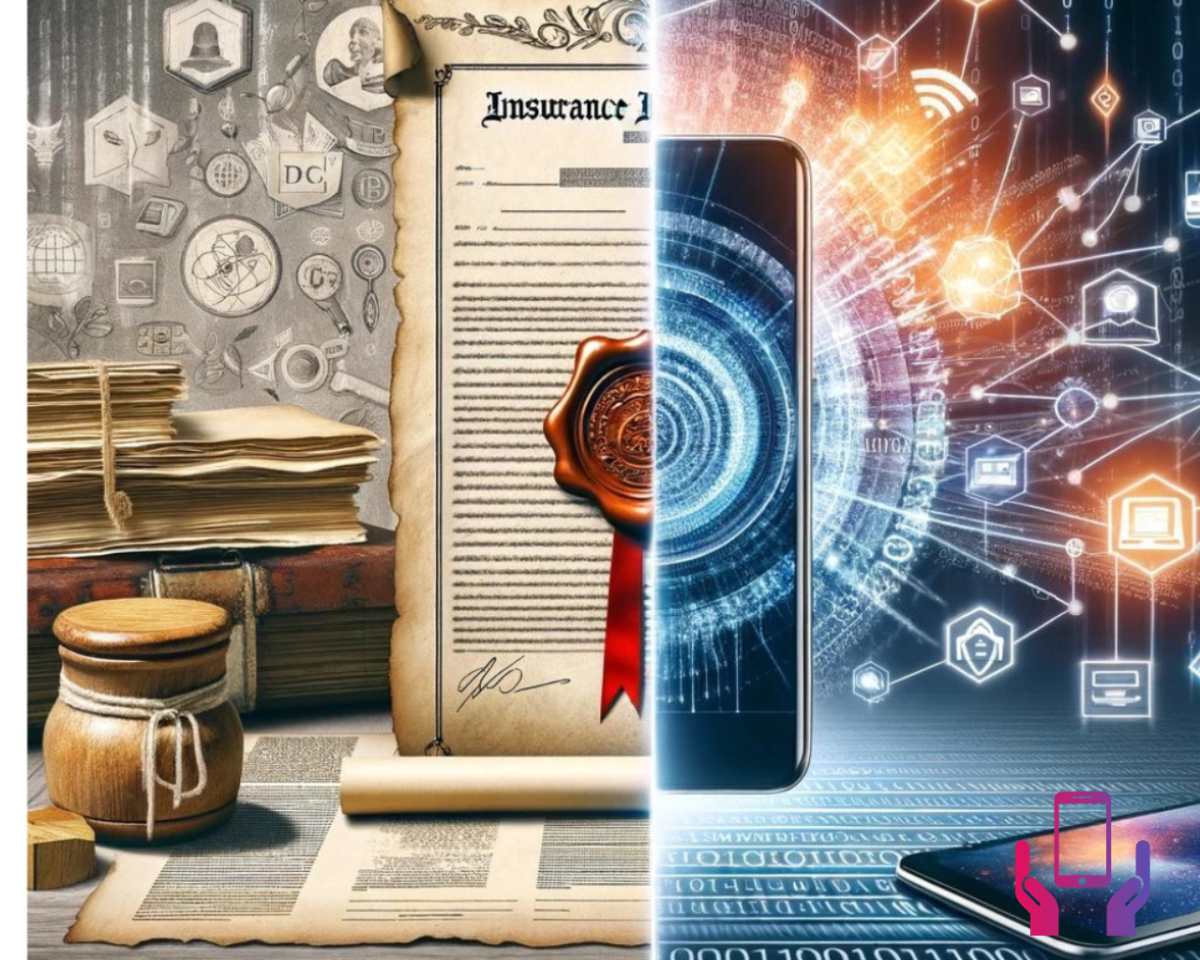
Integrating Advanced Payment Solutions: AI and Machine Learning in Fraud Detection

Introduction:

The digital era’s increasing sophistication of cyber threats and fraudulent activities presents challenges for online businesses and payment processors. Traditional fraud detection systems struggle to keep up, requiring Artificial Intelligence and Machine Learning for dynamic and intelligent solutions.

The Evolution of Fraud Detection

Traditionally, fraud detection systems relied heavily on predefined rules and patterns to identify suspicious activities. While effective to a certain extent, these systems are limited by their inability to adapt to new fraud techniques quickly. They also tend to generate a high number of false positives, which can disrupt genuine transactions and negatively affect the customer experience.

The advent of AI and ML technologies has revolutionized fraud detection by introducing systems capable of learning and evolving in real time. These technologies analyze vast amounts of transaction data to identify subtle patterns and anomalies that may indicate fraudulent activity, significantly reducing the reliance on manual rule-setting.

How AI and ML Enhance Fraud Detection

Adaptive Learning

One of the most significant advantages of ML-based systems is their ability to learn and adapt over time. By continuously analyzing transactions, these systems become increasingly sophisticated in detecting fraud, even as fraudsters evolve their tactics. This adaptability ensures that fraud detection mechanisms remain effective and up-to-date without constant manual intervention.

Real-time Analysis

AI and ML algorithms excel at processing and analyzing large datasets in real time. This capability allows payment processors to evaluate transactions instantly, identifying and preventing fraud as it occurs. Real-time analysis not only enhances security but also ensures that legitimate transactions are processed smoothly, improving the overall customer experience.

Minimizing False Positives

By understanding the nuanced patterns of legitimate transactions, AI and ML can reduce the occurrence of false positives – legitimate transactions flagged as suspicious. Reducing false positives is crucial for minimizing unnecessary transaction delays and maintaining customer satisfaction.

Comprehensive Data Analysis

AI and ML algorithms can analyze a broader range of data points than traditional systems, including transaction context, customer behavior patterns, device information, and more. This comprehensive analysis enables a more accurate assessment of each transaction’s risk, leading to better fraud detection outcomes.

Integrating AI and ML into Payment Solutions

The integration of AI and ML into payment solutions involves several key steps:

  1. Data Collection: Collecting and aggregating transaction data from various sources to feed into the ML algorithms.
  2. Model Training: Training ML models on historical transaction data, including examples of both legitimate and fraudulent transactions, to learn distinguishing patterns.
  3. Real-time Implementation: Implementing the trained models in real-time payment processing systems to analyze and score transactions for fraud risk.
  4. Continuous Learning: Continuously updating the models with new transaction data to refine their accuracy and adapt to emerging fraud trends.

Conclusion

The integration of AI and ML in payment solutions is a significant step towards combating online fraud. These advanced technologies provide a dynamic, intelligent, and adaptive method for fraud detection, enhancing digital transaction security. As AI and ML continue to evolve, innovative solutions will emerge, safeguarding the digital economy and fostering trust among consumers and merchants.

#AIFraudDetection #MachineLearning #PaymentSolutions #Cybersecurity #DigitalPayments #FinTech #OnlineFraud #AdvancedTech #EcommerceSecurity #AIinPayments

 

Fraud Prevention in Card Processing: Tools and Strategies for Retailers

Introduction:

Card processing in retail is crucial for smooth transactions but also poses a threat of fraud. With online shopping, securing transactions against fraud is increasingly important. This blog discusses tools and strategies for retailers to protect their businesses.

Understanding the Threat Landscape

Retailers must understand sophisticated fraud tactics like stolen card details, identity theft, chargeback fraud, and “card testing” scams before developing effective fraud prevention strategies.

Essential Fraud Prevention Tools

1. Secure Payment Gateways

Select a payment gateway with robust security features, including encryption, tokenization, and PCI DSS compliance, to ensure sensitive card information is encrypted from entry to transaction processing.

2. Address Verification Service (AVS)

AVS compares the billing address provided by the customer during a transaction with the address on file with the card issuer. Discrepancies can indicate a fraudulent transaction. While not foolproof, AVS is a valuable tool in validating the authenticity of a transaction.

3. Card Verification Value (CVV) Checks

Requiring the CVV code during online transactions adds an extra layer of verification, as this code is not stored on magnetic stripes and is typically not printed on receipts, making it harder for fraudsters to obtain.

4. Two-Factor Authentication (2FA)

Implementing 2FA for transactions, especially for online purchases, can significantly reduce the risk of unauthorized access. By requiring a second form of verification, such as a text message code or email confirmation, 2FA ensures that the person initiating the transaction is the rightful cardholder.

5. Fraud Scoring

Fraud scoring systems assess transactions in real time based on various risk indicators, such as unusual purchasing patterns or high-risk locations. Transactions that score above a certain risk threshold can be flagged for review or declined automatically.

Proactive Strategies for Fraud Prevention

1. Educate Your Staff

Training your staff to recognize the signs of potential fraud is crucial. This includes being vigilant for suspicious behavior during in-store transactions and understanding the security features of your card processing system.

2. Monitor Transactions

Regularly monitor transactions for unusual patterns, such as multiple high-value purchases in a short period or an influx of orders from a single IP address. These patterns can often indicate fraudulent activity.

3. Keep Software Updated

Ensure that your payment processing software and systems are always up-to-date. Software updates often include patches for security vulnerabilities that could be exploited by fraudsters.

4. Create a Chargeback Policy

Develop a clear chargeback policy and make it easily accessible to your customers. Chargebacks can be a sign of fraud, so having a process in place for handling disputes can help mitigate losses.

5. Engage with Your Customers

Encourage your customers to report lost or stolen cards and any suspicious activity related to their accounts. Building a relationship of trust with your customers can make them more likely to alert you to potential fraud.

Conclusion

Implementing a comprehensive approach to fraud prevention in card processing involves combining advanced security tools, proactive strategies, and staff training. This not only protects businesses but also maintains customer trust in a digital world, ensuring a secure transaction environment.

#FraudPrevention #RetailSecurity #CardProcessing #SecureTransactions #EcommerceSafety #PaymentSecurity #RetailTechnology #OnlineShopping #CyberSecurity #RetailTips


Improving Customer Trust: Secure Card Processing Techniques for Online Businesses

Introduction:

Online transactions are becoming increasingly important, making card processing security crucial for businesses. Customers are aware of potential risks like identity theft and fraud, making security a top priority. Secure card processing techniques can enhance customer trust and ensure a safe shopping experience.

Understanding the Importance of Secure Card Processing

The foundation of customer trust in online transactions lies in the assurance that their sensitive payment information is protected. A single breach can not only lead to significant financial losses but also, perhaps more importantly, irreversible damage to your brand’s reputation. Implementing secure card processing techniques demonstrates a commitment to customer safety, which in turn enhances trust and loyalty.

Secure Card Processing Techniques for Online Businesses

1. PCI DSS Compliance

The Payment Card Industry Data Security Standard (PCI DSS) is a set of security standards for companies handling credit card transactions, requiring regular audits, vulnerability scans, and remediation of identified security gaps to ensure a secure environment for all companies handling credit card transactions.

2. SSL Encryption

Secure Sockets Layer (SSL) encryption creates a secure connection between your customer’s web browser and your server, ensuring that all data passed between them remains private and integral. SSL encryption is easily identifiable by the “https://” prefix in the URL and a padlock icon in the browser’s address bar. This visual indicator is crucial, as it reassures customers that their data is encrypted and secure from prying eyes.

3. Tokenization

Tokenization is a method where a credit card’s primary account number is replaced with a unique token, reducing the risk of cardholder data being compromised. Even if intercepted, the token remains meaningless to the thief without access to the tokenization system.

4. 3D Secure Authentication

3D Secure (3DS) authentication enhances online credit and debit card transactions by requiring customers to verify their transactions with the card issuer, typically through a password or code sent to their mobile phone, thereby preventing unauthorized card use and shifting fraud liability.

5. Regular Security Audits and Updates

Cyber threats are constantly evolving, necessitating regular updates to your security systems. Conducting frequent security audits can help identify vulnerabilities in your payment processing system while updating software and systems ensures that you are protected against the latest security threats.

Building a Culture of Security

Improving customer trust goes beyond implementing technical solutions. It requires fostering a culture of security within your organization. Educate your employees about the importance of data security and the role they play in maintaining it. Additionally, be transparent with your customers about your security practices and what you are doing to protect their information.

Conclusion

Establishing and maintaining customer trust in online business is crucial for long-term success. Secure card processing techniques, PCI DSS compliance, SSL encryption, tokenization, 3D Secure authentication, and regular security audits reinforce trustworthiness.

Remember, in the realm of online transactions, security is not just a technical requirement; it’s a cornerstone of customer trust and brand loyalty.

#SecurePayments #OnlineBusiness #CustomerTrust #PCICompliance #SSLencryption #Tokenization #3DSecure #DataSecurity #EcommerceSecurity #OnlineShoppingSafety


Integrating Digital IBAN Insurance into Your Business Model

Introduction:


This blog explores the integration of digital International Bank Account Number (IBAN) insurance into business models to mitigate cyber threats and financial fraud, providing strategies for businesses looking to implement this innovative solution.

Understanding Digital IBAN Insurance

Digital IBAN insurance is a specialized form of financial protection designed to safeguard businesses against losses incurred from digital banking fraud, including unauthorized transactions and other cyber-related risks associated with international payments. As businesses expand their digital footprints globally, the reliance on IBAN for cross-border transactions has become ubiquitous. Consequently, the need for robust security measures has never been more critical.

The Rationale for Integration

The integration of digital IBAN insurance into a business model is driven by several compelling factors:

  • Enhanced Security: It fortifies a company’s financial transactions against the burgeoning threat of cybercrime, providing a safety net for both the business and its clients.
  • Trust and Credibility: Offering digital IBAN insurance can significantly bolster a company’s reputation, demonstrating a commitment to customer security and trustworthiness.
  • Operational Continuity: By mitigating financial losses from cyber incidents, businesses can ensure operational continuity, which is crucial for maintaining customer trust and business stability.
  • Regulatory Compliance: With an increasing regulatory focus on digital transaction security, integrating digital IBAN insurance can help businesses stay ahead of compliance requirements.

Strategies for Integration

  1. Risk Assessment and Needs Analysis

Begin with a comprehensive risk assessment to understand the specific threats your business faces in the realm of digital transactions. This step is crucial for determining the level of coverage needed and identifying the areas where digital IBAN insurance can provide the most significant benefits.

  1. Partner with the Right Insurer

Select an insurance provider that specializes in digital IBAN insurance and has a deep understanding of the fintech landscape. The right partner should offer flexible, scalable solutions tailored to the unique needs of your business.

  1. Seamless Integration into Financial Operations

Work closely with your insurer to integrate digital IBAN insurance seamlessly into your existing financial operations. This includes setting up processes for monitoring transactions, reporting incidents, and claiming compensation in the event of a cyber incident.

  1. Educate Your Team and Customers

Educating both your employees and customers about the benefits and workings of digital IBAN insurance is essential. Awareness can significantly enhance the adoption and effective use of the insurance product, reinforcing the security framework of your business.

  1. Continual Review and Adaptation

The digital landscape is ever-evolving, with new threats emerging regularly. Continually review and adjust your digital IBAN insurance coverage to ensure it remains aligned with your business needs and the external threat environment.

The Impact on Business Models

Integrating digital IBAN insurance into a business model improves operational security, positions a company as a leader in customer protection, and expands market reach. Proactive cybersecurity compliance can streamline compliance with international regulations, avoiding potential fines and sanctions for cyber incidents.

Conclusion

Digital transactions dominate global economics, necessitating the integration of digital IBAN insurance into business models. This innovative solution protects operations, builds customer trust, and ensures a safer, more reliable business environment for all stakeholders.

#DigitalIBANInsurance #BusinessSecurity #CyberRiskManagement #FintechSolutions #GlobalCommerceProtection #SecureDigitalTransactions #FinancialInnovation #OperationalContinuity #CybersecurityInBusiness #DigitalBankingSecurity


Cybersecurity and Digital IBAN Insurance: What You Need to Know

Introduction:
This blog discusses the importance of cybersecurity in digital IBANs, highlighting the potential vulnerabilities exploited by cybercriminals and how insurance can help mitigate these risks.

The Rising Importance of Cybersecurity for Digital IBAN’s

Digital IBANs facilitate seamless cross-border transactions by standardizing international bank account identification. While this promotes global commerce, it also exposes businesses and individuals to sophisticated cyber threats. Cybersecurity measures are vital in safeguarding against unauthorized access, data breaches, and financial fraud.

Phishing attacks, malware, and advanced persistent threats (APTs) are just a few tactics used by cybercriminals to exploit digital banking infrastructures. The consequences of such attacks can be devastating, ranging from financial loss to significant reputational damage. Thus, implementing robust cybersecurity measures is not just a precaution; it’s a necessity.

How Cyber Insurance Supports Digital IBAN Security

Cyber insurance emerges as a critical tool in the arsenal against digital threats, specifically tailored to address the unique risks associated with digital IBANs. This specialized insurance coverage is designed to mitigate the financial risks arising from cyberattacks, data breaches, and other internet-based threats. Here’s how cyber insurance contributes to a comprehensive risk management strategy:

  • Financial Protection: Cyber insurance can cover the direct financial losses incurred from cyberattacks, including the costs associated with data recovery, legal fees, and any fines or penalties. This financial cushion is invaluable, enabling businesses to recover more swiftly from cyber incidents.
  • Risk Management Support: Beyond financial coverage, many cyber insurance policies offer access to risk management services. These might include cybersecurity assessments, monitoring services, and incident response planning. Such support is crucial in identifying vulnerabilities and strengthening the security posture of digital IBAN transactions.
  • Business Continuity: In the aftermath of a cyberattack, the primary focus is on restoring operations as quickly as possible. Cyber insurance can provide the resources necessary for rapid recovery, ensuring that business disruption is minimized. This aspect is particularly important for financial institutions and businesses that rely heavily on digital IBANs for their operations.

Implementing a Holistic Cybersecurity Strategy

While cyber insurance is an essential component of risk management, it should not be the sole measure of defense. A holistic cybersecurity strategy encompasses multiple layers of protection, including:

  • Employee Training: Educating staff about the latest cyber threats and safe online practices is fundamental. Since human error can often lead to security breaches, a well-informed workforce is a strong line of defense.
  • Advanced Security Technologies: Utilizing state-of-the-art security solutions, such as encryption, multi-factor authentication (MFA), and intrusion detection systems (IDS), can significantly enhance the security of digital IBAN transactions.
  • Regular Security Audits: Conducting periodic security audits and penetration testing can help identify and remediate vulnerabilities before they can be exploited by cybercriminals.
  • Compliance and Best Practices: Adhering to international cybersecurity standards and best practices ensures that security measures are up-to-date and effective.

Conclusion

Cybersecurity is crucial for digital IBANs, and insurance can mitigate financial risks. A proactive strategy combining comprehensive coverage with robust security practices can ensure digital transactions’ safety and integrity.

#Cybersecurity #DigitalIBAN #FinancialSecurity #CyberInsurance #RiskManagement #DataProtection #CyberThreats #OnlineBankingSafety #CyberRiskMitigation #DigitalFinanceSecurity


The Evolution of Insurance: From Traditional Policies to Digital IBAN’s

Introduction:


The insurance industry has transformed from simple merchant agreements to complex digital solutions, with digital International Bank Account Numbers (IBANs) integrating into insurance products. This blog explores the transition from traditional insurance to digital IBANs.

The Origins of Insurance

Insurance, dating back to ancient Babylonian and Mediterranean traders, involves pooling resources to protect against common risks. Modern policies emerged in the 17th century with Lloyd’s of London, a hub for maritime insurance.

The Expansion of Insurance

As societies and economies grew more complex, the types of risks that individuals and businesses faced became more varied and intricate. This complexity necessitated the development of a wide range of insurance products, from life and health insurance to property and casualty insurance. Each new product was designed to address specific risks, offering peace of mind and financial protection to policyholders.

The Digital Revolution in Insurance

The digital revolution has reshaped countless industries, and insurance is no exception. The advent of the internet and digital technologies has transformed how insurance products are designed, marketed, sold, and managed. Online platforms and digital tools have made insurance more accessible, allowing consumers to compare policies, purchase coverage, and file claims with unprecedented ease. Moreover, the use of big data and analytics has enabled insurers to tailor products more closely to individual needs and risk profiles.

Enter Digital IBANs: A New Era of Financial Security

The integration of digital IBANs into the insurance landscape represents a significant leap forward in the convergence of financial services and insurance. Digital IBANs offer a secure and standardized method for processing international transactions, reducing the risk of errors and fraud. When coupled with insurance, digital IBANs provide an added layer of financial protection, ensuring that international payments are not only efficient but also secure.

Digital IBAN Insurance: Bridging the Gap

Digital IBAN insurance products are designed to protect against the specific risks associated with digital and international transactions. This includes coverage for unauthorized transfers, identity theft, and other cyber threats. By integrating digital IBANs with insurance, businesses, and consumers can conduct cross-border transactions with greater confidence, knowing that their financial interests are protected.

The Future of Insurance

The evolution of insurance from traditional policies to digital IBANs is just the beginning. As technology continues to advance, we can expect to see even more innovative solutions emerge. From blockchain-based smart contracts to AI-driven risk assessment, the future of insurance promises to be more personalized, efficient, and integrated with other financial services.

Conclusion

The journey from traditional insurance policies to the integration of digital IBANs illustrates the industry’s ability to adapt and evolve in response to changing risks and technologies. This evolution has made insurance more accessible, relevant, and effective for modern consumers and businesses. As we look to the future, the insurance industry will undoubtedly continue to innovate, providing new ways to protect against the ever-changing landscape of risks in our digital world.

#InsuranceEvolution #DigitalIBAN #FintechInnovation #FinancialSecurity #CyberRiskInsurance #InsuranceHistory #DigitalTransformation #FutureOfInsurance #CrossBorderPayments #TechDrivenInsurance


The Role of Blockchain in Digital IBAN Insurance

Introduction:

Blockchain technology revolutionizes financial services, particularly in digital IBAN insurance. It enhances security and transparency and streamlines processes, making it a crucial innovation in the industry.

Enhancing Security with Blockchain

The foremost advantage of incorporating blockchain technology into digital IBAN insurance is its unparalleled security. Traditional banking systems are centralized, making them vulnerable to cyberattacks and fraud. Blockchain’s decentralized nature means that every transaction is recorded across a network of computers. This redundancy ensures that the overall system remains secure even if one or several nodes are compromised.

Moreover, the blockchain employs cryptographic algorithms to secure transaction data, making it nearly impossible for hackers to alter transaction histories. This cryptographic security is pivotal for digital IBAN insurance, where the integrity of transaction records is paramount. By leveraging blockchain, insurers can guarantee the safety of their clients’ funds and personal information, significantly reducing the risk of fraud.

Improving Transparency and Trust

Transparency is another critical area where blockchain technology benefits digital IBAN insurance. In a blockchain network, every transaction is recorded on a public ledger (or a private ledger with restricted access), ensuring that transaction histories are easily verifiable and transparent. This transparency is crucial for building trust between insurers and their clients.

Clients can independently verify their transaction histories, including premium payments and claims, without relying solely on statements from their insurers. This level of transparency ensures that insurers operate with integrity, fostering a trusting relationship with their clients. Additionally, it simplifies dispute resolution, as any discrepancies in transactions can be quickly identified and addressed.

Streamlining Operations and Reducing Costs

Blockchain technology also streamlines operational processes in digital IBAN insurance. By automating transaction verification through smart contracts, blockchain eliminates the need for manual processing, which is often time-consuming and prone to human error. Smart contracts are self-executing contracts with the terms of the agreement directly written into code. When predefined conditions are met, the contracts automatically execute the agreed-upon terms, such as releasing insurance payouts.

This automation not only speeds up transaction processing but also reduces operational costs. Insurers can pass on these cost savings to their clients in the form of lower premiums, making digital IBAN insurance more affordable and accessible to a broader audience.

Future Implications

Blockchain integration into digital IBAN insurance is still in its early stages, but its potential is vast. As blockchain technology matures and becomes more widely adopted, we can expect even greater improvements in security, transparency, and efficiency. Future developments could include enhanced cross-border payments, better fraud detection mechanisms, and more personalized insurance products.

Moreover, as regulators and policymakers become more familiar with blockchain technology, we may see more supportive frameworks that further facilitate the adoption of blockchain in digital IBAN insurance and beyond.

Conclusion

Blockchain technology is set to revolutionize the digital IBAN insurance sector by offering enhanced security, transparency, and streamlined operations. Its decentralized, cryptographic, and automated nature addresses traditional challenges, benefiting insurers and insureds.

#Blockchain #DigitalIBANInsurance #FinancialTechnology #CryptoSecurity #SmartContracts #DecentralizedFinance #TransparencyInFinance #InsurTech #BlockchainInnovation #FinancialServicesSecurity


Understanding Digital IBAN Insurance: An Introductory Guide

In the ever-evolving landscape of financial technology, the emergence of digital IBAN (International Bank Account Number) insurance represents a significant leap forward. This innovative approach to financial security blends the robustness of traditional banking with the agility of modern fintech solutions. In this introductory guide, we’ll explore what digital IBAN insurance is, why it matters, and how it’s transforming the way we think about financial security and efficiency.

What is Digital IBAN Insurance?

Digital IBAN insurance is a modern financial product that provides coverage for digital bank accounts identifiable with International Bank Account Numbers (IBANs). IBANs are unique identifiers that help in processing cross-border payments with greater accuracy and security. Digital IBAN insurance goes a step further by safeguarding these accounts against various risks, including fraud, transaction errors, and cybersecurity threats.

The Importance of Digital IBAN Insurance

As the world becomes increasingly digitized, the volume of online transactions continues to soar. With this increase comes a heightened risk of digital financial threats. Digital IBAN insurance offers a layer of protection that is crucial in today’s digital economy. It ensures that individuals and businesses can engage in international transactions with greater confidence, knowing they are protected against potential losses.

Key Benefits of Digital IBAN Insurance

  1. Enhanced Security: It provides an additional safety net against fraudulent activities and unauthorized transactions.
  2. Global Reach: Digital IBAN insurance makes international transactions more secure, encouraging global business operations.
  3. Compliance and Trust: It helps in adhering to international banking regulations and building trust among customers and partners.
  4. Financial Stability: In case of any financial discrepancies or issues, the insurance can cover significant losses, ensuring business continuity.


How Does Digital IBAN Insurance Work?

Digital IBAN insurance operates similarly to traditional insurance policies. When a business or individual opens a digital IBAN, they can opt for insurance coverage. This coverage may vary based on the provider but typically includes protection against unauthorized transactions, fraud, and sometimes technical errors that could lead to financial loss.

Who Needs Digital IBAN Insurance?

  • International Traders: Businesses engaged in international trade can greatly benefit from the security that comes with insured digital IBANs.
  • Freelancers and Remote Workers: Those receiving international payments can safeguard their earnings.
  • E-commerce Platforms: With numerous transactions, having insurance can protect against a range of digital payment risks.
  • Fintech Companies: By offering innovative financial solutions, they can enhance their services with added security features.

The Future of Digital IBAN Insurance

The future of digital IBAN insurance looks promising. As international financial transactions become more complex and integrated, the need for robust security measures like digital IBAN insurance becomes more pronounced. The continued evolution of blockchain technology and AI could further enhance the capabilities and reach of digital IBAN insurance, making it an indispensable tool in the fintech space.

Conclusion

Digital IBAN insurance is more than just a financial safety net; it’s a testament to the innovative spirit of the fintech industry. By providing a secure foundation for international transactions, it not only protects assets but also fosters a sense of trust and stability essential for the global economy. As we delve deeper into the digital age, the role of digital IBAN insurance in shaping a resilient financial landscape cannot be overstated.

#DigitalIBAN

#FinTech

#FinancialSecurity

#IBANInsurance

#BankingInnovation

#Cybersecurity

#GlobalFinance

#DigitalBanking

#TechTrends

#InsuranceTech

#InternationalBanking

#FinancialSolutions

#CrossBorderTransactions

#FinancialProtection

#DigitalEconomy


The Evolution of Insurance: From Traditional Policies to Digital IBAN’s

Introduction:


The insurance industry has transformed from simple merchant agreements to complex digital solutions, with digital International Bank Account Numbers (IBANs) integrating into insurance products. This blog explores the transition from traditional insurance to digital IBANs.

The Origins of Insurance

Insurance, dating back to ancient Babylonian and Mediterranean traders, involves pooling resources to protect against common risks. Modern policies emerged in the 17th century with Lloyd’s of London, a hub for maritime insurance.

The Expansion of Insurance

As societies and economies grew more complex, the types of risks that individuals and businesses faced became more varied and intricate. This complexity necessitated the development of a wide range of insurance products, from life and health insurance to property and casualty insurance. Each new product was designed to address specific risks, offering peace of mind and financial protection to policyholders.

The Digital Revolution in Insurance

The digital revolution has reshaped countless industries, and insurance is no exception. The advent of the internet and digital technologies has transformed how insurance products are designed, marketed, sold, and managed. Online platforms and digital tools have made insurance more accessible, allowing consumers to compare policies, purchase coverage, and file claims with unprecedented ease. Moreover, the use of big data and analytics has enabled insurers to tailor products more closely to individual needs and risk profiles.

Enter Digital IBANs: A New Era of Financial Security

The integration of digital IBANs into the insurance landscape represents a significant leap forward in the convergence of financial services and insurance. Digital IBANs offer a secure and standardized method for processing international transactions, reducing the risk of errors and fraud. When coupled with insurance, digital IBANs provide an added layer of financial protection, ensuring that international payments are not only efficient but also secure.

Digital IBAN Insurance: Bridging the Gap

Digital IBAN insurance products are designed to protect against the specific risks associated with digital and international transactions. This includes coverage for unauthorized transfers, identity theft, and other cyber threats. By integrating digital IBANs with insurance, businesses, and consumers can conduct cross-border transactions with greater confidence, knowing that their financial interests are protected.

The Future of Insurance

The evolution of insurance from traditional policies to digital IBANs is just the beginning. As technology continues to advance, we can expect to see even more innovative solutions emerge. From blockchain-based smart contracts to AI-driven risk assessment, the future of insurance promises to be more personalized, efficient, and integrated with other financial services.

Conclusion

The journey from traditional insurance policies to the integration of digital IBANs illustrates the industry’s ability to adapt and evolve in response to changing risks and technologies. This evolution has made insurance more accessible, relevant, and effective for modern consumers and businesses. As we look to the future, the insurance industry will undoubtedly continue to innovate, providing new ways to protect against the ever-changing landscape of risks in our digital world.

#InsuranceEvolution #DigitalIBAN #FintechInnovation #FinancialSecurity #CyberRiskInsurance #InsuranceHistory #DigitalTransformation #FutureOfInsurance #CrossBorderPayments #TechDrivenInsurance


Integrating Digital IBAN Insurance into Your Business Model

Introduction:


This blog explores the integration of digital International Bank Account Number (IBAN) insurance into business models to mitigate cyber threats and financial fraud, providing strategies for businesses looking to implement this innovative solution.

Understanding Digital IBAN Insurance

Digital IBAN insurance is a specialized form of financial protection designed to safeguard businesses against losses incurred from digital banking fraud, including unauthorized transactions and other cyber-related risks associated with international payments. As businesses expand their digital footprints globally, the reliance on IBAN for cross-border transactions has become ubiquitous. Consequently, the need for robust security measures has never been more critical.

The Rationale for Integration

The integration of digital IBAN insurance into a business model is driven by several compelling factors:

  • Enhanced Security: It fortifies a company’s financial transactions against the burgeoning threat of cybercrime, providing a safety net for both the business and its clients.
  • Trust and Credibility: Offering digital IBAN insurance can significantly bolster a company’s reputation, demonstrating a commitment to customer security and trustworthiness.
  • Operational Continuity: By mitigating financial losses from cyber incidents, businesses can ensure operational continuity, which is crucial for maintaining customer trust and business stability.
  • Regulatory Compliance: With an increasing regulatory focus on digital transaction security, integrating digital IBAN insurance can help businesses stay ahead of compliance requirements.

Strategies for Integration

  1. Risk Assessment and Needs Analysis

Begin with a comprehensive risk assessment to understand the specific threats your business faces in the realm of digital transactions. This step is crucial for determining the level of coverage needed and identifying the areas where digital IBAN insurance can provide the most significant benefits.

  1. Partner with the Right Insurer

Select an insurance provider that specializes in digital IBAN insurance and has a deep understanding of the fintech landscape. The right partner should offer flexible, scalable solutions tailored to the unique needs of your business.

  1. Seamless Integration into Financial Operations

Work closely with your insurer to integrate digital IBAN insurance seamlessly into your existing financial operations. This includes setting up processes for monitoring transactions, reporting incidents, and claiming compensation in the event of a cyber incident.

  1. Educate Your Team and Customers

Educating both your employees and customers about the benefits and workings of digital IBAN insurance is essential. Awareness can significantly enhance the adoption and effective use of the insurance product, reinforcing the security framework of your business.

  1. Continual Review and Adaptation

The digital landscape is ever-evolving, with new threats emerging regularly. Continually review and adjust your digital IBAN insurance coverage to ensure it remains aligned with your business needs and the external threat environment.

The Impact on Business Models

Integrating digital IBAN insurance into a business model improves operational security, positions a company as a leader in customer protection, and expands market reach. Proactive cybersecurity compliance can streamline compliance with international regulations, avoiding potential fines and sanctions for cyber incidents.

Conclusion

Digital transactions dominate global economics, necessitating the integration of digital IBAN insurance into business models. This innovative solution protects operations, builds customer trust, and ensures a safer, more reliable business environment for all stakeholders.

#DigitalIBANInsurance #BusinessSecurity #CyberRiskManagement #FintechSolutions #GlobalCommerceProtection #SecureDigitalTransactions #FinancialInnovation #OperationalContinuity #CybersecurityInBusiness #DigitalBankingSecurity