Understanding Compound Interest and Its Power

Introduction

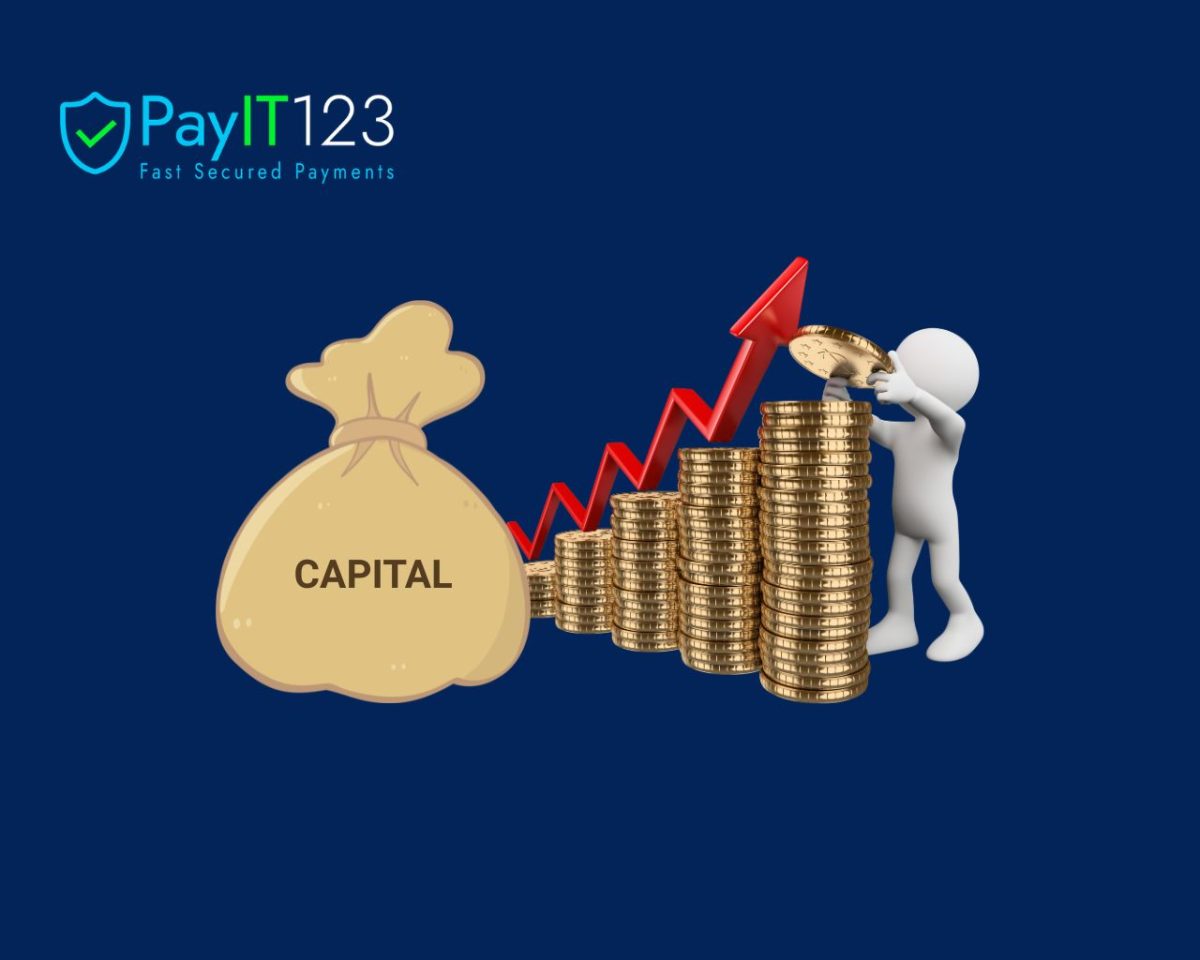
Compound interest is often called the “eighth wonder of the world” because of its remarkable ability to make money grow exponentially over time. Unlike simple interest, which earns interest only on the principal amount, compound interest earns interest on both the initial principal and the accumulated interest from previous periods. This can significantly boost your savings and investments, especially when you start early. Let’s break down how compound interest works and why it’s so powerful.

1. What is Compound Interest?

At its core, compound interest is the process of earning interest on interest. For example, if you invest $1,000 at a 5% annual interest rate, after one year, you’ll earn $50 in interest (5% of $1,000). The following year, you’ll earn 5% on $1,050, not just the original $1,000. This ongoing process of earning interest on the increasing balance is what makes compound interest so powerful.

2. How Does It Work?

The formula for compound interest is

A = P(1 + r/n)^(nt)

Where:

  • A is the amount of money accumulated after interest
  • P is the principal amount (the initial investment)
  • r is the annual interest rate (decimal)
  • n is the number of times interest is compounded per year
  • It is the number of years the money is invested or borrowed for

For example, if you invest $1,000 at 5% interest compounded annually for 10 years, your investment will grow much more than if the interest were only calculated on the initial $1,000.

3. The Power of Time

One of the most significant factors influencing the power of compound interest is time. The longer you leave your money to grow, the more powerful the effect. This is why it’s often advised to start investing as early as possible—because the earlier you start, the more time your money has to compound and grow.

For instance, investing $5,000 at an annual interest rate of 6% for 30 years will result in a much larger amount than investing the same $5,000 for only 10 years.

4. Real-World Applications

Compound interest is often used in savings accounts, investments, and retirement funds. For example, the money you invest in a 401(k) or IRA will grow with compound interest over time, significantly boosting your retirement savings.

Conclusion

Compound interest is a powerful tool for growing wealth, and understanding how it works can help you make smarter financial decisions. The earlier you start investing, the more time your money has to compound, allowing you to reap the rewards of this financial wonder.

#CompoundInterest #Investing #WealthBuilding #FinancialLiteracy #PersonalFinance #MoneyManagement

Understanding the Basics of Financial Planning

Introduction

Financial planning is an essential process for individuals and businesses alike. It involves setting goals, assessing current financial situations, and creating a roadmap to achieve those goals while managing financial risks. Whether you’re planning for retirement, saving for a major purchase, or seeking long-term business growth, a sound financial plan provides the structure needed to make informed decisions. Here’s a breakdown of the basics of financial planning and why it’s so important.

1. Setting Clear Financial Goals

The first step in any financial plan is defining clear, achievable goals. These goals can vary widely depending on whether you’re an individual or a business. For individuals, goals may include saving for a house, funding a child’s education, or preparing for retirement. For businesses, goals could focus on expanding operations, managing cash flow, or achieving profitability targets. By setting specific, measurable, and time-bound goals, you can create a framework for your financial plan and evaluate your progress along the way.

2. Assessing Your Current Financial Situation

Once your goals are set, the next step is to assess your current financial situation. This includes taking a close look at your income, expenses, assets, liabilities, and any existing investments. For businesses, this would involve reviewing financial statements, cash flow, and current debt levels. For individuals, a personal balance sheet can help you understand where you stand financially and highlight areas where improvements are needed. This assessment serves as the foundation for developing a plan that is realistic and achievable.

3. Creating a Budget and Managing Expenses

A key component of financial planning is budgeting. Whether for personal finances or a business, a budget outlines how money will be allocated across various categories, including savings, investments, and expenses. Effective budgeting ensures that you live within your means and prioritize your financial goals. For businesses, proper budgeting helps prevent overspending, monitor cash flow, and plan for future investments. Tracking and controlling expenses is critical to staying on track with your financial objectives.

4. Building a Savings and Investment Strategy

Financial planning isn’t just about managing expenses; it’s also about making your money work for you. A solid savings and investment strategy helps you grow wealth over time. This includes choosing the right investment vehicles—whether stocks, bonds, or retirement accounts—and building a diversified portfolio. For businesses, this could involve reinvesting profits into growth opportunities or ensuring sufficient working capital for ongoing operations.

5. Risk Management and Insurance

A comprehensive financial plan also includes provisions for risk management. This involves identifying potential risks—such as unexpected medical expenses, accidents, or market fluctuations—and taking steps to mitigate them. Insurance plays a key role in this, whether it’s health, life, business, or property insurance. Properly managing risk ensures that you can weather unexpected challenges without derailing your financial goals.

Conclusion

Financial planning is a vital process that helps individuals and businesses achieve their long-term objectives while managing risks. By setting clear goals, assessing your current financial situation, creating a budget, and implementing savings and investment strategies, you can take control of your financial future. Remember, a successful financial plan is adaptable and should be reviewed regularly to reflect any changes in circumstances or goals.

#FinancialPlanning #PersonalFinance #Budgeting #InvestmentStrategy #RiskManagement #FinancialGoals #MoneyManagement

Onramps for the Fashion Industry: E-Commerce Made Simple

Introduction

The fashion industry is rapidly evolving, with e-commerce driving its growth. As consumers increasingly turn to online platforms for shopping, fashion brands are looking for seamless ways to integrate digital solutions into their operations. This is where onramps for the fashion industry come in—providing an easy and efficient pathway for fashion brands to build and scale their e-commerce presence without the complexity and cost of traditional systems.

What Are E-Commerce Onramps?

E-commerce onramps are platforms, tools, and services that simplify online selling. For fashion brands, these onramps typically offer easy-to-use solutions for setting up online stores, managing payments, handling inventory, and delivering a smooth customer experience. They help brands navigate the complexities of the digital marketplace by providing streamlined solutions that focus on essential e-commerce functions, such as user interface design, payment processing, and shipping logistics.

These onramps enable businesses—whether startups or established brands—to sell online without extensive technical knowledge or costly infrastructure. This allows them to focus on what they do best: creating and selling great fashion.

Opportunities for the Fashion Industry

E-commerce onramps offer fashion brands opportunities to reach a global audience and compete in a fast-paced digital market. These platforms help businesses overcome common barriers to entry, such as website development, payment gateways, and online marketing, allowing them to establish a strong online presence quickly. By providing tools that streamline the customer journey —from browsing to checkout —these onramps enhance the overall shopping experience, improving customer retention and sales.

Moreover, onramps allow fashion brands to scale quickly by integrating with various online marketplaces, social media channels, and global shipping services. This flexibility enables brands to tap into new markets and reach customers worldwide, expanding their business without significant upfront costs.

How PayIT123 Supports Fashion E-Commerce

At PAYIT123, we specialize in providing comprehensive payment processing solutions tailored to the fashion industry’s needs. Our seamless integration of payment gateways, card processing, and onramp solutions enables fashion brands to accept payments from local and international customers easily. We also offer instant SEPA deposits, simplifying financial transactions for fashion retailers and allowing them to manage their e-commerce operations more efficiently.

With PAYIT123, fashion brands can confidently focus on their creative work while relying on our robust, secure payment solutions to handle the financial side of their e-commerce businesses.

Conclusion

E-commerce onramps are the perfect solution for fashion brands looking to navigate the digital marketplace. By offering user-friendly tools and streamlined processes, these platforms make it easier for brands to set up and grow their online presence. With the support of reliable partners like PAYIT123, fashion businesses can unlock new opportunities, expand their reach, and thrive in the ever-evolving digital landscape.

#FashionEcommerce #EcommerceSolutions #PayIT123 #FashionIndustry #OnrampSolutions #DigitalRetail #FashionBusiness #OnlineShopping #PaymentProcessing #FashionGrowth

The Impact of Cryptocurrency Onramps on Global Trade

Overview
Cryptocurrency is reshaping global trade in ways that were unimaginable just a decade ago. One of the key enablers of this transformation is the concept of cryptocurrency on-ramps—platforms that allow users to convert fiat currency into digital assets, such as Bitcoin, Ethereum, and other cryptocurrencies. These onramps have lowered the barriers to entry for individuals and businesses, facilitating faster, more transparent, and often more cost-effective cross-border transactions. Here’s a closer look at how cryptocurrency onramps are impacting global trade.

  1. Faster Cross-Border Transactions
    Traditional international payments can take several days to process, involving multiple banks, intermediaries, and compliance checks. Cryptocurrency onramps streamline this process by allowing businesses to convert fiat money into cryptocurrency and transfer it directly across borders. Transactions are settled in minutes, rather than days, reducing trade delays and improving cash flow. This speed is particularly beneficial for small and medium-sized enterprises (SMEs) that operate internationally and need quick access to funds.
  2. Reduced Transaction Costs
    Cross-border trade often comes with high transaction fees due to bank charges, currency conversions, and intermediary costs. Cryptocurrency onramps significantly reduce these costs by enabling direct transfers between parties without relying on traditional banking systems. This allows businesses to save money on international transactions, making global trade more accessible and economically efficient. Lower transaction costs also promote smaller-scale international trade, enabling more businesses to participate in global markets.
  3. Increased Financial Inclusion
    Many regions around the world lack access to reliable banking services, making international trade challenging for local businesses. Cryptocurrency onramps offer an alternative financial infrastructure, enabling individuals and companies in underbanked areas to engage in global trade. By providing a way to send and receive funds securely without a traditional bank account, onramps expand economic opportunities and empower businesses in emerging markets.
  4. Enhanced Transparency and Security
    Blockchain technology, which underpins most cryptocurrencies, ensures that transactions are secure, verifiable, and tamper-resistant. Cryptocurrency onramps enable businesses to participate in a system where every transaction is recorded transparently, reducing the risk of fraud and disputes in international trade. This level of transparency fosters trust between trading partners and streamlines cross-border compliance and auditing processes.
  5. Challenges and Considerations
    While cryptocurrency onramps offer numerous benefits, they also come with challenges. Regulatory uncertainty, price volatility, and cybersecurity risks continue to be significant concerns for businesses. Companies must carefully evaluate onramp providers, ensure compliance with local laws, and adopt risk management strategies when using cryptocurrency for international trade.
    Conclusion
    Cryptocurrency onramps are revolutionizing global trade by enabling faster, more cost-effective, and transparent cross-border transactions. They enhance financial inclusion, empower SMEs, and provide a secure platform for international commerce. While challenges remain, the continued adoption of onramps is likely to reshape global trade dynamics, creating new opportunities and efficiencies for businesses worldwide.

#Cryptocurrency #GlobalTrade #CryptoOnramps #CrossBorderPayments #Blockchain #FinancialInclusion #InternationalBusiness #DigitalCurrency #TradeInnovation #CryptoEconomy

The Benefits of Partnering with Visa/Mastercard for Card Services

Introduction
Partnering with global payment giants like Visa and Mastercard can provide numerous benefits to businesses looking to offer card services to their customers. These two companies dominate the global payment ecosystem, facilitating billions of transactions yearly. Whether you’re an issuer, merchant, or financial institution, collaborating with Visa or Mastercard can significantly enhance your offerings, improve customer experience, and help you scale your business. Here’s a look at the key benefits of partnering with Visa and Mastercard for card services.

  1. Global Acceptance
    One of the most significant advantages of partnering with Visa or Mastercard is the global acceptance of their cards. Both companies have established an extensive network across 200+ countries and territories, making their cards widely recognized and accepted by merchants, ATMs, and financial institutions worldwide. By offering Visa or Mastercard-branded cards, customers can shop, withdraw cash, and make payments virtually anywhere, ensuring seamless transactions across borders.
    This global reach is invaluable for businesses looking to serve international customers or expand their operations into new markets.
  2. Robust Security Features
    Visa and Mastercard are renowned for their advanced security technologies, which help protect cardholders and businesses from fraud. Both companies have implemented EMV chip technology, tokenization, and multi-factor authentication to ensure secure transactions.
    Visa’s Verified by Visa and Mastercard’s Mastercard SecureCode provide additional security for online payments, reducing the likelihood of fraud and chargebacks. By partnering with Visa or Mastercard, you’re leveraging their cutting-edge security infrastructure, which safeguards your customers and builds trust in your brand.
  3. Comprehensive Support and Resources
    Visa and Mastercard offer a wealth of resources and support for their partners. From marketing materials and technical guidance to training programs, partnering with these payment giants gives you access to various tools that can help you enhance your card offerings and improve customer service.
    Both companies provide customer service support, helping your business resolve issues quickly and efficiently, whether assisting customers with fraud protection, disputes, or transaction questions. Visa and Mastercard’s dedicated support teams are a valuable asset for businesses and their customers.
  4. Innovative Payment Solutions
    Visa and Mastercard are at the forefront of payment innovation. Their technology supports the latest trends in digital payments, including contactless payments, mobile wallets, tokenization, and cryptocurrency integrations. By partnering with these companies, you can access next-gen payment solutions that enhance your offerings and keep you competitive in an evolving financial landscape.
    This commitment to innovation ensures that your business can offer your customers the latest and most convenient payment options, leading to increased customer satisfaction and retention.
  5. Brand Trust and Recognition
    Visa and Mastercard have built strong brand recognition and trust over the decades. Their logos are synonymous with security, reliability, and global reach, instilling customer confidence. By issuing Visa or Mastercard-branded cards, your business aligns with these reputable companies, enhancing your brand’s credibility.
    Customers are more likely to choose a Visa or Mastercard-backed card because they know their transactions are protected and accepted worldwide. This can drive higher adoption rates and customer loyalty.
    Conclusion
    Partnering with Visa or Mastercard for card services provides your business unparalleled access to a global payment network, advanced security features, innovative payment solutions, and comprehensive support. These benefits improve the customer experience and enhance your business’s ability to scale and stay competitive in a rapidly changing financial ecosystem. By leveraging the trusted infrastructure and cutting-edge technology of Visa and Mastercard, your business can offer world-class card services that meet the needs of modern consumers.

#Visa #Mastercard #CardServices #PaymentSolutions #FinancialServices #GlobalPayments #PaymentSecurity #DigitalPayments #FinTech #CustomerExperience

Tips for Optimizing Payment Systems for International Customers

Introduction
As businesses expand globally, offering seamless and efficient payment systems for international customers is essential for success. Managing international payments can be complex with diverse currencies, regulations, and preferences. However, optimizing your payment system for global customers can enhance user experience, reduce friction, and drive higher conversion rates. Here are some key tips for optimizing payment systems for international customers.

  1. Support Multiple Currencies
    One of the primary challenges of international payment processing is handling multiple currencies. Ensure your payment system supports various currencies to cater to customers from different regions. This allows customers to pay in their preferred currency, providing a more personalized and streamlined experience. Payment gateways like PayPal, Stripe, and Square offer multi-currency support, which can help eliminate currency conversion fees and simplify transactions for your global clientele.
  2. Offer Local Payment Methods
    Different countries have different payment preferences. While credit and debit cards are standard, certain regions prefer alternative payment methods like Alipay in China, iDEAL in the Netherlands, or UPI in India. Research your target markets to understand popular payment methods and integrate them into your system. Providing local payment options improves convenience and boosts customer trust by offering payment methods they are familiar with.
  3. Implement Seamless Currency Conversion
    In addition to multi-currency support, ensure that your payment system allows easy and transparent currency conversion. If customers must pay in a different currency, they should see the exchange rate and any fees upfront. This reduces the chance of unexpected charges and increases customer satisfaction. Tools like Wise or Revolut can help integrate efficient and fair currency conversion rates into your payment platform.
  4. Ensure Compliance with Local Regulations
    Each country has payment processing regulations, particularly regarding fraud prevention, taxes, and data security. For instance, the GDPR in the European Union or the PCI DSS’s global standards must be adhered to when handling international payments. Ensure your payment system complies with local laws to avoid legal issues, penalties, and data breaches. Partnering with payment processors that handle compliance, such as Adyen or Stripe, can simplify this process.
  5. Optimize for Mobile Payments
    Many international customers use mobile payment solutions, especially in Asia and Africa. Ensure your mobile-friendly payment system integrates with popular mobile payment methods such as Apple Pay, Google Pay, or regional mobile wallets. A mobile-optimized payment experience boosts convenience and encourages more customers to complete their purchases.
  6. Provide Transparent fees
    Clear communication about fees, taxes, and delivery charges is crucial in international transactions. Ensure customers know any additional costs related to their purchases before they check out. Transparency in pricing reduces cart abandonment and enhances customer trust.
    Conclusion
    Optimizing your payment system for international customers involves offering multiple currency options, local payment methods, seamless currency conversion, and adhering to local compliance standards. By focusing on these areas, businesses can provide a smooth, secure, and convenient experience for global customers, ultimately driving higher satisfaction and increasing conversions.

#InternationalPayments #PaymentSystems #Ecommerce #GlobalBusiness #CustomerExperience #PaymentOptimization #MobilePayments

Top Payment Processing Mistakes and How to Avoid Them

Introduction
In today’s digital economy, seamless payment processing is crucial for maintaining customer satisfaction and ensuring smooth business operations. However, many businesses make common mistakes that can lead to delays, chargebacks, and lost revenue. Understanding these pitfalls and taking proactive steps to avoid them is key to keeping your payment systems efficient, secure, and customer-friendly. Here are some top payment processing mistakes and how to avoid them.

  1. Not Using a Secure Payment Gateway
    A business’s most critical mistake is failing to use a secure payment gateway. Processing payments without encryption or proper security protocols puts customer data at risk and increases the likelihood of fraud. To avoid this, always choose a payment processor that complies with Payment Card Industry Data Security Standard (PCI DSS) requirements and offers end-to-end encryption for every transaction.
  2. Ignoring Mobile Payment Compatibility
    With the rise of mobile payments, ensuring that your payment system is compatible with popular mobile wallets like Apple Pay, Google Pay, and Samsung Pay is essential. Failing to accommodate these payment methods means missing out on many potential customers. Ensure your payment processor supports mobile wallets and provides a smooth, frictionless payment experience for mobile users.
  3. Lack of Transparency in Fees
    Hidden fees can be a significant headache for businesses and customers alike. Many merchants are unaware of the various fees associated with payment processing, such as transaction fees, setup fees, and chargeback fees. To avoid this mistake, choose a payment provider with clear, transparent pricing and make sure you understand all potential costs upfront.
  4. Not Testing Your Payment System Regularly
    Another common mistake is neglecting the regular testing of your payment processing system. System outages or glitches can lead to lost sales and frustrated customers. Ensure your payment gateway is operational by running regular tests and monitoring performance. This helps identify issues early and ensures smooth transactions at all times.
  5. Failing to Comply with Local Regulations
    Payment processing regulations can vary by country or region. Failing to adhere to local laws, such as sales tax or consumer protection regulations, can result in legal issues or fines. Make sure your payment system is compliant with the relevant legal requirements in the jurisdictions in which you operate.
    Conclusion
    Payment processing is a crucial aspect of any business, and avoiding these common mistakes can save you time, money, and customer trust. By prioritizing security, mobile compatibility, transparency, regular testing, and compliance, you can streamline your payment systems and enhance the overall customer experience.

PaymentProcessing #BusinessTips #CustomerExperience #PaymentSecurity #DigitalPayments #Ecommerce

How to Scale Your Payment Solutions as Your Business Grows

Introduction
As your business expands, so do the demands of your payment processing systems. Scaling your payment solutions to handle increasing transactions, new customer segments, and global markets is essential for maintaining efficiency and providing a seamless customer experience. Here are key strategies to ensure your payment infrastructure grows with your business.

  1. Choose a Scalable Payment Processor
    As your business grows, it’s important to choose a payment processor that can handle increased transaction volume and support future needs. Look for payment processors like Stripe, PayPal, or Adyen that offer flexible, scalable solutions. These platforms can support everything from one-time payments to subscriptions, and they allow businesses to expand into new regions without needing to change systems. Make sure your chosen processor integrates with your existing software and provides robust fraud protection and security features.
  2. Integrate Multiple Payment Methods
    As your business reaches more diverse markets, offering multiple payment options becomes essential. Not all customers prefer the same payment methods—some may prefer credit and debit cards, while others may prefer mobile wallets, bank transfers, or even cryptocurrency. By integrating a range of payment methods, you can provide customers with the flexibility they want and increase conversion rates. Popular options like Apple Pay, Google Pay, Alipay, and even Buy Now Pay Later options (like Klarna) can help cater to different customer preferences.
  3. Enhance Security and Compliance
    As your business grows, so do the risks associated with payment processing. It’s essential to ensure that your payment system remains secure and compliant with global regulations. Adhering to PCI DSS (Payment Card Industry Data Security Standard) is crucial for safeguarding sensitive payment data. Consider using tokenization and encryption methods to enhance security. Regularly review your system’s compliance with privacy laws, such as GDPR in Europe or other regional data protection regulations, to avoid costly fines.
  4. Optimize for Mobile and International Markets
    With the increase in mobile shopping and global expansion, optimizing your payment system for mobile devices and international customers is necessary. Ensure your payment solution is mobile-friendly, offering a smooth, user-friendly checkout process on smartphones and tablets. For international growth, implement multi-currency support and local payment options to accommodate diverse customer bases, reducing friction and improving customer satisfaction.
  5. Automate and Monitor
    As your transaction volume increases, automation becomes key to efficiency. Utilize tools that automate invoicing, payment collection, and reconciliation. Monitoring tools also help track transaction trends, identify potential fraud, and ensure timely reporting. This proactive approach ensures that your payment system remains reliable as your business scales.
    Conclusion
    Scaling your payment solutions requires forward-thinking strategies that address growing customer needs, increased transaction volumes, and evolving security requirements. By choosing scalable payment processors, diversifying payment methods, enhancing security, and optimizing for mobile and international markets, your business can easily handle growth and continue to provide a seamless customer experience.

PaymentProcessing #ScalingBusiness #DigitalPayments #Ecommerce #Fintech #MobilePayments #BusinessGrowth

The Rise of Mobile Payments and What It Means for Your Business

Introduction
The way consumers pay for goods and services is evolving rapidly, with mobile payments becoming increasingly prevalent worldwide. From tapping smartphones at the checkout to making purchases through apps, mobile payments offer convenience, speed, and security that traditional payment methods struggle to match. For businesses, embracing this trend is no longer optional—it’s essential for staying competitive and meeting customer expectations. Here’s what the rise of mobile payments means for your business.

  1. Enhancing Customer Convenience
    Mobile payments streamline checkout by allowing customers to pay quickly and securely using their smartphones or wearable devices. There is no need for cash or cards—just a tap or scan. This convenience can significantly improve the customer experience by reducing wait times and eliminating friction at the point of sale. Businesses that offer mobile payment options are more likely to attract tech-savvy customers who prioritize speed and ease.
  2. Increasing Sales Opportunities
    By accepting mobile payments, businesses open up new sales channels. Mobile wallets like Apple Pay, Google Pay, and Samsung Pay are integrated into many smartphones, making it easier for customers to make spontaneous in-store and online purchases. Mobile payment solutions can also facilitate seamless transactions within mobile apps and websites, boosting conversion rates and expanding your market reach.
  3. Boosting Security and Reducing Fraud
    Mobile payment platforms often incorporate advanced security features such as tokenization, biometric authentication, and encryption. These technologies reduce the risk of fraud and protect sensitive customer data better than traditional magnetic stripe cards. This means lower liability for fraudulent transactions and increased business customer trust.
  4. Gaining Valuable Customer Insights
    Many mobile payment systems come with analytics tools that provide businesses with detailed data about customer spending habits and preferences. This information can be leveraged to tailor marketing campaigns, optimize inventory, and improve customer loyalty programs, ultimately driving growth.
  5. Staying Competitive in a Digital World
    As mobile payment adoption grows, businesses that fail to adapt risk losing customers to competitors who offer more flexible and modern payment options. Embracing mobile payments demonstrates your commitment to innovation and customer-centric service.
    Conclusion
    The rise of mobile payments is reshaping the retail landscape, offering benefits beyond convenience. By integrating mobile payment solutions, businesses can enhance customer experience, increase sales, boost security, and gain actionable insights. Staying ahead of this trend is key to thriving in today’s fast-paced, digital-first marketplace.

MobilePayments #DigitalPayments #CustomerExperience #BusinessGrowth #Fintech #SecurePayments #Innovation #RetailTrends #PaymentSolutions

Key Features to Look for in a Payment Processing Solution

Background
Selecting the right payment processing solution is crucial for any business aiming to provide seamless, secure, and efficient transactions. With countless options available, understanding the key features to look for can help you choose a system that meets your business needs while enhancing customer experience. Here’s a guide to the essential features every payment processing solution should offer.

  1. Security and Compliance
    Security is paramount in payment processing. Look for solutions that offer end-to-end encryption, tokenization, and compliance with industry standards like PCI DSS (Payment Card Industry Data Security Standard). Ensuring the provider adheres to these protocols protects sensitive customer data from breaches and fraud. Additionally, solutions with built-in fraud detection and prevention tools add an extra layer of protection.
  2. Multi-Channel Payment Support
    Your payment processor should support multiple payment channels, including online, in-store, and mobile payments. This flexibility allows you to cater to customers’ preferences, whether they shop via an e-commerce website, mobile app, or physical store. Look for processors that handle credit and debit cards, digital wallets (like Apple Pay and Google Pay), bank transfers, and alternative payment methods.
  3. Ease of Integration
    A payment processing solution should seamlessly integrate with your existing systems, such as your website, point-of-sale (POS) system, or accounting software. Easy integration minimizes setup time and reduces the risk of technical issues. Providers offering APIs, plugins, or SDKs simplify the integration process and allow customization to fit your business workflow.
  4. Transparent Pricing
    Understanding the pricing structure is vital to avoid unexpected costs. Look for payment processors with transparent fees, including transaction fees, monthly charges, chargeback fees, and any setup costs. Some providers offer flat-rate pricing, while others charge variable fees. Choose a pricing model that aligns with your transaction volume and business model.
  5. Fast and Reliable Transaction Processing
    Speed matters. A good payment processor ensures transactions are processed quickly and reliably, reducing customer wait times. Delays can lead to cart abandonment in e-commerce or dissatisfaction in physical stores. Check the provider’s uptime guarantees and average transaction speeds to ensure consistent performance.
  6. Reporting and Analytics
    Insightful reporting tools help you monitor sales, track transaction history, and analyze customer behavior. Payment processors that offer detailed dashboards and customizable reports enable you to make data-driven business decisions, identify trends, and optimize your operations.
    Final Words
    Choosing the right payment processing solution involves evaluating security features, payment channel support, ease of integration, pricing transparency, transaction speed, and reporting capabilities. Prioritizing these key features ensures a smooth payment experience that builds customer trust and supports business growth.

PaymentProcessing #Fintech #SecurePayments #Ecommerce #POS #PaymentSolutions #BusinessGrowth #CustomerExperience #PaymentSecurity #TransactionProcessing