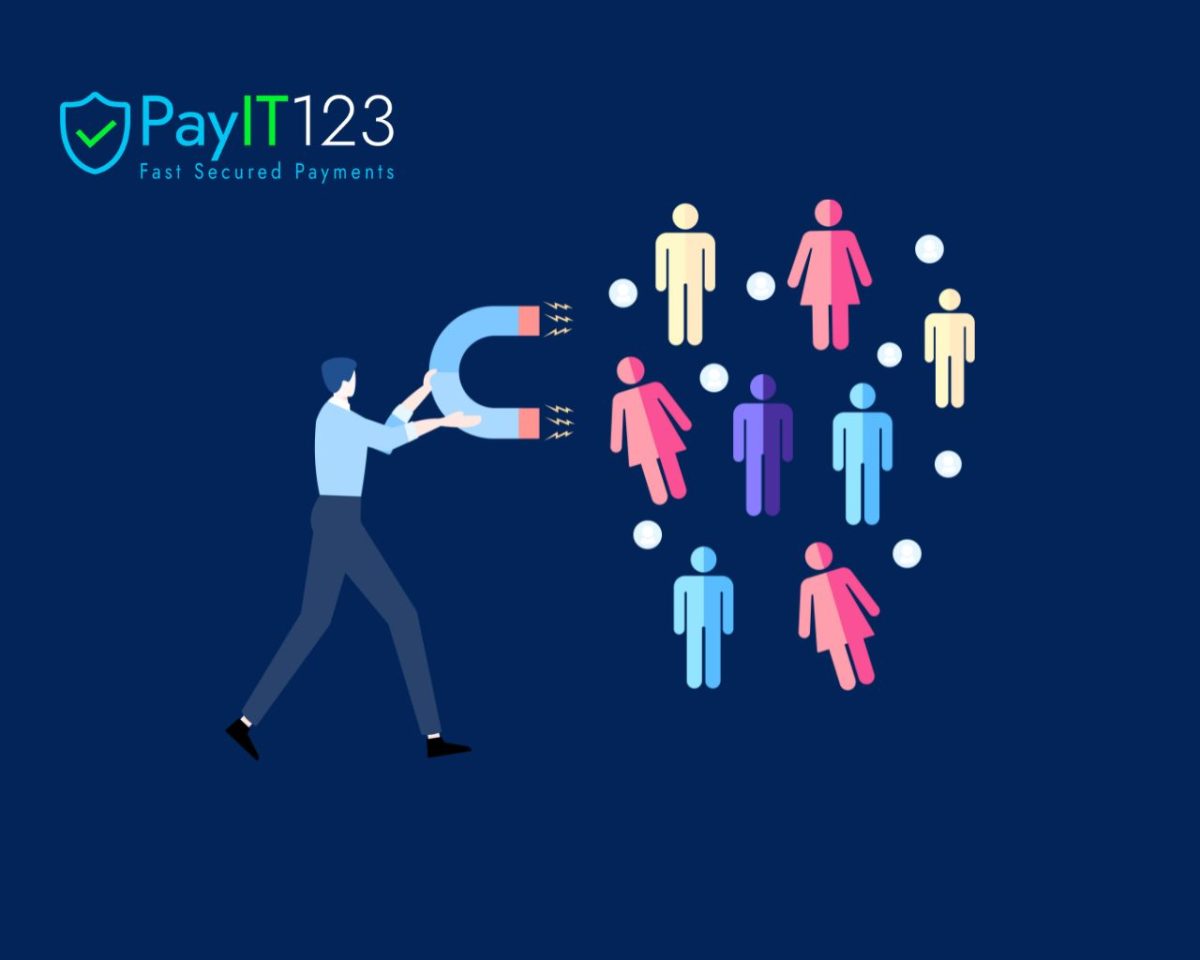
How to Enhance Cardholder Engagement and Retention

Introduction
In today’s competitive financial services landscape, cardholder engagement and retention are crucial for the long-term success of card issuers. Engaged cardholders are more likely to use their cards regularly, participate in loyalty programs, and maintain long-term relationships with their card issuers. Retaining existing cardholders is more cost-effective than acquiring new ones, so it’s essential to focus on strategies that foster deeper engagement. Here’s how financial institutions can enhance cardholder engagement and retention:

  1. Personalize Communication and Offers
    Personalization is key to building a strong connection with cardholders. Use data-driven insights to understand cardholders’ spending behaviors, preferences, and needs. Tailor offers, rewards, and communications to each individual based on this data. For example, if a cardholder frequently shops for groceries, offer them personalized discounts or bonus rewards for grocery purchases. Personalized offers make cardholders feel valued and increase their likelihood of staying engaged with the card issuer.
  2. Offer Rewards and Loyalty Programs
    One of the most effective ways to keep cardholders engaged is by offering rewards and loyalty programs. Cardholders who feel like they’re getting something in return for their spending are more likely to continue using their cards. Consider introducing tiered loyalty programs where cardholders earn more rewards for using their card more frequently. Offering flexible reward options, such as cash back, travel points, or gift cards, allows cardholders to choose rewards that match their lifestyle, thereby boosting satisfaction and loyalty.
  3. Provide Seamless Digital Experiences
    With the rise of mobile banking and contactless payments, cardholders expect a seamless digital experience. Ensure that your cardholder portal or mobile app is user-friendly, secure, and offers valuable features such as transaction tracking, bill payments, and fraud alerts. Providing convenient features like digital wallets and mobile payment options enhances the overall experience for cardholders, making it easier for them to manage their cards on the go. The more convenient and integrated your digital platform is, the more likely cardholders will stay engaged.
  4. Foster Customer Support and Education
    Providing exceptional customer support is crucial for customer retention. Cardholders should have easy access to support channels, whether through phone, chat, email, or social media. Timely and effective problem resolution helps build trust and loyalty. Additionally, providing educational resources about your card’s features, rewards program, and security benefits helps cardholders maximize the value of their card. Educated cardholders are more likely to use their cards more often and appreciate the full range of benefits available.
  5. Regularly Gather Feedback and Act on It
    Engagement and retention are closely linked to how well you understand your cardholders’ needs and preferences. Regularly solicit feedback through surveys, polls, or reviews, and use the information gathered to improve your services continually. If cardholders feel their feedback is valued and see changes being made based on their input, they are more likely to remain loyal. A proactive approach to addressing concerns and improving services demonstrates a commitment to customer satisfaction.
  6. Incorporate Gamification
    Gamification can be a fun and effective way to increase cardholder engagement. Incorporating game-like features, such as achievement badges or progress bars, into your rewards program or mobile app can enhance the overall experience. Cardholders can track their progress, earn rewards for completing challenges, or participate in limited-time promotions to keep things fresh and exciting.

    Conclusion
    Enhancing cardholder engagement and retention requires a multi-faceted approach, including personalized communication, rewarding loyalty, seamless digital experiences, excellent customer support, and regular feedback. By implementing these strategies, financial institutions can foster stronger relationships with their cardholders, ultimately driving long-term engagement and boosting retention rates.

#CardholderEngagement #CustomerRetention #LoyaltyPrograms #Personalization #CustomerExperience #DigitalBanking #RewardsProgram #FinancialServices #CustomerSatisfaction #Gamification

How to Address Common Challenges in Card Issuance and Processing

Introduction
Card issuance and processing are crucial components of the financial services industry, but they also present their own set of challenges. From ensuring security to optimizing customer experience, financial institutions must navigate several hurdles to ensure smooth operations. Here’s how to address some of the most common challenges in card issuance and processing.

  1. Security Concerns and Fraud Prevention
    Security is a top priority for both financial institutions and cardholders. Card fraud, data breaches, and identity theft are persistent issues that can damage customer trust and economic stability. To address these risks, institutions must implement advanced security measures such as tokenization and encryption. Tokenization replaces sensitive card details with a unique identifier, making it much harder for hackers to access valuable information.
    Additionally, multi-factor authentication (MFA) and biometric verification (such as fingerprint or facial recognition) should be employed to provide an extra layer of security for transactions and account access. These measures help reduce fraudulent activity and give customers peace of mind.
  2. Regulatory Compliance
    The financial industry is heavily regulated, and card issuers must comply with numerous local and global regulations, including KYC (Know Your Customer) and AML (Anti-Money Laundering) laws, as well as GDPR for data protection. Meeting these regulatory standards while ensuring smooth card issuance and processing can be a challenge.
    To stay compliant, institutions should leverage RegTech (Regulatory Technology) solutions that automate compliance tasks such as identity verification, AML checks, and transaction monitoring. These tools help ensure that card issuance processes meet regulatory requirements without sacrificing efficiency. Regularly updating internal procedures to reflect changes in laws is also essential for avoiding penalties and maintaining business integrity.
  3. Customer Experience and Engagement
    A significant challenge in card issuance is providing an optimal customer experience. A poor onboarding process, delayed card delivery, or a lack of personalized features can result in customer dissatisfaction and increased attrition. To improve the experience, streamline the application and approval processes. Implement instant card issuance and allow for digital card options that can be used immediately for online transactions.
    Additionally, integrating customer support channels within mobile apps and websites can enhance engagement. Offering personalized rewards and loyalty programs tailored to customers’ spending habits can also help keep cardholders engaged and satisfied.
  4. Operational Efficiency and Cost Control
    Card issuance involves multiple steps, including application processing, identity verification, card production, and shipping. Managing these processes efficiently while keeping costs under control is a common challenge for financial institutions. Implementing automation for routine tasks, such as data entry and verification, can speed up the process, reduce errors, and lower operational costs.
    By utilizing cloud-based card processing platforms, institutions can scale their operations without incurring significant investments in physical infrastructure, thereby enabling greater flexibility and long-term cost savings.
  5. Cardholder Data Management
    With large volumes of sensitive cardholder data, maintaining accurate and up-to-date records is crucial. Inefficient data management can lead to errors, delays, and security risks. To mitigate this, financial institutions should invest in secure data storage solutions that allow for easy retrieval and management of cardholder information. Automated systems can also help flag discrepancies or outdated information, ensuring accurate records are maintained.
    Conclusion
    Addressing the challenges in card issuance and processing requires a combination of technology, compliance, security, and customer-centric practices. By implementing advanced security measures, automating compliance tasks, improving customer engagement, and streamlining operations, financial institutions can overcome these obstacles and create a more efficient and secure card issuance process.

#CardIssuance #CardProcessing #Security #FraudPrevention #CustomerExperience #RegulatoryCompliance #Fintech #Automation #DataManagement #OperationalEfficiency

Best Practices for Onboarding New Cardholders

Introduction
Onboarding new cardholders effectively is crucial for financial institutions to ensure that customers feel welcomed, informed, and confident in their latest financial products. A seamless and engaging onboarding process can increase customer satisfaction, enhance card usage, and improve long-term retention. Below are some best practices for onboarding new cardholders and establishing a strong, successful relationship.

  1. Clear and Welcoming Communication
    The first step in onboarding new cardholders is clear, welcoming communication. As soon as the cardholder receives their new card, they should be greeted with an email or message that provides a warm welcome and introduces them to the benefits of their new card. This message should include essential details, such as instructions on how to activate the card, its usage, and a reminder of any introductory offers, rewards, or bonuses. The tone should be friendly, and the message should emphasize the value of their new financial tool.
  2. Easy Card Activation
    The card activation process should be straightforward to follow. Providing multiple channels for activation, such as through a mobile app, website, or phone call, can make it more convenient for new cardholders. Instant activation options can enhance customer satisfaction by enabling them to start using their card immediately. The activation process should also include security measures, such as verification steps, to ensure the cardholder’s protection from fraud.
  3. Introduce Key Features and Benefits
    New cardholders may not be fully aware of the features and benefits their card offers. Take the time to educate them about key perks such as rewards programs, cashback offers, travel benefits, and any security features like fraud protection or alerts. A user-friendly guide or video tutorials can help cardholders understand how to maximize the value of their card and take advantage of these offerings. Engaging content ensures they are fully aware of what the card can do for them.
  4. Provide Access to a Dedicated Customer Support Team
    New cardholders may have questions or require assistance as they become familiar with their card. Offering easy access to a dedicated customer support team is essential. Provide various communication channels, including chat support, phone support, and email, so cardholders can reach out in a way that’s most convenient for them. A dedicated support team ensures cardholders feel supported and valued from the outset, building trust and loyalty.
  5. Encourage App and Online Banking Setup
    Encouraging new cardholders to download your mobile app or set up online banking access is vital for a modern and convenient experience. The app should provide access to real-time transaction tracking, payment management, rewards tracking, and the ability to make payments or request assistance. Simplifying this process during onboarding can empower new cardholders to manage their accounts on their terms.
  6. Set Expectations for Future Communication
    During onboarding, be transparent about how and when new cardholders will receive important updates. Please let them know when they can expect to hear about new statements, offers, or special promotions. Setting expectations about communication preferences, such as opting into email notifications or SMS alerts, helps cardholders stay informed and engaged.
  7. Personalize the Experience
    Whenever possible, offer personalized experiences during the onboarding process. Use the information you have about the cardholder’s preferences or spending habits to tailor offers, rewards, or communication strategies. Personalization can make cardholders feel more valued and improve their overall experience with the product.
    Conclusion
    Onboarding new cardholders is more than just handing over a credit card; it’s an opportunity to set the stage for a long-term, positive relationship. By offering clear communication, simple activation, education on card benefits, access to support, and personalization, you can ensure a seamless onboarding experience that encourages cardholders to engage with their new card and become long-term, satisfied customers.

#CardholderOnboarding #CustomerEngagement #CustomerExperience #CreditCardOnboarding #FinancialServices #CardholderRetention #MobileBanking #PersonalizedExperience #CustomerSupport

Understanding the Role of Issuer Processors in the Payment Ecosystem

Beginning
In today’s fast-paced digital economy, the payment ecosystem is complex, involving various players working together to facilitate smooth and secure transactions. Among these key players are issuer processors, who play a vital role in facilitating card transactions. Although often behind the scenes, issuer processors play a crucial role in the operations of financial institutions, merchants, and consumers. Here’s a breakdown of the role issuer processors play in the payment ecosystem and why they are essential to the smooth functioning of card payments.

  1. What is an Issuer Processor?
    An issuer processor is a company or service provider that facilitates the processing of payments for issuers—the financial institutions, such as banks or credit unions, that issue credit or debit cards. When a cardholder makes a purchase, the issuer processor acts as an intermediary, handling the technical aspects of the transaction and ensuring that funds are properly debited or credited. They work in collaboration with payment networks (such as Visa or Mastercard) to ensure that payments are routed to the appropriate bank accounts and that the transaction is completed smoothly.
  2. Transaction Authorization
    When a customer makes a payment, the issuer processor is responsible for authorizing the transaction. It verifies that the cardholder has sufficient funds or credit to complete the purchase and checks for any fraud alerts or unusual activities. This step involves verifying the transaction details against the issuer’s internal systems, including balance checks, fraud detection protocols, and transaction limits. If everything checks out, the issuer processor sends an authorization approval to the merchant, allowing the transaction to go through.
  3. Settlement and Fund Transfer
    Once the transaction is authorized, the issuer processor is also responsible for settling the transaction. This involves transferring funds from the cardholder’s account to the merchant’s account. The issuer processor ensures that the payment is made correctly and that any fees or charges are applied accurately. They also handle the reconciliation of payments, ensuring that both the issuer and the merchant are appropriately credited and debited as needed.
  4. Security and Compliance
    Issuer processors play a critical role in ensuring security and compliance with industry standards. They are responsible for implementing and maintaining PCI DSS (Payment Card Industry Data Security Standard) compliance, which ensures the protection of cardholder data during transactions. They also help identify and mitigate fraud risks by using sophisticated fraud detection tools, ensuring that unauthorized transactions are flagged before they cause financial harm.
  5. Enabling Innovation and Enhancements
    In addition to their core functions, issuer processors also enable financial institutions to offer innovative features such as contactless payments, mobile wallets, and virtual cards. They provide the infrastructure that supports new payment technologies, helping issuers stay competitive in an ever-evolving market. By offering customizable solutions and tools, issuer processors help issuers enhance their customer experience and stay up-to-date with the latest trends in digital payments.
    In Conclusion
    Issuer processors play a crucial role in the payment ecosystem, serving as the bridge between cardholders, issuers, and merchants. They are responsible for authorizing transactions, ensuring compliance, managing funds, and enabling the latest payment technologies. As digital payments continue to grow, the role of issuer processors will remain essential to providing secure, efficient, and innovative payment solutions.

#IssuerProcessors #PaymentEcosystem #DigitalPayments #FraudPrevention #CardPayments #PaymentProcessing #PaymentSecurity #Fintech #BankingInnovation #CardholderExperience

The Importance of Customer Experience in Card Issuance

Introduction
In today’s highly competitive financial landscape, customer experience (CX) is a critical factor that can significantly impact the success of card issuance programs. Whether you’re issuing credit cards, debit cards, or prepaid cards, delivering a seamless, positive experience throughout the cardholder’s journey is key to building loyalty, fostering trust, and increasing customer retention. Here’s why customer experience is crucial in card issuance and how financial institutions can optimize it.

  1. First Impressions Matter: The Application Process
    The card issuance process begins with the application, and it’s essential to make this step as user-friendly and efficient as possible. A lengthy, complicated application process can frustrate potential customers and lead to abandonment. Simplifying the application, whether online or through a mobile app, makes it easier for customers to sign up. Offering real-time status updates on the application’s progress further enhances the experience, providing customers with transparency and confidence.
    Personalized offers based on the applicant’s needs or preferences can also increase satisfaction. To make a lasting positive first impression, the application process should feel seamless, quick, and efficient.
  2. Card Design and Delivery
    Once an applicant has been approved, the next phase of the experience is the card design and delivery process. The card’s design plays a surprisingly significant role in customer satisfaction. Cardholders want a card that reflects their personality, values, or status—a premium credit card with unique features or a sleek, modern debit card. Customization options, such as choosing a card design or adding a personal image, can make the experience more personal and engaging.
    Additionally, the speed and efficiency of card delivery are vital. Customers expect their new card to arrive promptly and in perfect condition. Delays in delivery or packaging issues can create frustration, making a seamless and timely delivery process essential to a positive experience.
  3. Ongoing Support and Engagement
    The experience doesn’t end once the card is issued. Offering ongoing customer support is essential for maintaining a strong relationship with cardholders. Whether it’s through a dedicated customer service line, online chat support, or a mobile app, accessible support channels allow customers to resolve issues quickly and efficiently.
    In addition, engaging customers with relevant notifications and exclusive offers can enhance the cardholder experience. For example, sending personalized alerts about spending patterns or offering loyalty rewards for card usage can make cardholders feel valued and incentivized to use their cards more frequently.
  4. Security and Fraud Prevention
    A significant aspect of customer experience is security. Cardholders want to feel confident that their financial data is protected. Implementing advanced security features, such as chip technology, fraud monitoring, and instant card lock features, reassures customers that their information is safe. Additionally, clear communication about security measures and how customers can protect themselves builds trust and strengthens the overall experience.
  5. Post-Issuance Feedback and Continuous Improvement
    Finally, obtaining feedback from cardholders after the card is issued can provide invaluable insights into areas for improvement. Regularly surveying customers about their experiences with card usage, customer service, and the overall process helps identify pain points and opportunities to enhance the cardholder journey.
    Conclusion
    The customer experience in card issuance directly influences cardholder satisfaction, loyalty, and long-term retention. Each touchpoint matters, from the ease of the application process to the card’s design, ongoing support, and security. Financial institutions must prioritize customer experience at every stage of the card issuance journey to build strong relationships, differentiate from competitors, and ensure the success of their card programs.

#CustomerExperience #CardIssuance #Banking #FinancialServices #CustomerSatisfaction #CardholderEngagement #FinancialTechnology #UserExperience #Loyalty #CustomerJourney

Security Measures for Visa/Mastercard Issuers: Best Practices

Introduction
As the world becomes increasingly digital, the need for robust security measures in payment systems is more critical than ever. Visa and Mastercard issuers play a crucial role in maintaining the integrity of financial transactions. With the growing threats of cyberattacks, fraud, and data breaches, payment processors must adopt stringent security practices to protect sensitive financial information and ensure customer trust. Here’s a look at the best practices for Visa and Mastercard issuers to safeguard their systems and data.

  1. Adhere to PCI DSS Standards
    The Payment Card Industry Data Security Standard (PCI DSS) provides security guidelines to protect cardholder data during financial transactions. Issuers must comply with PCI DSS, which includes requirements such as encryption, access control, and secure data storage. By maintaining compliance with these standards, Visa and Mastercard issuers can mitigate the risk of data breaches and maintain the confidentiality of cardholder information.
  2. Implement Strong Authentication Processes
    Authentication is a vital step in preventing unauthorized access to accounts and transactions. Issuers should implement multi-factor authentication (MFA) for both customers and employees. For customers, this might include one-time passcodes (OTPs) sent via text or email, along with traditional password-based access. For higher security, biometric authentication—such as fingerprint or facial recognition—can also be considered.
    Additionally, card-not-present (CNP) transactions, which occur in online or mobile payments, should require additional layers of verification to prevent fraud. Issuers can adopt 3D Secure (3DS) technology, which adds a step of authentication when customers make online purchases.
  3. Utilize Encryption and Tokenization
    Encryption is essential to protecting cardholder data as it travels through payment networks. Issuers must ensure that end-to-end encryption (E2EE) is in place for all transaction data. This ensures that sensitive information, such as credit card numbers, is encoded and unreadable during transmission.
    Tokenization is another critical measure. It replaces sensitive data, such as card numbers, with tokens—randomized values that cannot be reverse-engineered. This minimizes the risk of data being stolen, even if intercepted by malicious actors.
  4. Monitor for Fraudulent Activity
    Proactively monitoring transactions for suspicious activity is crucial in detecting fraud early. Issuers should employ advanced fraud detection systems powered by artificial intelligence (AI) and machine learning to analyze transaction patterns and detect anomalies in real-time. For example, systems can flag unusual spending behavior, such as high-value transactions from a new location or multiple failed attempts to enter a PIN.
  5. Educate Customers About Security Best Practices
    Issuers also have a role to play in educating customers about protecting their personal information. Offering guidance on creating strong passwords, recognizing phishing scams, and safely using credit cards online can reduce the likelihood of successful fraud attempts. Regularly reminding customers to monitor their accounts for unauthorized activity and immediately report any suspicious transactions can further bolster security.
  6. Ensure Secure API Integrations
    As Visa and Mastercard issuers increasingly adopt API-based integrations for payment systems, ensuring these APIs are secure is critical. Issuers must implement strong authentication protocols for API access, such as OAuth or API keys, and ensure that rate limiting is in place to prevent DDoS attacks.
    Conclusion
    Maintaining security in payment processing is a constant challenge for Visa and Mastercard issuers. Still, with the proper practices, the risk of fraud and data breaches can be significantly reduced. Adhering to PCI DSS standards, implementing multi-factor authentication, utilizing encryption and tokenization, monitoring for fraudulent activity, educating customers, and ensuring secure API integrations are essential to keeping payment systems safe and reliable. By prioritizing these best practices, issuers can build a secure and trustworthy environment for their customers and business.

#PaymentSecurity #VisaMastercard #PCICompliance #FraudPrevention #DataEncryption #MultiFactorAuthentication #Tokenization #Cybersecurity #FinTech #PaymentProcessing

Navigating the Compliance Landscape for Card Issuance and Processing

Introduction
The card issuance and processing industry is highly regulated, with strict compliance requirements designed to protect consumer data, maintain financial stability, and prevent fraud. As the financial technology landscape evolves, navigating the complex web of regulatory standards and compliance guidelines becomes crucial for card issuers and processors. Understanding these requirements and ensuring adherence is key to maintaining business operations, safeguarding customer trust, and avoiding costly penalties. Here’s an overview of the essential card issuance and considerations for processing compliance.

  1. PCI DSS Compliance
    One of the most critical compliance frameworks in the card issuance and processing industry is the Payment Card Industry Data Security Standard (PCI DSS). This set of security standards ensures that all companies handling cardholder data maintain secure systems and processes to prevent breaches.
    Card issuers and processors must adhere to PCI DSS requirements, which include encrypting cardholder data, implementing strong access controls, and maintaining a secure network. Regular audits are essential to ensure compliance with these standards. Failure to comply with PCI DSS can result in significant fines, reputational damage, and even the loss of the ability to process payments.
  2. Anti-Money Laundering (AML) Regulations
    Anti-money laundering (AML) regulations are designed to prevent financial crimes, including money laundering and terrorist financing. Card issuers and processors must establish effective Know Your Customer (KYC) processes, which involve verifying customers’ identities before issuing cards.
    AML regulations also require issuers to monitor transactions for suspicious activity and report large or unusual transactions to authorities. Non-compliance with AML regulations can result in severe penalties, including criminal charges, fines, and a loss of business operations.
  3. Consumer Protection Laws
    Card issuers and processors must comply with consumer protection laws that aim to safeguard consumers’ rights in financial transactions. For example, in the United States, the Truth in Lending Act (TILA) and the Fair Credit Billing Act (FCBA) set standards for credit card companies, requiring clear disclosure of terms and conditions, interest rates, and fees. These laws also protect consumers in cases of fraudulent charges.
    In the European Union, regulations such as the Payment Services Directive 2 (PSD2) provide additional protections, including strong customer authentication (SCA) for online payments. Ensuring compliance with consumer protection laws is vital for maintaining transparency, trust, and customer loyalty.
  4. Data Privacy Regulations
    Data privacy is another key area of compliance for card issuers and processors. The EU’s General Data Protection Regulation (GDPR) and similar laws impose strict requirements on how personal data is collected, stored, and processed.
    Issuers must ensure that cardholder data is stored securely, consent is obtained for data collection, and consumers have the right to request the deletion of their data. Breaching data privacy regulations can result in heavy fines and a significant loss of customer confidence.
  5. Cross-Border Compliance Challenges
    Compliance can become even more complex due to regulatory differences for card issuers and processors operating in multiple countries. Each country has its own set of rules, ranging from data protection laws to consumer rights and fraud prevention measures. Navigating these cross-border compliance challenges requires thoroughly understanding local regulations and working closely with legal and compliance teams in each market.

    Conclusion
    Navigating the compliance landscape for card issuance and processing requires a comprehensive understanding of PCI DSS, AML regulations, consumer protection laws, data privacy standards, and the complexities of cross-border compliance. By staying informed and adhering to these requirements, card issuers and processors can ensure secure, legal, and efficient operations while protecting their business and customers. A proactive approach to compliance reduces the risk of penalties and helps build trust and loyalty in an increasingly competitive market.

#CardIssuance #Compliance #PCI #AML #DataPrivacy #ConsumerProtection #FinancialRegulations #CardProcessing #ComplianceManagement #PaymentSecurity

How to Implement a Successful Card Issuance Program

Introduction
A well-executed card issuance program is essential for any financial institution or business looking to provide customers with convenient and secure access to their accounts. Whether you are issuing credit cards, debit cards, or prepaid cards, the process must be seamless, safe, and tailored to meet customer needs. Implementing a successful card issuance program involves careful planning, adherence to regulatory standards, and effective customer engagement strategies. Here’s a guide on how to build a successful card issuance program.

  1. Define Your Program’s Objectives
    Before diving into the technical aspects of card issuance, clearly define your program’s objectives. What are you aiming to achieve with this card program? For instance, are you looking to enhance customer loyalty, offer more convenient payment options, or drive additional revenue streams through fees or interest charges? Defining your goals upfront will help shape your strategy, from card type and features to marketing and distribution.
    Consider whether the program will be for personal use, business accounts, or targeted toward a specific demographic. This clarity will guide decisions around card designs, incentives, and reward systems.
  2. Choose the Right Card Type and Features
    The next step is selecting the correct type of card for your customers. Options include credit, debit, prepaid cards, and even virtual cards. Consider your target audience’s needs and preferences:
    Credit cards: Offer lines of credit, often with rewards, cashback, or interest.
    Debit cards: Directly linked to a customer’s bank account, offering instant access to funds.
    Prepaid cards: Preloaded with funds, often used for budgeting or as gift cards.
    Virtual cards: Digital cards for secure online payments.
    Once you’ve chosen the card type, decide on the features it will offer. For example, will it include contactless payments, reward programs, or customized spending limits? Determine the most essential features for your customers to increase adoption and satisfaction.
  3. Ensure Security and Compliance
    Security and regulatory compliance are paramount when issuing cards. The Payment Card Industry Data Security Standard (PCI DSS) provides guidelines to safeguard customer data, ensuring that personal and financial information remains protected.
    Implementing multi-factor authentication (MFA) and chip technology for physical cards also helps prevent fraud and protects customers’ financial assets. Ensure that your program complies with AML (Anti-Money Laundering) and KYC (Know Your Customer) regulations to avoid legal risks and ensure the safety of your transactions.
  4. Leverage Technology for Seamless Card Distribution
    Invest in automated card issuance software that can streamline the process of creating cards, personalizing them for customers, and securely delivering them. Integration with your core banking system allows efficient account linking, activation, and real-time tracking.
    Digital card distribution (e.g., via mobile apps or online portals) also allows faster access, reducing physical shipping times and giving customers immediate access to their funds.
  5. Market Your Card Program Effectively
    A successful card issuance program requires solid marketing efforts. To encourage sign-ups, promote the card’s benefits, such as rewards, convenience, or exclusive offers. Use social media, email campaigns, and targeted ads to reach potential customers. Offering sign-up bonuses or introductory offers can incentivize new customers to apply for the card.
    Additionally, ensure that your customer support is well-equipped to assist with any questions or issues related to card use, activation, or troubleshooting.
  6. Monitor and Optimize the Program
    Once your card issuance program is launched, continuously monitor its performance. Track key metrics such as adoption rates, card usage, and customer satisfaction. Use this data to identify areas for improvement, whether it’s adjusting the reward system, enhancing the user experience, or expanding card offerings.
    Regular customer feedback can help fine-tune the program and make it more appealing to new users, ensuring long-term success.
    Conclusion
    Implementing a successful card issuance program requires a strategic approach, from defining clear objectives to selecting the right card type, ensuring security, and offering valuable features to customers. By integrating technology, maintaining compliance, and focusing on customer engagement, you can create a program that not only meets your customers’ needs but also drives business growth. With continuous monitoring and optimization, your card issuance program can become a powerful tool for customer retention and financial success.

#CardIssuance #PaymentSolutions #FinancialServices #CustomerExperience #CardProgram #BankingInnovation #Compliance #DigitalBanking #CardSecurity #FinTech

Why Compliance is Key to Successful Payment Processing

Introduction
In today’s digital world, payment processing is a cornerstone of every business, from small startups to large enterprises. While ensuring smooth transactions is important, compliance plays an equally crucial role in the success of payment processing. Regulatory compliance ensures that businesses adhere to established standards for data security, fraud prevention, and operational integrity. Failing to meet compliance requirements can lead to severe financial penalties, reputational damage, and loss of customer trust. Here’s why compliance is key to successful payment processing.

  1. Data Security and Protection
    One of the most critical aspects of payment processing is protecting sensitive customer data. Compliance with standards like the Payment Card Industry Data Security Standard (PCI DSS) ensures businesses implement the necessary security measures to protect payment card information. This includes encrypting payment data, maintaining secure networks, and regularly testing systems for vulnerabilities. Compliance minimizes the risk of data breaches and fraud, which can be costly for businesses and disastrous for customer relationships.
  2. Mitigating Risk and Preventing Fraud
    Payment fraud is a significant concern for businesses, especially as cyber threats evolve. Companies can implement robust fraud prevention measures by adhering to compliance standards, such as tokenization and multi-factor authentication (MFA). Compliance with regulations also ensures businesses monitor and flag suspicious activities, preventing unauthorized transactions. Maintaining a strong compliance posture helps reduce the risk of fraud, protecting the business and its customers.
  3. Building Customer Trust
    Customers are becoming increasingly aware of the importance of payment security and privacy. Businesses that comply with industry standards and regulations value customer safety and are committed to maintaining secure payment processes. This builds trust and enhances customer satisfaction, leading to greater loyalty and long-term business relationships. Conversely, non-compliance can raise concerns about data security, leading to customer reluctance to engage in transactions.
  4. Avoiding Legal Penalties and Fines
    Non-compliance with payment processing regulations can result in hefty fines and legal penalties. Regulatory bodies, such as the Federal Trade Commission (FTC) and local financial authorities, enforce strict rules for businesses that process payments. Failure to meet these standards can lead to fines, sanctions, or even business closures in extreme cases. Staying compliant protects businesses from financial penalties and maintains operational continuity.
  5. Ensuring Smooth Operations
    Compliance also promotes streamlined, consistent payment operations. It provides businesses with clear guidelines and best practices for processing payments, ensuring that every transaction is handled securely and efficiently. This reduces operational errors and improves the overall customer experience.
    Conclusion
    In payment processing, compliance is not just a regulatory requirement—it’s essential for business success. Businesses prioritize compliance to ensure data security, mitigate fraud risk, build customer trust, avoid penalties, and streamline operations. A commitment to compliance is a commitment to a safe, reliable, and successful payment process.

PaymentProcessing #Compliance #DataSecurity #BusinessSuccess #FraudPrevention #CustomerTrust #PCICompliance

Why Instant Payments Are the Future of E-Commerce

Introduction
In today’s fast-paced digital economy, consumer expectations are evolving. Customers demand faster, more efficient services, and the speed of transactions is no exception. Instant payments—processed and settled in real time—quickly become critical to the e-commerce experience. As e-commerce continues to grow, here’s why instant payments are set to revolutionize how businesses and consumers interact online.

  1. Enhanced Customer Experience
    One of the primary benefits of instant payments is the immediate satisfaction they provide customers. In traditional payment processing, there can be delays of several hours or even days for payments to be settled. With instant payments, customers can complete their purchases and see their transactions reflected in real time. This instant gratification enhances the customer experience, as it eliminates waiting periods and makes online shopping feel as seamless and quick as in-store purchases.
  2. Reduced Cart Abandonment
    Cart abandonment is a common challenge for online retailers, with customers often leaving their shopping carts before completing the purchase. One of the leading causes of abandonment is lengthy payment processing times, mainly when delays or errors occur. By offering instant payments, businesses can streamline the checkout process, reduce friction, and minimize the chances of customers abandoning their carts. When transactions are processed immediately, customers are more likely to complete their purchases and feel confident about their transactions.
  3. Faster Cash Flow for Businesses
    Instant payments benefit businesses by accelerating cash flow. Traditional payment processing can take several days to settle, when the business might be waiting for funds. With instant payments, funds are settled and available almost immediately, allowing businesses to access their money faster and improve liquidity. This is especially beneficial for small businesses that need quick access to funds for inventory management, payroll, or other operational costs.
  4. Fraud Prevention and Security
    Instant payment solutions often incorporate advanced security measures such as encryption and biometric verification, reducing the risk of fraud. Real-time monitoring and authentication also help detect and prevent fraudulent transactions more quickly, offering businesses and consumers greater peace of mind. The instant nature of these payments allows for faster identification of suspicious activity, ensuring that any fraudulent transactions are flagged and dealt with immediately.
  5. Global Expansion Opportunities
    For e-commerce businesses looking to expand globally, instant payments open up new opportunities. With international instant payment systems, companies can accept customer payments in different countries without the delays or high fees associated with traditional cross-border payments. This enhances global competitiveness and makes it easier to serve international customers.
    Conclusion
    Instant payments are poised to become a cornerstone of the e-commerce industry. By improving customer satisfaction, reducing cart abandonment, speeding up cash flow, enhancing security, and enabling global reach, they offer significant advantages for both businesses and consumers. As more companies adopt this technology, instant payments will continue to reshape the e-commerce landscape, driving faster, more efficient transactions.

InstantPayments #Ecommerce #DigitalPayments #OnlineShopping #Fintech #CustomerExperience #PaymentProcessing